A Deep Dive into Malta’s Real Estate Hotspots
Malta’s property market in 2025 is a key part of the island’s economy. It offers stability, growth, and diversity. These qualities attract both local and international investors. Malta’s location in the Mediterranean, strong legal system, and forward-thinking government policies make it a top destination for real estate investment. This article gives a clear overview of the current market. We focus on central hotspots, heritage houses, luxury apartments, rental investments, and commercial properties.

Central Hotspots: The Heart of Malta’s Real Estate Activity
The central region includes Sliema, St. Julian’s, Gzira, Valletta, and the Three Cities. In 2025, these areas will lead the market in property demand and value. Their locations are close to business districts, schools, and cultural sites. They also have many amenities and excellent transport links.
Sliema and St. Julian’s are especially popular. Their waterfronts, busy shops, and modern homes attract professionals, expatriates, and investors. These areas offer strong rental returns. Valletta and the Three Cities have changed a lot thanks to regeneration projects. These efforts have turned them into prestigious places to live and work. The mix of history and modern convenience makes them unique.
Sliema’s seafront and shopping areas draw both locals and tourists. St. Julian’s is famous for its nightlife, entertainment, and luxury marina. Gzira, located between Sliema and the University of Malta, is now a lively hub for young professionals and students. It offers modern apartments, co-working spaces, and boutique shops. This variety keeps demand high for both homes and businesses. As a result, property values and rental yields remain strong.
Valletta and the Three Cities have seen major investment. Restoration projects and new infrastructure have brought new life to these historic places. Valletta’s UNESCO World Heritage status and cultural scene attract boutique hotels, high-end restaurants, and creative businesses. The Three Cities—Vittoriosa, Senglea, and Cospicua—are known for their Maltese charm and waterfronts. Their location near transport links makes them attractive to both local and foreign buyers.

Houses of Character: Heritage with Lasting Value
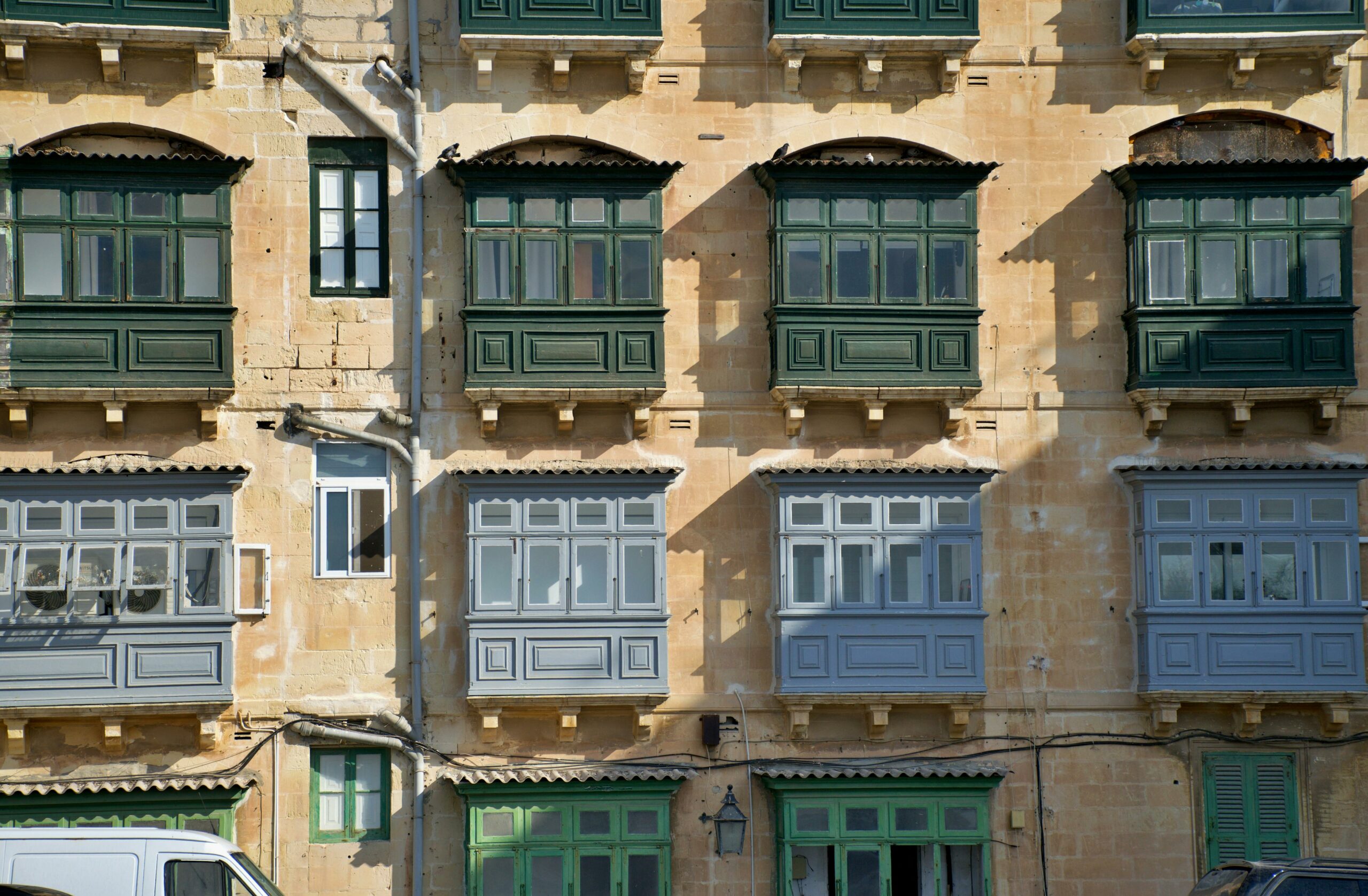
Malta’s houses of character represent a unique and highly sought-after segment of the market. Predominantly located in central and southern villages such as Naxxar, Rabat, Balzan, and Siggiewi, these properties are often centuries old and have been meticulously restored to combine traditional Maltese architectural features with modern amenities. Thick limestone walls, original wooden beams, stone arches, and internal courtyards are just a few of the hallmarks that make these homes distinctive.
From an investment perspective, houses of character are valued for their rarity, historical significance, and strong potential for capital appreciation. Their limited supply and unique features ensure enduring demand, particularly among high-net-worth individuals and discerning buyers seeking exclusivity and a connection to Malta’s cultural heritage. Many of these properties are converted into boutique residences or luxury guesthouses, offering additional revenue streams and aligning with the island’s thriving tourism sector.
Government incentives play a crucial role in supporting this segment. Buyers can benefit from substantial grants and VAT refunds for restoration works, especially in Urban Conservation Areas or for properties that have been vacant or are over twenty years old. These policies not only encourage the preservation of Malta’s architectural heritage but also enhance the long-term value proposition for investors.

Rental Investments: Reliable Returns in a Changing Market
The luxury apartment market in Malta has experienced rapid growth. New projects across the island set high standards for quality and amenities. These homes offer private pools, gardens, concierge services, and secure parking.
Special Designated Areas (SDAs) are a big draw for international buyers. They allow non-residents to buy property with few restrictions. Apartments in these areas have high occupancy rates and strong rental yields. Demand comes from expatriates, business travelers, and wealthy tourists. The mix of location, quality, and easy buying rules keeps this market strong and profitable.
Malta’s rental property market in 2025 is strong and steady. Demand comes from foreign workers, students, and tourists. Central areas, such as Sliema, St. Julian’s, and Gzira, are top choices for rental investments. Landlords enjoy steady income and low vacancy rates. The Northern Harbour region is the center of rental activity.
Foreign workers now make up over a quarter of Malta’s population. Many work in finance, iGaming, tech, and hospitality. There is high demand for modern, central apartments near work and amenities. This keeps occupancy rates high and rental yields stable.
Short-term rentals are also popular, thanks to tourism. In 2024, Malta had over 3.5 million tourist arrivals. This increased demand for holiday lets in top areas. Platforms like Airbnb help landlords earn more. Some properties can generate a substantial yearly income from short-term rentals, often more than traditional leases.
Gross rental yields in central areas are usually 5–7%. Yields are a bit lower after taxes and fees, but still attractive. Limited supply and higher building costs have made competition stronger, supporting both prices and yields.
Technology and Sustainability in Rentals
In 2025, smart home technology is playing a transformative role in Malta’s rental market. Tenants now expect properties to be equipped with features that enhance convenience, security, and energy efficiency. For example, many rental apartments and houses are fitted with remote-controlled thermostats that allow residents to adjust heating and cooling from their smartphones, ensuring optimal comfort while reducing energy consumption. Smart lighting systems are also common, automatically adjusting brightness and turning off when rooms are unoccupied, which helps to lower utility costs and support sustainable living.
Keyless smart locks have become a standard feature, allowing tenants to enter their homes without physical keys and to provide temporary access codes to guests or service providers. These locks often integrate with security cameras and alarm systems, all of which can be managed through a single mobile app. This integration not only improves safety but also offers peace of mind for both tenants and landlords.
Government incentives continue to encourage the adoption of energy-efficient technologies, especially in restoration projects and newly built developments. These initiatives support the broader shift toward sustainability in the rental sector, but they also highlight ongoing challenges related to affordability and the availability of long-term rental housing for Maltese residents.

Commercial Properties: Driving Malta’s Growth
Malta’s commercial property market is changing fast in 2025. This matches the island’s economic growth and new industries. Modern office buildings in Sliema, St. Julian’s, and Gzira lead this change. They serve the needs of finance, iGaming, tech, and fintech firms. These business hubs offer flexible layouts, energy-saving designs, and great locations.
Retail and hospitality properties offer big opportunities, especially in restored historic areas like Valletta, St. Julian’s, and Sliema. Malta’s strong tourism sector boosts demand for boutique hotels, restaurants, and high-end shops. This has pushed up rents in prime areas by 5–9% over the past year. Valletta’s shops and hotels benefit from steady tourist numbers and a lively cultural calendar. Sliema and St. Julian’s have seen new luxury hotels and fine dining, making them more attractive to investors and visitors.
Malta’s stable laws support the market. The government has introduced new property rules and set up the Property Market Agency in 2025. This agency improves transparency and professionalism, giving investors more confidence. The 2025 budget also supports business growth, with incentives for sustainable development and modern facilities.
Sustainability and energy efficiency are now key in commercial real estate. New laws and market demand push for green buildings and energy-saving designs. Many new offices and shops now meet high environmental standards.
Looking ahead, Malta’s commercial property market is ready for more growth. Strong demand, ongoing investment, and a solid legal framework make it attractive for both local and foreign investors. Whether for offices, shops, or hotels, Malta’s commercial real estate offers great opportunities that match the island’s economic goals.

Conclusion: Malta’s Property Market – A Strategic Investment Destination
Malta’s property market in 2025 offers stability, growth, and diversity. Central hotspots, heritage homes, luxury apartments, and commercial properties give investors many choices. With rising property values, good tax benefits, and strong government support, Malta stands out as a top real estate destination in the Mediterranean. For those seeking both quick returns and long-term value, Malta’s property sector is a smart and strategic choice.