Sliema
Sliema, a bustling coastal town on the northeastern coast of Malta, has evolved from a quiet fishing village into one of the most sought-after locations on the island. Known for its picturesque promenade, upscale dining, and lively nightlife, Sliema offers a unique blend of history, modern amenities, and an appealing real estate market.
Historical Background
Sliema’s history dates back to the time of the Knights of St. John in the 16th century. Originally a quiet village, it was primarily used as a summer retreat for the wealthy residents of Valletta. The town’s name, “Sliema,” is derived from the Maltese word for “peace” or “comfort,” reflecting its early days as a tranquil haven. During the British colonisation of Malta in the 19th century, the town experienced significant growth, with the construction of elegant townhouses and Victorian-style buildings that still line its streets today.
The 20th century saw Sliema transform into a commercial and residential hub. The post-war era brought rapid urbanisation, with modern apartment complexes and commercial establishments replacing much of the older architecture. Despite this development, Sliema has managed to retain pockets of its historical charm, particularly in areas like The Strand, where period buildings coexist with modern structures.
Where Sliema Sits on the Island
Sliema falls within the Northern Harbour District, on Malta’s northeast coast. Because of its position directly across the water from the capital, most people describe it as part of the harbour area. It is one of the most densely populated towns on the island, and it is also one of the busiest commercial hubs in Malta.
Sliema borders Gżira and St Julian’s. As a result, you can walk along the seafront to both towns, reach Valletta by ferry in around fifteen minutes, and find the rest of the harbour region close by.
Sliema sits on a peninsula facing Valletta across Marsamxett Harbour, and it has grown from a small fishing village into one of Malta’s most sought-after addresses. Its long promenade, busy shopping streets and sea views draw residents, tenants and investors from across the world. So whether you want a seafront apartment, a strong rental market, or one of the island’s best SDA developments, Sliema deserves a serious look. Your next chapter starts here.
Schools in the Area
Sliema is well served by schools, both in the town and in neighbouring localities. Stella Maris College sits just next door in Gżira, while a wide range of church, state and independent schools can be found across Sliema, St Julian’s and Msida. So families here have plenty of choice, all within a short walk or drive.
Lifestyle in Sliema
Sliema offers a lifestyle built around the sea, the shops and the café scene. The town began as a small fishing community, centred on a chapel that served as a landmark for local fishermen. Its name comes from the Maltese word for “peace” or “comfort.” It developed rapidly during British rule, when wealthy families from Valletta began using it as a summer retreat.
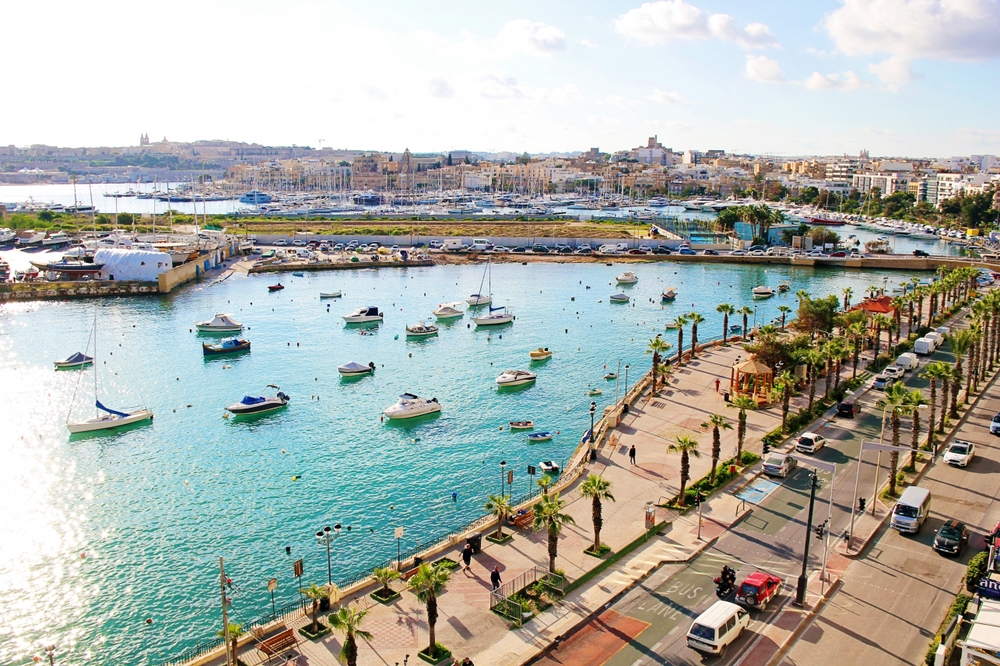
Today, the promenade is the heart of daily life. It stretches for several kilometres around the peninsula, from the Strand facing Valletta to the rocky shoreline along Tower Road. Locals swim from the rocks all year round, while runners, walkers and families fill the front each evening. Shopping is just as lively. The Plaza and the Bisazza Street area sit in the centre of town, while The Point, built on the former Tigné Barracks site, is one of the largest shopping malls in Malta.
Because of its location, its amenities and its rental demand, Sliema suits a very wide range of buyers. Property here ranges from traditional townhouses with painted balconies to modern apartments and luxury sea-view penthouses. The area is also well known for its mix of Maltese families, expats and professionals. However, high density, busy streets and limited parking are worth keeping in mind.
Feast Celebrations
Sliema’s main feast honours Our Lady Stella Maris, Our Lady Star of the Sea, and it is celebrated on the third Sunday of August. The titular statue, brought from Paris in 1891, is carried through the streets in a grand procession. The parish itself was established in 1878, having separated from Birkirkara. In addition, other Sliema parishes and societies hold their own feasts across July and August, giving the town a busy summer calendar.
Restaurants and Dining
Sliema’s dining scene is one of the busiest on the island. Restaurants and cafés line the promenade, with sea views and outdoor tables for much of the year. Tigné Point and The Point add further options, while the streets behind the front offer everything from quick bites to long dinners. As a result, residents rarely need to leave town for a good meal.
Grocery Shops and Everyday Amenities
Sliema is exceptionally well served for everyday shopping. The Plaza, The Point and the shops along Bisazza Street and Tower Road cover fashion, homeware and electronics. Meanwhile, supermarkets, bakeries, pharmacies and banks are spread throughout the town. So whether you need a quick top-up or a full weekly shop, almost everything is close to home.
Transport Links
Sliema is one of the best-connected towns on the island. Routes 13, 14, 15 and 16 link the area to Valletta, while further routes reach St Julian’s, Mosta and the rest of the island. In addition, the Sliema ferry crosses to Valletta in around fifteen minutes, which makes it a popular choice for commuters and visitors alike. Drivers should note that traffic and parking can be difficult, especially in summer.
Special Designated Areas (SDA)
Sliema is home to a strong concentration of Special Designated Areas, more than almost any other locality in Malta. Each carries full SDA status. This means non-EU buyers can purchase here without needing an AIP permit, and there is no limit on the number of properties they can own.
- Tigné Point: One of Malta’s first landmark SDAs, set on the eastern tip of the peninsula with views across to Valletta. The development includes the Q1, Q2 and Q3 residential towers and Fortress Gardens, alongside The Point shopping mall, cafés and landscaped public space.
- Fort Cambridge: A high-rise seafront development right beside Tigné Point, with sea views and the beach just yards away. It is the only SDA in Malta that is completely residential.
- Fortina Apartments: A further SDA development in Sliema, offering another route into the town for non-EU buyers.
- Sliema View Development: Listed among the recognised SDA developments in Sliema.
So for non-EU buyers, Sliema offers more SDA choice than almost anywhere else on the island. Each development has its own character, price range and amenities. Therefore, it is worth comparing them in person before deciding.
Nearby Beaches
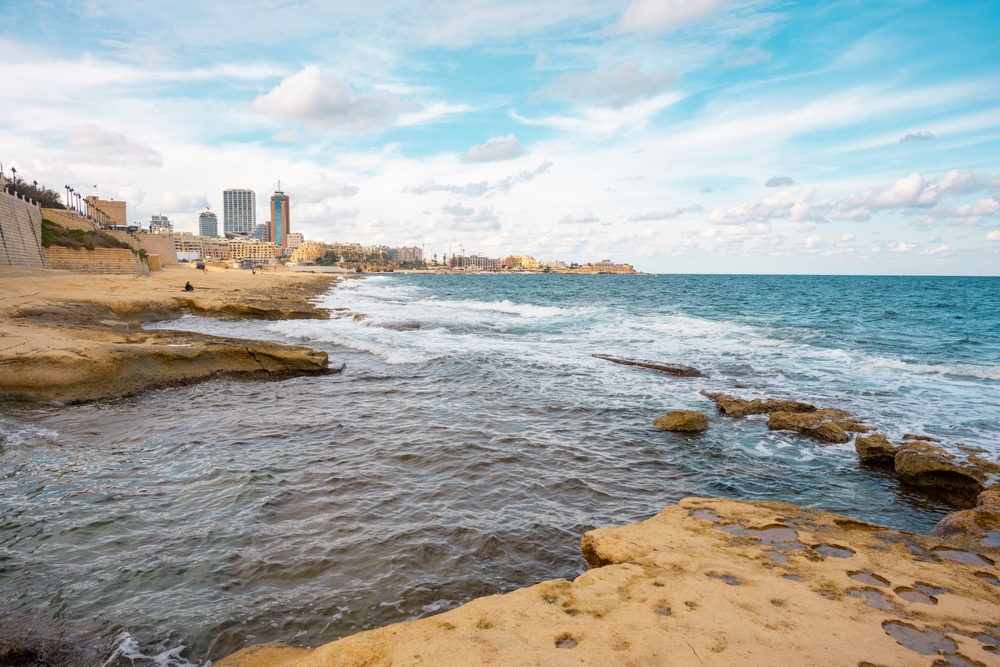
Sliema has no large sandy beach, but its rocky coastline is one of the most popular swimming spots in Malta. Lidos and flat rock platforms line the promenade, offering easy sea access from spring through autumn. For sandier options, the bays of St Julian’s sit just a short walk or drive along the coast. So a swim is never far from home in Sliema.
Nighlife and Entertainment
Sliema is renowned for its vibrant nightlife and entertainment scene. The town offers a plethora of bars, lounges, and restaurants that cater to both locals and tourists. Whether you’re in the mood for a quiet drink with a view of the Mediterranean Sea or a lively night out at one of the town’s popular nightclubs, it has something for everyone.
Why Choose Sliema
Sliema offers something rare on the island: seafront living, strong rental demand and a wide choice of SDA developments, all in one walkable town. Because of this, it continues to attract buyers, tenants and investors from Malta and abroad. Whether you are drawn to the promenade, The Point, or the SDA towers at Tigné Point, Sliema offers a genuinely vibrant home on Malta’s northeast coast.
The Sliema promenade, which stretches from Gżira to St. Julian’s, is a hotspot for evening strolls, with numerous cafés and ice cream parlors dotting the route. The area around The Point Shopping Mall, Malta’s largest retail complex, is particularly lively, with a mix of high-end and casual dining options.
BUY
Properties For Sale in Sliema
RENT
Properties For Rent in Sliema
Localities
Discover other Maltese localities
Take a deep dive and browse the Maltese localities and local insights to see if the homes for sale/rent are right for you.