Gzira
Gzira, a picturesque town on Malta’s northeastern coast, is a vibrant blend of historical charm and modern sophistication. Situated just a short distance from Valletta, the capital city, Gzira has evolved significantly over the years, transforming from a quaint fishing village into a bustling urban hub.
Historical Background
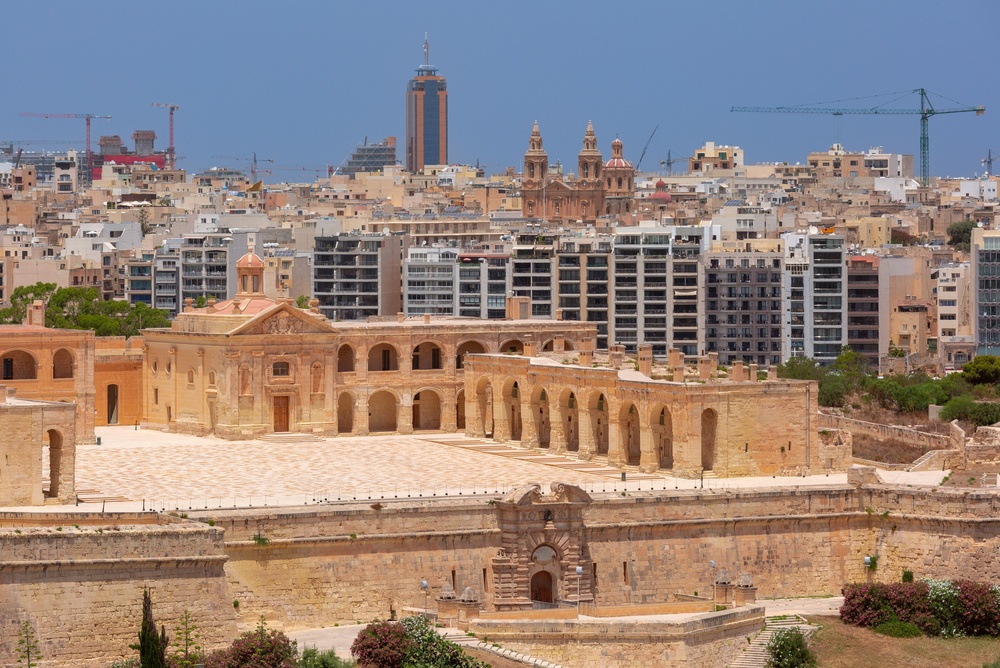
Gzira’s history dates back to the early 19th century when it was primarily known for its maritime activities. The area was once dominated by agricultural land and fishing, but its strategic location near the Grand Harbour made it a focal point for development during the British colonial period. The name “Gzira” means “island” in Maltese, referring to the nearby Manoel Island, which has played a significant role in the town’s history. The construction of various fortifications, including the iconic Fort Manoel, helped protect the area during periods of conflict.
The 20th century marked a period of rapid urbanisation and growth for Gzira. With Malta’s independence in 1964, the town continued to expand, developing from its historical roots into a vibrant residential and commercial area. Today, Gzira stands as a testament to its rich history while embracing contemporary advancements.
Where Gżira Sits on the Island
Gżira falls within the Northern Harbour District, in Malta’s Eastern Region. Because of its position on the coast between Msida and Sliema, most people describe it as part of the harbour area. It is also one of the most densely populated towns on the island, with just over 12,300 residents packed into just 1.5 square kilometres.
Gżira borders Msida, San Ġwann, Sliema, St Julian’s and Ta’ Xbiex. As a result, you can walk into Sliema, reach St Julian’s nightlife, or cross to Valletta within minutes.
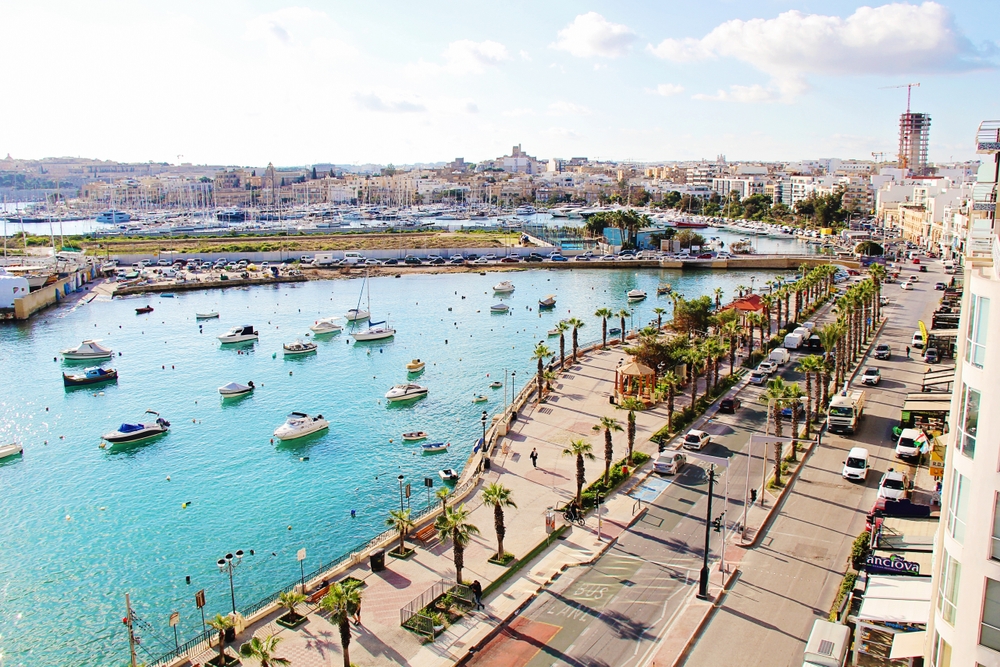
Gżira sits right on the water, facing Valletta across Marsamxett Harbour, and it has grown into one of Malta’s liveliest waterfront towns. Its long promenade, known as The Strand, faces the historic fortifications of Manoel Island, with yacht marinas, cafes and restaurants lining the shore. So whether you want harbour views, easy city access, or a genuinely diverse dining scene, Gżira deserves a serious look. Your next chapter starts here.
Schools in the Area
Gżira itself stays largely residential and commercial, with no major school directly in the town centre. Because it sits so close to Msida, home to the University of Malta, and San Ġwann, families and students alike have easy access to a wide range of educational options just a short walk or drive away.
Gzira propert
Lifestyle in Gzira
Gżira offers a lifestyle built around water, energy and genuine diversity. Its name simply means “island” in Maltese, a direct reference to Manoel Island, which lies just offshore and is part of the town’s territory. The island is home to Fort Manoel, an imposing star fort built in the 1720s by the Knights of St John, and the historic Lazzaretto, a former quarantine hospital with roots dating back to 1592.
Along the water, The Strand serves as Gżira’s main artery, a two-kilometre promenade lined with restaurants, cafes and hotels, running from Sliema all the way to Ta’ Xbiex. A public garden sits roughly halfway along, offering palm-shaded benches and a playground, while the town’s rocky shoreline near Manoel Island makes for genuinely good summer swimming and snorkelling. Beyond the seafront, Gżira has become a real hub for the iGaming and finance industries, and its streets carry a distinctly multicultural feel, with Korean restaurants sitting beside traditional pastizzi shops.
Because of its energy, harbour views, and more accessible prices compared to neighbouring Sliema and Valletta, Gżira suits a wide range of buyers, particularly professionals and international residents drawn to its central, cosmopolitan setting. Property here leans heavily towards modern apartments, many with sea or harbour views.
Feast Celebrations
Gżira’s patron feast honours Our Lady of Mount Carmel, and it takes place on the second Sunday of July. The parish church, known locally as tal-Ġebla, meaning “of the stone,” takes its nickname from a dramatic incident in 1902 involving a group of drunken sailors and a thrown stone that struck a portrait of the Madonna, a story still remembered by locals today. The celebrations bring processions, decorations and fireworks to the town each summer, drawing residents from across the harbour area.
Restaurants and Dining
Gżira’s dining scene is genuinely one of the most varied on the island, reflecting its multicultural community. Balance Bowl offers health-focused, plant-based food along The Strand, while Ali Baba serves up a popular Lebanese menu nearby. HiMù is a local favourite for pizza and burrata, Paparazzi offers family-friendly Italian classics near Manoel Island, and Maharaja serves Indian cuisine right on the seafront. In summer, restaurants along the water stay open until midnight, making Gżira a genuine destination for an evening out.
Grocery Shops and Everyday Amenities
Gżira covers everyday essentials exceptionally well, with small grocery stores tucked into residential streets alongside bakeries, pharmacies and banks along The Strand. Convenience stores such as MyConvenience Gżira stay open late into the night, while vegetable vendors set up stalls on street corners each morning. So for day-to-day living, Gżira genuinely has it covered.
Transport Links
Gżira sits within Malta’s core bus network, with routes 13 and 14 serving Manoel Island and the surrounding area directly. Its position between Sliema and Msida also means routes connecting to Valletta, St Julian’s and the rest of the harbour region pass through regularly. For drivers, Gżira’s central coastal position keeps journeys around the harbour area short, though as one of the busiest parts of the island, traffic can build during peak hours.
Special Designated Areas (SDA)
Gżira does not currently have a Special Designated Area. So if you are a non-EU buyer who specifically needs SDA status, which removes the standard property permit requirement, you may want to look at areas such as Portomaso or Tigné Point nearby instead. That said, Gżira remains fully open to EU buyers, and non-EU buyers can also purchase here through the standard Acquisition of Immovable Property (AIP) permit process. Either way, its waterfront setting and central position keep demand consistently strong.
Nearby Beaches
Gżira does not have a sandy beach of its own, but its rocky shoreline near Manoel Island offers genuinely good swimming and snorkelling from June to September, with the water reaching around three metres deep just ten metres from shore. For sandier options, Sliema’s rocky lidos and the beaches of St Julian’s are both just a short walk or drive away. So while Gżira trades sand for harbour views, a swim is never far from home.
Nightlife and Entertainment
Gżira’s nightlife is a lively affair, offering a diverse range of entertainment options that cater to various tastes. The town’s waterfront area, known for its picturesque views of the harbour and Valletta’s skyline, is a hotspot for social activities. The promenade is lined with a plethora of bars, cafes, and restaurants that come alive in the evenings, making it a favourite spot for both locals and visitors.
Among the popular venues is the “Gzira Marina,” where patrons can enjoy a cocktail while taking in the stunning views of the Mediterranean. The area also features a variety of international dining options, from Italian pizzerias to Asian fusion restaurants. For those seeking a more energetic experience, nearby nightlife hubs in St. Julian’s offer vibrant clubs and entertainment venues that are just a short drive away.
Why Choose Gżira
Gżira offers something genuinely distinctive on the island: real waterfront energy, a diverse international community, and unbeatable views across the harbour to Valletta. Because of this, it continues to attract buyers and tenants who want a lively, well-connected base without the price tag of Sliema or Valletta itself. Whether you are drawn to The Strand, Manoel Island, or simply its harbour views, Gżira offers a genuinely vibrant home on Malta’s coast.
BUY
Properties For Sale in Gzira
RENT
Properties For Rent in Gzira
Localities
Discover other Maltese localities
Take a deep dive and browse the Maltese localities and local insights to see if the homes for sale/rent are right for you.