Siggiewi
History
Siggiewi, a charming town in Malta, boasts a rich historical tapestry that dates back to ancient times. Its name, derived from the Arabic term “Sijj,” meaning “to judge,” hints at its historical significance. The town’s strategic location, situated in the southern part of Malta, has made it a crossroads of various civilizations. Over the centuries, Siggiewi has seen the influence of the Phoenicians, Romans, and Arabs, culminating in a strong Christian presence under the Normans and the Knights Hospitaller.
The historical fabric of Siggiewi is notably marked by its many churches, including the parish church of St. Nicholas, which showcases baroque architecture and intricate artwork. Additionally, the town features several historical sites like the Wignacourt Tower, an old watchtower constructed by Grand Master Wignacourt to defend against Ottoman attacks. These landmarks serve as a testament to Siggiewi’s rich past and its role in Malta’s history.
Where Siġġiewi Sits on the Island
Siġġiewi falls within the Western Region of Malta. Because of its position in the southwest, most people describe it simply as part of the South West. It is a genuinely substantial locality by area, the third largest in Malta after Rabat and Mellieħa, home to just under 9,700 residents, and its motto, Labore et Virtute, means “through hard work and virtue.”
Siġġiewi borders Mqabba, Qormi, Qrendi, Rabat, Żebbuġ and Żurrieq. As a result, you can reach Mdina, the Blue Grotto and the rest of the southwest all within a short drive.
Siġġiewi sits on a plateau in the southwest of Malta, just a few kilometres from Mdina, and it holds the genuinely rare distinction of carrying a Grandmaster’s own name. Known officially as Città Ferdinand, it combines a deep agricultural heritage with one of the island’s most celebrated village feasts. So whether you want real village character or easy access to some of Malta’s most striking natural scenery, Siġġiewi deserves a serious look. Your next chapter starts here.
Schools in the Area
Siġġiewi is home to a number of local schools serving its large, established population. Because it also borders Qormi, Żebbuġ and Rabat, families have further access to a wide range of church, state and independent schools just a short drive away.
Lifestyle in Siggiewi
Siġġiewi offers a lifestyle genuinely rooted in the land, even as the village has grown well beyond its agricultural origins. Established as a parish by at least 1436, and with Roman-era pottery found scattered across the surrounding countryside, the village’s history runs deep. On 30 December 1797, Grand Master Ferdinand von Hompesch formally elevated the village to the status of a city, naming it Città Ferdinand after himself, following a request from local residents, a genuinely unusual honour for what was then still a largely rural community.
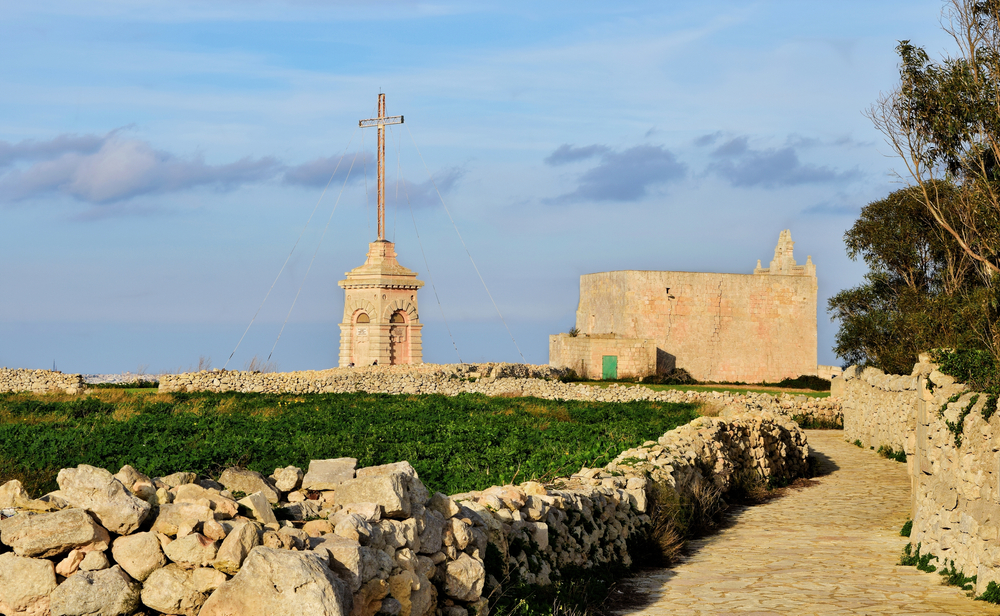
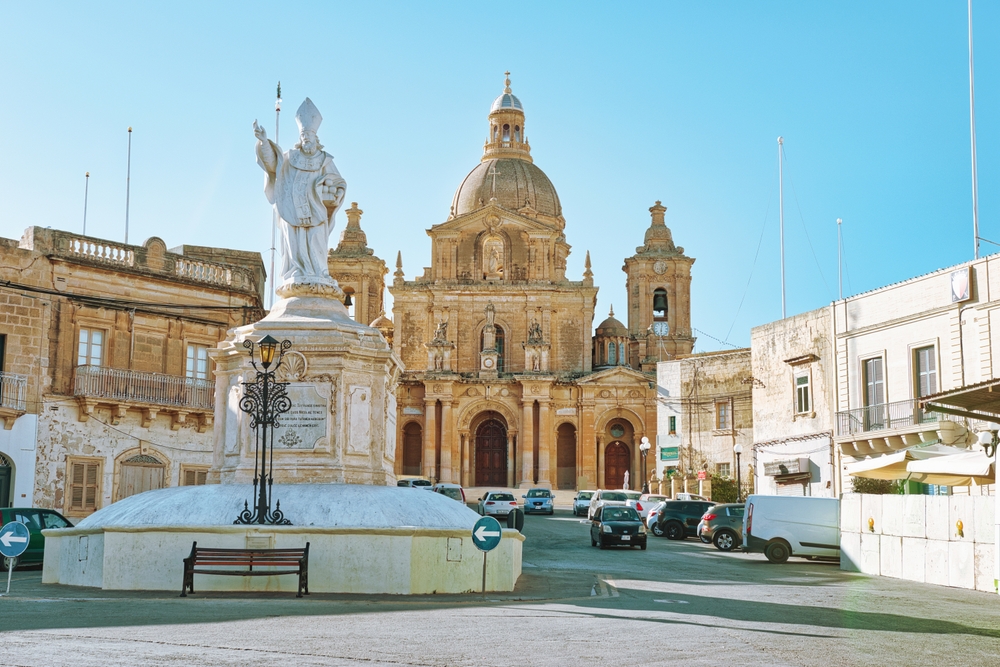
The village’s name origin remains genuinely uncertain, with some tracing it to the Sageyo family, once significant local landowners, and others pointing to Semitic roots meaning “prosperous” or “calm.” At its centre stands the Parish Church of St Nicholas of Bari, designed by celebrated Maltese architect Lorenzo Gafà and built between 1676 and 1693, funded entirely by the hardworking villagers themselves. Nearby, the ruins of the Old Church of Siġġiewi, the original parish church, still stand after extensive restoration, while the Malta Falconry Centre, just outside the village, adds a further point of interest.
Because of its space, its heritage and its proximity to some of Malta’s best natural scenery, Siġġiewi suits buyers who want real village character paired with genuine countryside access. Property here ranges from traditional townhouses within the historic core to farmhouses and more modern homes across the village’s wider footprint.
Feast Celebrations
Siġġiewi’s patron feast honours St Nicholas, and it is celebrated over four days, from Thursday through to the last Sunday of June, with band marches, aerial fireworks, Catherine wheels and richly decorated streets throughout. A quieter liturgical feast is also marked on 6 December, St Nicholas’s actual feast day, with Mass and a concert in the main square. Local tradition also recalls San Nikola tal-Ħobż, St Nicholas’s bread, once believed to give healing powers to water in which it was immersed, a genuinely distinctive piece of village folklore tied to the summer festa.
Restaurants and Dining
Siġġiewi’s dining scene benefits from its genuine proximity to the Blue Grotto, with restaurants such as Il Corsaro, La Cucina di Bettina by Bologna, Alka Mediterranean Restaurant and Blue Cave Bar and Restaurant all serving fresh seafood with sea views just a short drive from the village. Within Siġġiewi itself, a good mix of cafes and casual eateries serve residents day to day, offering a genuine taste of traditional Maltese snacks and drinks.
Grocery Shops and Everyday Amenities
Siġġiewi covers everyday basics through a selection of local shops within the village. For a fuller weekly shop, residents typically head into nearby Qormi or Żebbuġ, both offering a wider range of supermarkets and services just a short drive away.
Transport Links
Siġġiewi connects to the rest of the island by bus, with routes 62, 109 and 209 all serving stops in the village, and route 201 offering a genuinely scenic journey past Dingli Cliffs towards the Blue Grotto. For drivers, Siġġiewi’s position keeps journeys to Mdina, Rabat and the rest of the southwest comfortably short.
Special Designated Areas (SDA)
Siġġiewi does not currently have a Special Designated Area. So if you are a non-EU buyer who specifically needs SDA status, which removes the standard property permit requirement, you may want to look at areas such as Portomaso or Tigné Point instead. That said, Siġġiewi remains fully open to EU buyers, and non-EU buyers can also purchase here through the standard Acquisition of Immovable Property (AIP) permit process. Either way, its scale and countryside setting keep steady, long-term interest alive.
Nearby Beaches
Siġġiewi sits inland, but it is genuinely well placed for some of Malta’s most striking coastline. The Blue Grotto, a complex of seven sea caves facing the islet of Filfla, sits just a short drive away, while Għar Lapsi, known for its crystal-clear waters and rocky swimming spots, is equally close. So for anyone who wants dramatic natural scenery close to home, Siġġiewi is genuinely hard to match.
Nightlife in Siggiewi
While Siggiewi is more renowned for its historical and cultural heritage than its nightlife, it offers a more relaxed and traditional Maltese experience. The town’s nightlife primarily revolves around its cozy local bars and eateries, where residents and visitors can enjoy a laid-back evening. These venues often feature live music, providing an authentic Maltese ambiance.
The local nightlife is generally subdued compared to the bustling scenes in larger cities like Valletta or Sliema. However, Siggiewi’s charm lies in its peaceful atmosphere, making it an ideal spot for those seeking a quiet, enjoyable night out. For a more vibrant experience, residents often travel to nearby towns or cities.
Why Choose Siġġiewi
Siġġiewi offers something genuinely distinctive on the island: a historic city in its own right, named after a Grandmaster, paired with some of Malta’s most celebrated natural attractions right on its doorstep. Because of this, it continues to attract buyers who want scale, heritage and countryside access in equal measure. Whether you are drawn to its June festa, the Blue Grotto, or simply its village charm, Siġġiewi offers a genuinely rich home in the southwest of Malta.
BUY
Properties For Sale in Siggiewi
RENT
Properties For Rent in Siggiewi
Localities
Discover other Maltese localities
Take a deep dive and browse the Maltese localities and local insights to see if the homes for sale/rent are right for you.