Cospicua
Cospicua, also known as Bormla, is one of the historic Three Cities in southeastern Malta. Rich in history, it offers a unique blend of traditional Maltese charm and modern development. This article explores Cospicua’s history, nightlife, modern status, and property market.
History
Cospicua has a long and storied history, dating back to the time of the Phoenicians and later, the Romans. However, it rose to prominence during the Knights of St. John’s era. The city played a significant role during the Great Siege of 1565 and World War II due to its strategic location near the Grand Harbour.
Cospicua was heavily fortified, with the Knights building the Santa Margherita Lines and the Cottonera Lines to protect the area. Its maritime connections made it an essential hub for trade and naval activities. The Dockyard in Cospicua contributed to the economic growth of the area throughout the 19th and early 20th centuries, leading to population growth and urban development.
Where Cospicua Sits on the Island
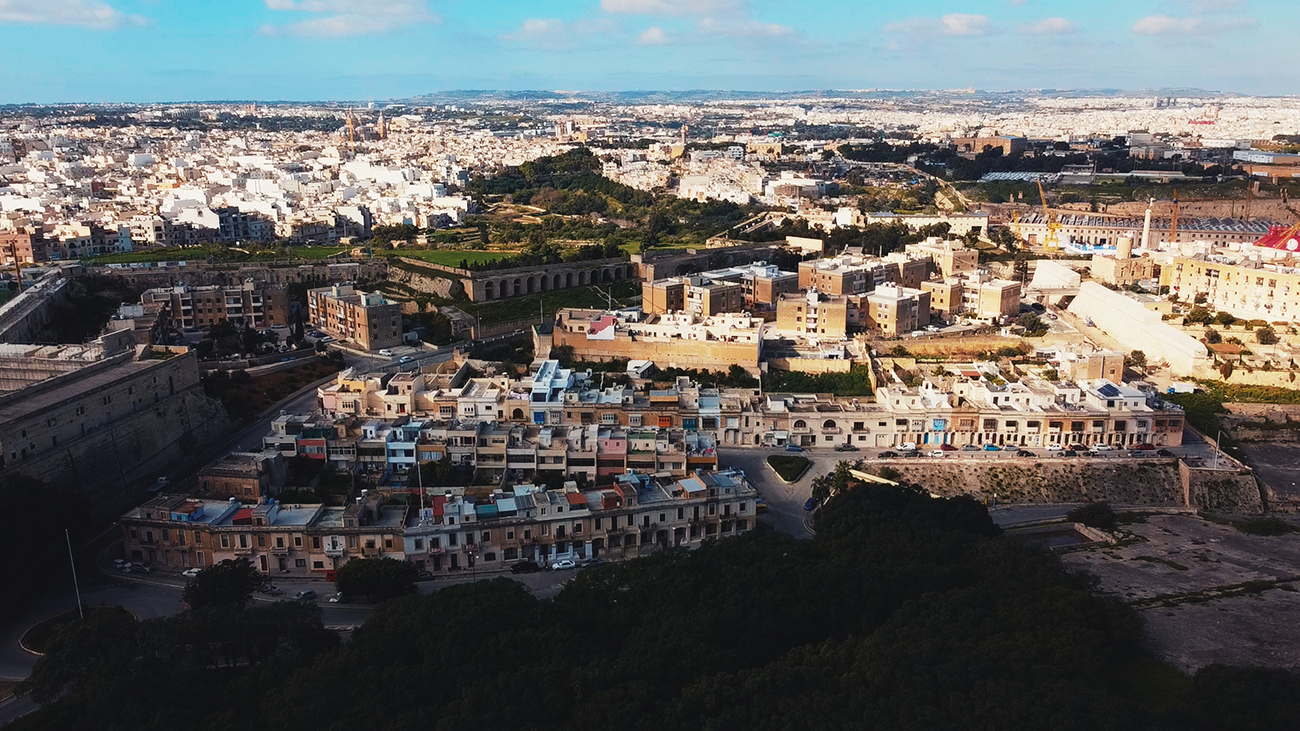
Cospicua falls within the Southern Harbour District, in the Port Region. Because of this, most people describe it as part of the Harbour area, directly across the water from Valletta. It is the largest of the Three Cities by land area, and it forms part of the Cottonera, the historic cluster of fortified towns built by the Knights of St John.
Cospicua borders Birgu, Fgura, Kalkara, Paola, Senglea and Żabbar. As a result, you can reach Valletta by ferry in minutes, and the rest of the southern harbour towns within a short walk or drive.
Cospicua, known locally as Bormla, is the largest of Malta’s famous Three Cities. It sits right on the Grand Harbour, wrapped in centuries of fortification and maritime history. So whether you want a characterful home behind the bastions or an easy ferry ride into Valletta, Cospicua offers a genuinely different way to live in Malta. Your next chapter starts here.
Grocery Shops and Everyday Amenities
Cospicua covers day-to-day essentials well, with a supermarket and local shops within walking distance of most homes in the town. For fresh produce, residents also head to the Sunday morning market in nearby Birgu Square, which offers seasonal fruit, vegetables and local honey. And for something further afield, Valletta’s covered market is just a short ferry ride away across the Grand Harbour.
Lifestyle in Cospicua
Cospicua offers a lifestyle rooted firmly in history, yet lived by a real, working community. Unlike Vittoriosa or Senglea, Cospicua sees far fewer tourists, which gives it a genuinely local feel. Neighbours still talk on their doorsteps, festa decorations still hang between balconies, and the streets still carry the weight of centuries of maritime life.
The town’s defining feature is the Cottonera Lines, a vast outer wall built by the Knights in the 1670s. These fortifications run for nearly four kilometres, enclosing much of Cospicua’s residential heart. Within them, you will also find the Bormla Bastion, offering sweeping views across the Grand Harbour, along with historic gates such as St Helen’s Gate and Verdala Gate.
Because of this heritage, Cospicua appeals strongly to buyers who want a home of character. Traditional townhouses sit close to the water and close to Dockyard Creek, once a vital British naval facility and still a defining part of the town’s skyline today.
Feast Celebrations
Cospicua’s patron feast honours the Immaculate Conception, and it falls every year on 8 December, a public holiday in Malta. During the celebrations, a statue of the Virgin Mary is carried through the streets, accompanied by brass bands, fireworks and illuminated buildings across the town. The original statue dates back to around 1680, carved by Suor Maria De Domenicis from the trunk of a carob tree.
Cospicua is also known for its Good Friday celebrations, a tradition that began in the eighteenth century and remains one of the most striking on the island. So between December and Easter, the town offers two very different, but equally powerful, sides of Maltese tradition.
Schools in the Area
Cospicua is home to Erin Serracino Inglott School, a state primary school named after the linguist and author, who was born in the town. Because Cospicua sits so close to Paola, Fgura and the rest of the Cottonera , families also have easy access to further school options nearby. So whether you are settling in Cospicua itself or nearby, schooling stays close and manageable.
Restaurants and Dining
Cospicua’s dining scene has grown steadily without matching Valletta’s prices. U Bormla is a local favourite for seafood, with fine views across the Grand Harbour, while The Fork and Spoon serves traditional Maltese dishes such as fenkata, the island’s classic rabbit stew. You will also find local bakeries serving pastizzi, and a handful of wine bars that stay open late on weekends. And for something more upmarket, the waterfront restaurants of neighbouring Vittoriosa sit just a short walk away.
Transport Links
Cospicua is well connected to the rest of the island by bus, with routes 1, 2, 3, 4 and 213 all running to and from Valletta in about 15 to 20 minutes. For a more scenic option, a traditional dgħajsa water taxi crosses the Grand Harbour in about five minutes, and a regular ferry service also links Cospicua directly to Valletta. For drivers, Cospicua’s position keeps journeys to the other southern harbour towns short and straightforward.
Special Designated Areas (SDA)
Cospicua does not currently have a Special Designated Area. So if you are a non-EU buyer who specifically needs SDA status, which removes the standard property permit requirement, you may want to look at areas such as Portomaso or Tigné Point instead. That said, Cospicua remains fully open to EU buyers, and non-EU buyers can also purchase here through the standard Acquisition of Immovable Property (AIP) permit process. Either way, its history and harbour setting keep genuine, long-term demand alive.
Nearby Beaches
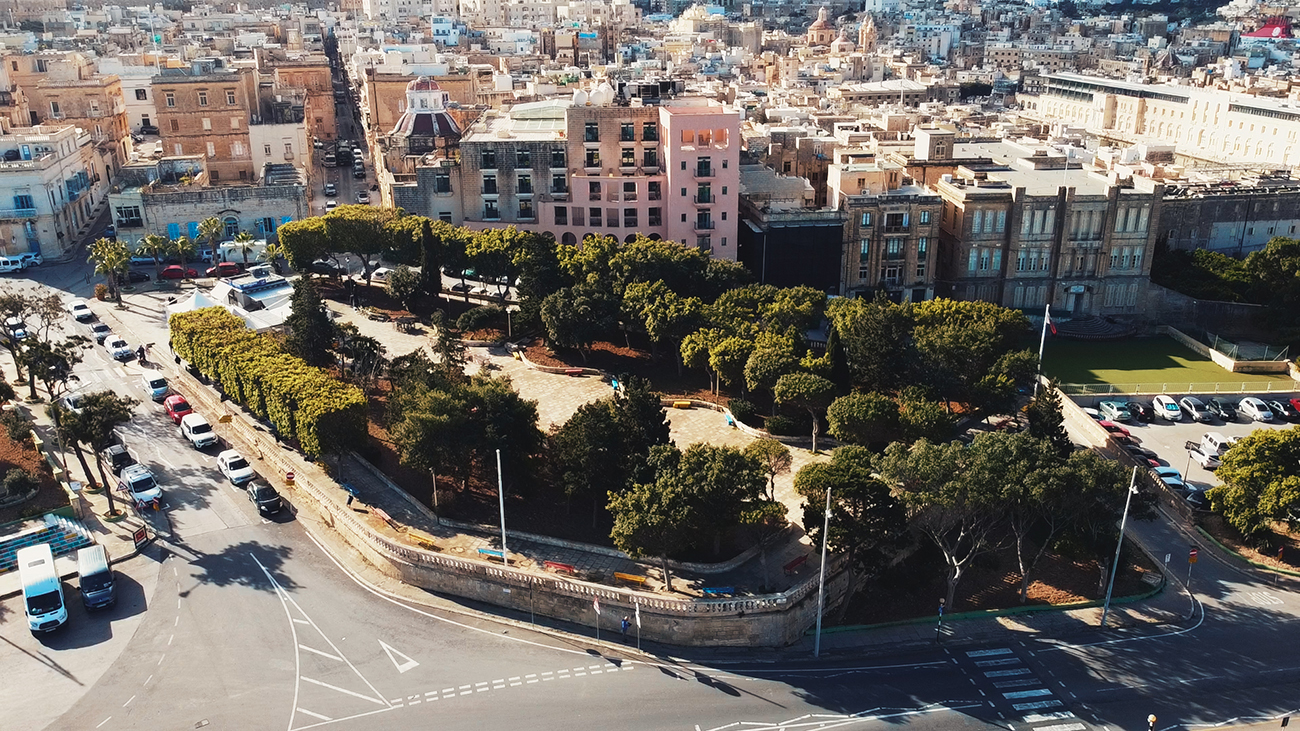
Cospicua sits directly on the Grand Harbour, so it has no sandy beach of its own. Even so, the rest of the island stays within easy reach. St Peter’s Pool, near Marsaxlokk, is a striking natural swimming spot about 20 minutes by car. Head further north, and the beaches and promenades of Sliema and St Julian’s are also within a comfortable drive. So while Cospicua itself stays firmly harbour-facing, a proper beach day is never far off.
Nightlife in Cospicua
While Cospicua is primarily known for its historical and cultural significance, it also offers a vibrant, if somewhat understated, nightlife scene. Over the past few years, the city has witnessed a revival in entertainment and leisure, as younger generations and tourists seek out unique spots away from the hustle of Valletta or St. Julian’s.
In the heart of the city, several traditional Maltese bars and modern establishments are thriving, offering everything from local wines and beers to artisanal cocktails. These establishments often host live music events, particularly jazz and folk performances, reflecting the area’s deep cultural roots.
The area around the Dockyard Creek has become a popular spot for dining and socialising, with a variety of restaurants offering Mediterranean cuisine and fresh seafood. Many visitors to Cospicua also enjoy a pleasant stroll along the marina, where the reflections of the ancient fortifications create a stunning backdrop for evening relaxation.
Although Cospicua is not known for the high-energy clubbing scene found in other Maltese cities, its nightlife appeals to those who prefer a laid-back, authentic experience steeped in local tradition.
Why Choose Cospicua
Cospicua offers something genuinely rare on the island: real, lived-in history, without the crowds that come with it elsewhere. Because of this, it continues to draw buyers who want authentic character, a strong sense of community, and a direct link to Valletta across the water. Whether you are drawn to its fortifications, its festas, or simply its quieter pace of harbour life, Cospicua offers a truly distinctive home in the heart of Malta’s Grand Harbour.
BUY
Properties For Sale in Cospicua
RENT
Properties For Rent in Cospicua
Localities
Discover other Maltese localities
Take a deep dive and browse the Maltese localities and local insights to see if the homes for sale/rent are right for you.