Paola
History of Paola
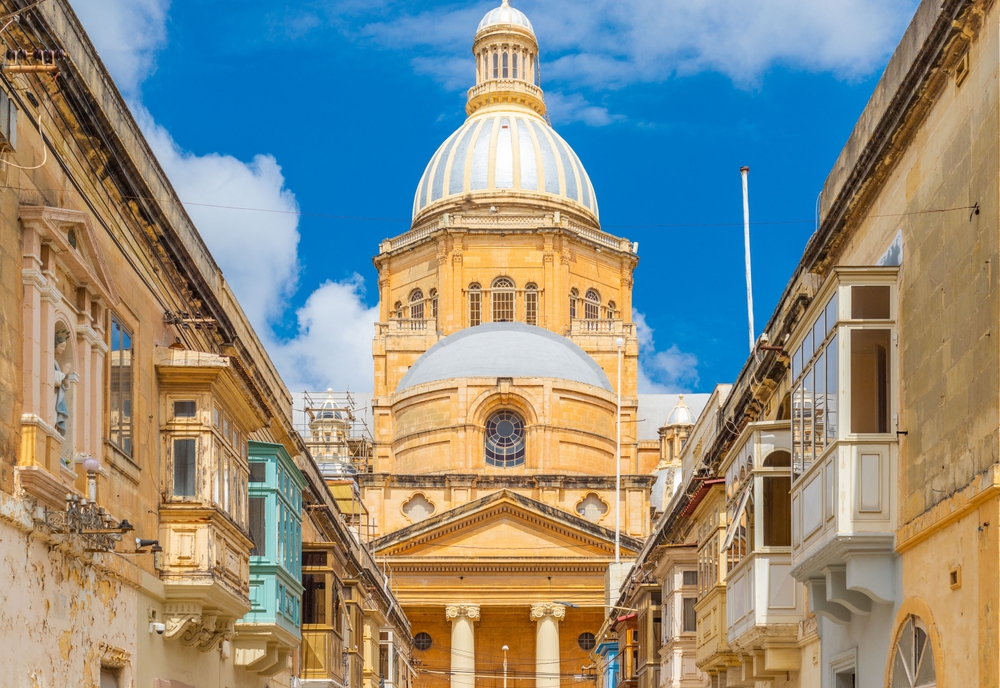
Paola was formally founded on 25 August 1630, when Grandmaster Fra Antoine de Paule laid the first foundation stone of a church dedicated to St Ubaldesca, giving the town his name, though locals have always called it Raħal Ġdid, meaning “new town.” As one of Malta’s few deliberately planned towns, Paola grew steadily from a small seventeenth-century settlement into a major commercial and religious hub, its growth reflected in the Basilica of Christ the King, built between 1924 and 1959 and still the largest church in the Maltese Islands. Yet long before Antoine de Paule’s town existed, this same land held the Ħal Saflieni Hypogeum, an underground complex in use as far back as 4000 BC and now a UNESCO World Heritage Site, meaning Paola carries the unusual distinction of being both a relatively young town and home to one of the oldest structures on Earth. Through the nineteenth and twentieth centuries, the town developed into the busy hub it is today, home to Malta’s largest cemetery, its only mosque, and one of the south’s key commercial centres.
Where Paola Sits on the Island
Paola falls within the Southern Harbour District, in Malta’s Port Region. Because of its position just outside the Three Cities, most people describe it as part of the harbour area. It is a genuinely densely populated town, home to just under 9,800 residents across 2.5 square kilometres, and it was founded in 1626 by Grandmaster Antoine de Paule, whose name the town still carries.
Paola borders Cospicua, Fgura, Luqa, Marsa, Santa Luċija and Tarxien. As a result, you can reach Valletta, the Three Cities and the rest of the south all within a short drive.
Paola sits just five kilometres from Valletta, and it has grown into one of the busiest commercial and residential hubs in the south of Malta. Known locally as Raħal Ġdid, meaning “new town,” it combines a genuinely central, practical location with one of the most extraordinary archaeological sites on the planet. So whether you want everyday convenience or a home close to real history, Paola deserves a serious look. Your next chapter starts here.
Schools in the Area
Paola is home to a number of local schools serving its dense, established population. Because it also borders Fgura, Tarxien and Santa Luċija, families have further access to a wide range of church, state and independent schools just a short drive away.
Lifestyle in Paola
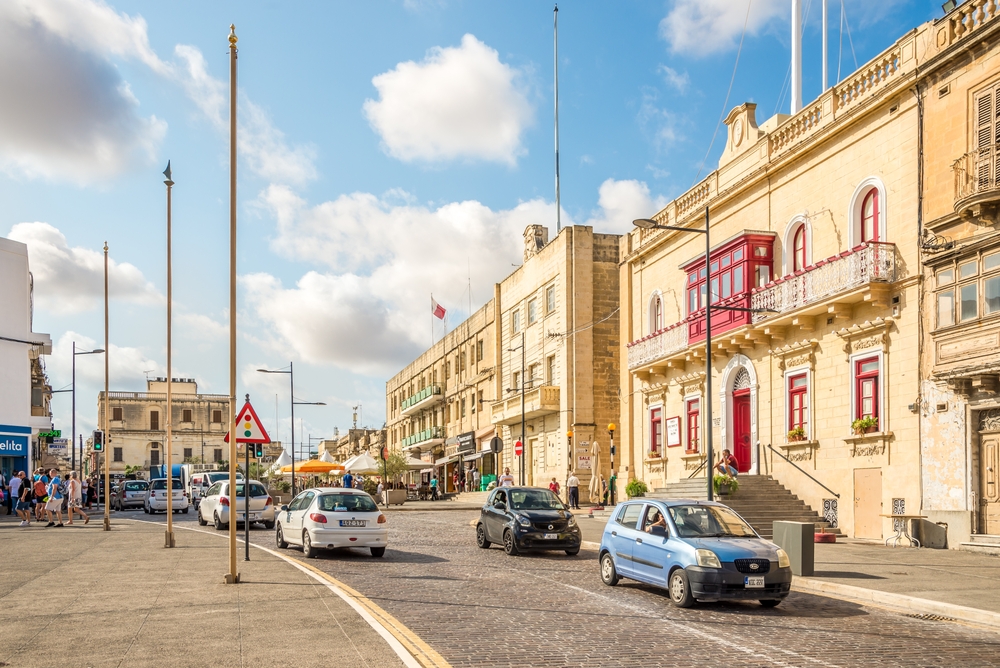
Paola offers a lifestyle built on genuine commercial energy, serving as the central hub for traffic and trade between the south and the rest of the island. Its busy town centre, anchored around Antoine de Paule Square, is lined with shops and services, making it one of the most practical bases anywhere in the south. Yet beneath this modern bustle lies something far older: the Ħal Saflieni Hypogeum, a UNESCO World Heritage Site carved from limestone roughly 11 metres below the surface, with its earliest chambers dating back to around 4000 BC.
Paola’s more recent history carries real weight too. The Basilica of Christ the King, completed in 1959, stands as the largest church anywhere in the Maltese Islands, while Corradino Hill is home to the Mariam Al-Batool Mosque, Malta’s only mosque, and its adjoining Islamic Cultural Centre. The town is also home to the Addolorata Cemetery, Malta’s largest burial ground, and to Hibernians FC, one of the island’s most successful football clubs, giving Paola a genuinely varied and layered identity for its size.
Because of its central position, its commercial energy and its practicality, Paola suits buyers who want an efficient, well-connected base in the south. Property here tends towards traditional townhouses within the busy town centre, reflecting its long-standing role as a working, residential hub.
Feast Celebrations
Paola holds two parishes and two feasts. The main celebration honours Christ the King on the last Sunday of July, centred on the town’s landmark basilica, while a second feast, Our Lady of Lourdes, falls on the first Sunday after 17 August. Paola is also well known across Malta for its Good Friday procession, a solemn and long-standing tradition that draws visitors from across the island each year.
Restaurants and Dining
Paola’s dining scene reflects its role as a busy commercial centre, with a genuine mix of cafes, bakeries and casual eateries clustered around Antoine de Paule Square and the surrounding streets. For a wider choice of evening dining, residents typically head into neighbouring Fgura, Tarxien or the Three Cities, all just a short drive away.
Grocery Shops and Everyday Amenities
Paola is exceptionally well served for everyday shopping, with a genuine concentration of shops and services around Antoine de Paule Square, reflecting its long-standing role as a commercial hub for the south. So whether you need a quick top-up or a full weekly shop, Paola keeps almost everything close to home.
Transport Links
Paola sits at a genuine crossroads of Malta’s bus network, thanks to its role as the central hub connecting the south to the rest of the island. Numerous routes pass through the town, linking it directly to Valletta, the airport and towns across the south, giving Paola some of the busiest, most convenient transport links anywhere in the region. For drivers, its position keeps journeys into Valletta and around the harbour region short and straightforward.
Special Designated Areas (SDA)
Paola does not currently have a Special Designated Area. So if you are a non-EU buyer who specifically needs SDA status, which removes the standard property permit requirement, you may want to look at areas such as Portomaso or Tigné Point instead. That said, Paola remains fully open to EU buyers, and non-EU buyers can also purchase here through the standard Acquisition of Immovable Property (AIP) permit process. Either way, its central position and commercial strength keep demand consistently strong.
Nearby Beaches
Paola sits inland, so it has no coastline of its own. Even so, the coast stays within easy reach. The Three Cities and the Grand Harbour waterfront are just a short drive away, while Marsaskala and its promenade, along with the beaches of the south, are also reachable within a comfortable journey. So a day by the sea fits easily into life in Paola, without ever feeling far off.
Nightlife
Paola is not typically known for its nightlife, as it primarily functions as a busy commercial and residential hub for the south of Malta rather than an evening destination. The town’s identity centres on its shops, its historic square, and its two parishes rather than bars or late-night venues, giving it a distinctly local, low-key character after dark. However, residents looking for a livelier evening are never far from one, with Paceville in St Julian’s, Malta’s main nightlife district, along with the wine bars and jazz nights of Valletta’s Strait Street, both just a short drive away.
Why Choose Paola
Paola offers something genuinely unmatched on the island: real everyday convenience, paired with direct access to one of the most significant archaeological sites in the world. Because of this, it continues to attract buyers who want practicality without giving up genuine historical depth. Whether you are drawn to the Hypogeum, the Basilica of Christ the King, or simply its central, well-connected position, Paola offers a genuinely practical home in the south of Malta.
BUY
Properties For Sale in Paola
RENT
Properties For Rent in Paola
Localities
Discover other Maltese localities
Take a deep dive and browse the Maltese localities and local insights to see if the homes for sale/rent are right for you.