Marsa
Marsa, a charming town located on the southeastern coast of Malta, offers a fascinating blend of rich history, dynamic nightlife, and a thriving property market. Known for its picturesque harbor and historic significance, Marsa has evolved significantly over the years, making it a compelling destination for both residents and investors.
History
Marsa’s history stretches back to antiquity, with archaeological evidence suggesting the area was inhabited since the Roman era. Its strategic coastal location made it a critical point of defense and trade throughout the centuries. During the Middle Ages, Marsa played a significant role in Malta’s maritime activities, primarily due to its proximity to the Grand Harbour.
The town saw substantial development under the Knights of St. John in the 16th and 17th centuries. They recognized its potential as a crucial logistical hub and invested in infrastructure that laid the foundation for Marsa’s future growth. The 19th and 20th centuries brought further changes, as Marsa became a key site for the island’s industrial and transport activities. The construction of the Marsa Racecourse in the 19th century added a new dimension to the town’s social life.
Where Marsa Sits on the Island
Marsa falls within the Southern Harbour District, in Malta’s Southern Region. Because of its position deep inside the Grand Harbour, most people describe it as part of the harbour area, right at the edge of Valletta. It is a small, densely populated town, home to just under 5,900 residents.
Marsa borders Floriana, Ħamrun, Luqa, Paola and Qormi. As a result, you can walk or drive into Valletta within minutes, and reach the rest of the harbour region and the south just as easily.
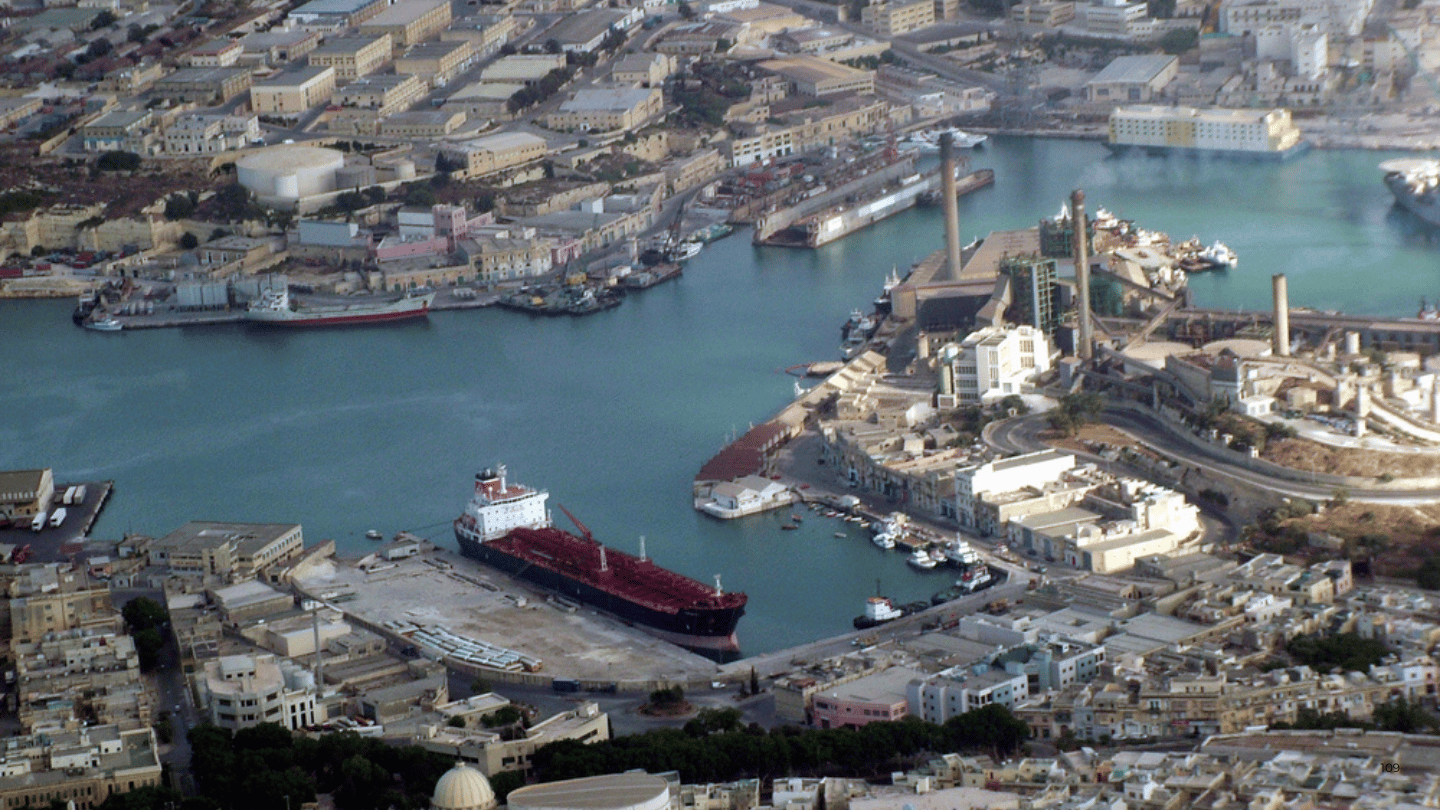
Marsa sits deep inside the Grand Harbour, just a couple of kilometres from Valletta, and it has been Malta’s working heart for centuries. Its name comes directly from the Arabic word for harbour, a fitting description for a town shaped almost entirely by the sea and the industry that grew up around it. So whether you want real proximity to the capital or a more affordable foothold in the harbour region, Marsa is worth serious consideration. Your next chapter starts here.
Schools in the Area
Marsa itself stays modest in size, with local schools serving the immediate community. Because it borders Ħamrun, Paola and Qormi, families also have easy access to a wider range of church, state and independent schools just a short drive away.
Lifestyle in Marsa
Marsa offers a lifestyle shaped, more than most Maltese towns, by industry and sport rather than tourism. A port was first established here by the Phoenicians, and Roman remains have also been found nearby, evidence of just how long this harbour has been in use. For centuries, the area formed part of neighbouring Qormi’s parish, only becoming independent in 1913, and the marshland that once surrounded the creek gave the town both its name and, until it was drained in the nineteenth century, a long-running battle with malaria.
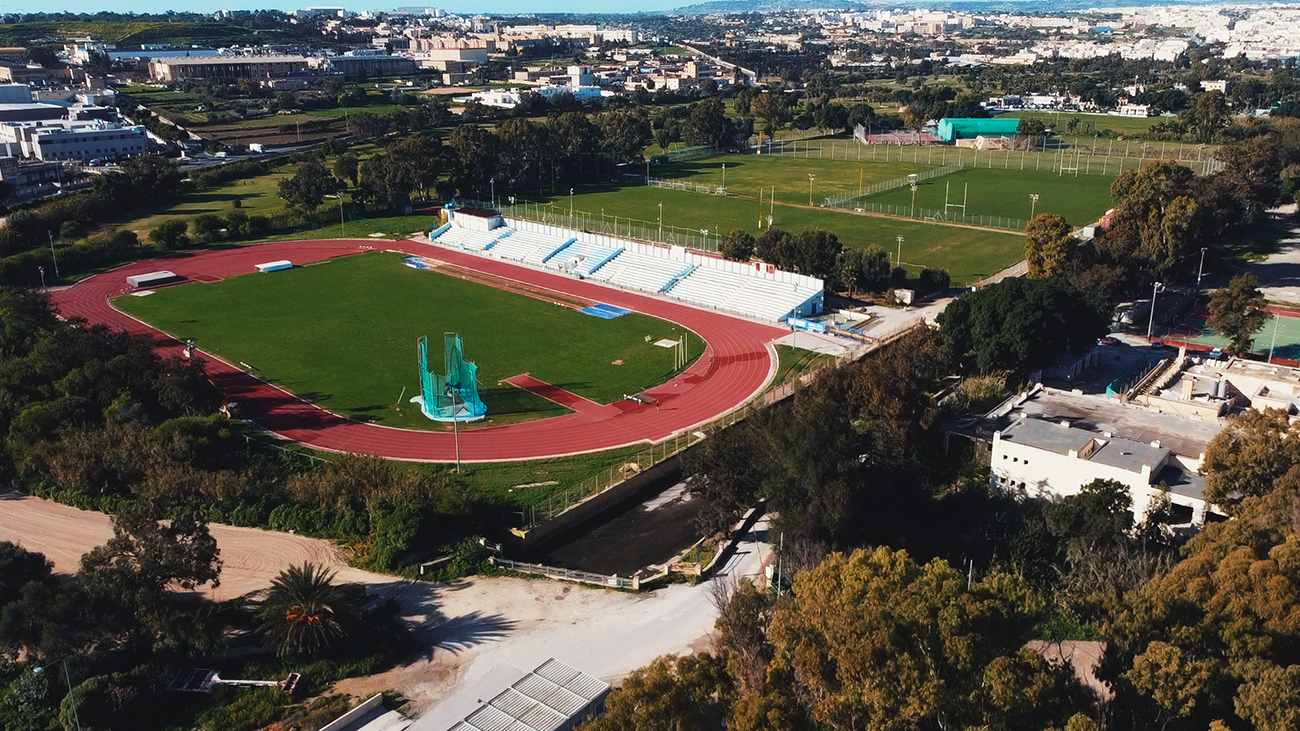
Today, Marsa is best known for the Marsa Racecourse, opened in 1869 and still Malta’s only horse-racing track, drawing steady crowds on race days. The wider Marsa Sports Complex, established during the British period, also carries a distinctly British sporting character, home to the Royal Malta Golf Club’s 18-hole course, along with facilities for tennis, cricket, rugby and athletics. The town’s industrial side runs just as deep, with Malta Shipyards and a large industrial estate still forming the backbone of the local economy, alongside MaltaPost’s head office.
Because of its closeness to Valletta and its more industrial character, Marsa tends to appeal to buyers prioritising practicality, affordability and easy access to the capital over a quiet residential setting. Property here tends towards more modest, traditional housing reflecting the town’s working-class roots.
Feast Celebrations
Marsa’s patron feast honours Maria Regina and the Holy Trinity, with celebrations held on the first Sunday of June and the last Sunday of August. The town also holds an annual Marsa Carnival, a community-driven celebration that showcases local traditions and neighbourhood spirit outside of Malta’s main carnival season.
Restaurants and Dining
Marsa’s dining scene is genuinely modest, reflecting its industrial and residential character rather than a tourist-facing one. A handful of local cafes, bakeries and family-run eateries serve the town day to day. For a proper night out or a wider choice of restaurants, residents typically head to Valletta or Paceville in St Julian’s, both of which are a short drive away.
Grocery Shops and Everyday Amenities
Marsa covers everyday essentials well, with local supermarkets, including branches of Lidl and Smart, as well as convenience stores and pharmacies serving the town. So for day-to-day shopping, residents have most of what they need close to home.
Transport Links
Marsa sits at a genuine crossroads of Malta’s bus network, thanks to its position beside Valletta. Its central location means routes connecting the capital to Luqa, Qormi, Paola, the airport and the University of Malta all pass through or near the town regularly. For drivers, Marsa’s position right beside Valletta keeps journeys into the capital and around the harbour region short and straightforward.
Special Designated Areas (SDA)
Marsa does not currently have a Special Designated Area. So if you are a non-EU buyer who specifically needs SDA status, which removes the standard property permit requirement, you may want to look at areas such as Portomaso or Tigné Point instead. That said, Marsa remains fully open to EU buyers, and non-EU buyers can also purchase here through the standard Acquisition of Immovable Property (AIP) permit process. Either way, its closeness to Valletta keeps genuine demand steady.
Nearby Beaches
Marsa sits deep inside the Grand Harbour, so it has no beach of its own. Even so, the coast stays within easy reach. Sliema and St Julian’s, both offering easy access to the sea, sit within a comfortable drive, while the beaches of the south, including Pretty Bay in Birżebbuġa, are also reachable within a reasonable journey. So while Marsa itself stays firmly industrial and harbour-facing, a proper beach day is never too far off.
Nightlife
Marsa keeps a low profile after dark, reflecting its identity as a working harbour and industrial town rather than a social hub. A handful of local bars serve the community, offering a relaxed spot for a drink among neighbours rather than anything resembling a proper night out. For livelier options, residents typically head to Paceville in St Julian’s, Malta’s main nightlife district, or into Valletta for a calmer evening among bars and restaurants, both just a short drive from Marsa. The town does come alive on race days at the Marsa Racecourse, where the buzz of the crowd, the betting, and the shared excitement create their own kind of evening energy, even if it’s not quite nightlife in the traditional sense.
Why Choose Marsa
Marsa offers something genuinely practical on the island: real proximity to Valletta, a working harbour heritage, and a level of affordability increasingly hard to find this close to the capital. Because of this, it continues to attract buyers who prioritise location and value above all else. Whether you are drawn to the Racecourse, its sporting facilities, or simply its closeness to Valletta, Marsa offers a genuinely practical home at the edge of Malta’s Grand Harbour.
BUY
Properties For Sale in Marsa
RENT
Properties For Rent in Marsa
Localities
Discover other Maltese localities
Take a deep dive and browse the Maltese localities and local insights to see if the homes for sale/rent are right for you.