Santa Lucija
History
Santa Luċija, a quaint town situated in the southern region of Malta, holds a rich and evolving history. The town was named after Saint Lucy, the patron saint of the blind, which aligns with the town’s commitment to serenity and peace. Although relatively modern by Maltese standards, Santa Luċija was formally recognized as a town in 1961, following Malta’s independence. Its development primarily began as a residential area, expanding from the adjacent town of Paola. Over the years, Santa Luċija has transformed from a small suburban locale into a flourishing residential hub known for its green spaces, particularly the Chinese Garden of Serenity, which has become a symbol of tranquillity.
Where Santa Luċija Sits on the Island
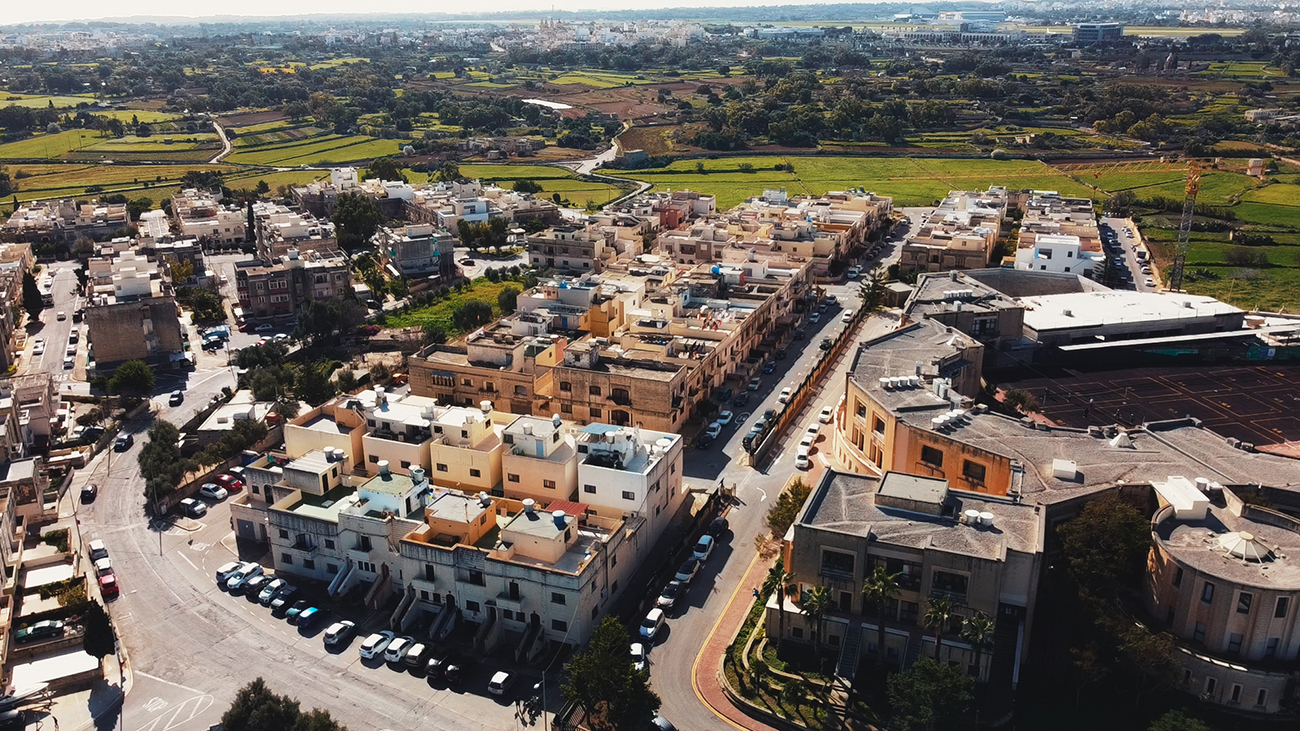
Santa Luċija falls within the Southern Harbour District, in Malta’s Southern Region. Because of its position just beside Paola and Luqa, most people describe it as part of the South. It is a genuinely small, compact village, home to around 2,700 residents across just 0.7 square kilometres, making it one of the most tightly planned localities on the island.
Santa Luċija borders Gudja, Għaxaq, Luqa, Paola, Tarxien and Żejtun. As a result, you can reach the airport, the Three Cities and the rest of the south all within a short drive.
Santa Luċija sits in the south of Malta, and it remains one of the island’s quietest and most deliberately peaceful residential villages. Purpose-built in the twentieth century to ease overcrowding in nearby Paola and Tarxien, it offers a genuinely calm, green setting that still feels like a world away from the busier towns right next door. So if you want tranquillity paired with real everyday practicality, Santa Luċija deserves a serious look. Your next chapter starts here.
Schools in the Area
Santa Luċija itself stays small and residential, with no major school directly in the village. Because it borders Paola, Tarxien and Luqa, families have easy access to a wide range of church, state and independent schools just a short drive away.
Lifestyle in Santa Lucija
Santa Luċija offers a lifestyle built around genuine calm, by design rather than by accident. Until the years following the Second World War, the area was little more than open fields. It was formally established as its own locality in 1961, taking shape as a planned residential solution for the growing populations of Paola and Tarxien, and taking its name from a small sixteenth-century wayside chapel built in 1535 on the Tarxien-Gudja road.
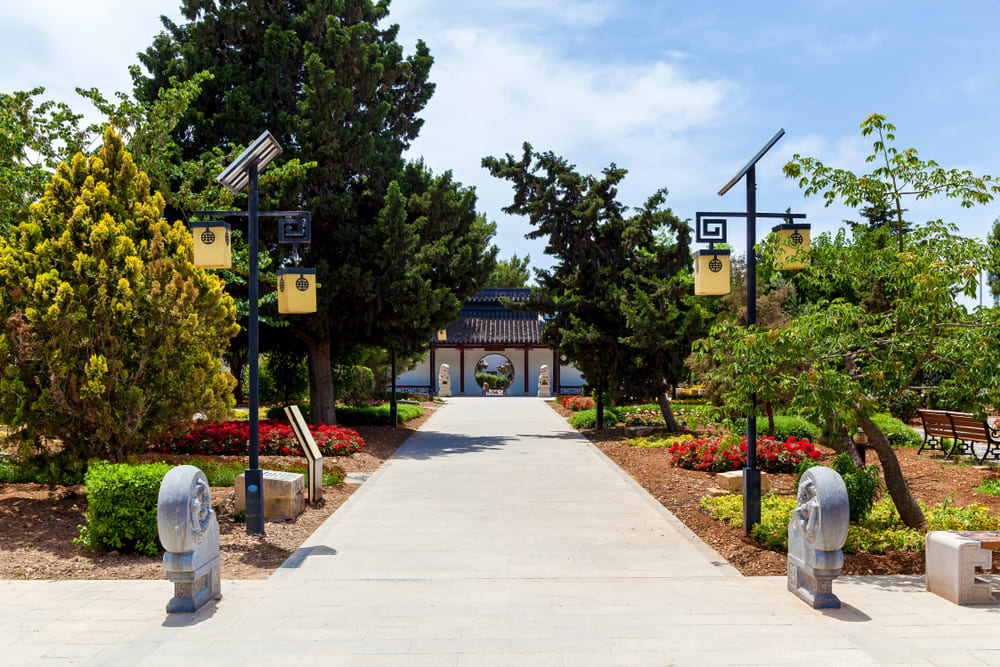
Today, Santa Luċija is best known for the Chinese Garden of Serenity, a beautifully landscaped traditional Chinese garden built in the 1990s and twinned with Suzhou’s Gusu District, one of the most distinctive and tranquil public spaces anywhere on the island. A hypogeum discovered in the area in 1973 adds an unexpected touch of prehistory to this otherwise modern village, while the Sphere of Life monument and a Votive Column representing fertility add further points of interest around the town.
Because of its calm, its green spaces and its proximity to Paola and the rest of the south, Santa Luċija suits buyers and tenants who want a genuinely peaceful, residential setting without moving far from everyday amenities. Property here tends towards modern townhouses and apartments, reflecting the village’s twentieth-century planning.
Feast Celebrations
Santa Luċija’s patron is Pope Pius X, to whom the parish church is dedicated, and feast celebrations are held in his honour each year. The village’s original chapel, dedicated to St Lucy herself, historically held its own feast on 13 December, with vespers and a High Mass celebrated by clergy from neighbouring Għaxaq, a tradition tied to the older chapel that gave the village its name.
Restaurants and Dining
Santa Luċija’s dining scene is modest but varied for a village its size. Patakkus offers pizza and Mediterranean dishes, while Maxims Pastizzeria serves the classic Maltese pastizz alongside other fast food favourites. The Green Bean Cafe and Panormus both offer a relaxed Italian and Mediterranean menu, and Traffic Lights Cafe adds a further casual option for coffee or a light bite. For a wider choice, neighbouring Paola and Tarxien sit just a short drive away.
Grocery Shops and Everyday Amenities
Santa Luċija covers everyday basics through a handful of local shops within the village. For a fuller weekly shop, residents typically head into nearby Paola, which offers a wider range of supermarkets and services just a short drive away.
Transport Links
Santa Luċija connects to the rest of the island by bus, with routes 80 and 83 both looping through the village on their way between Valletta, Marsa and Paola, and route 226 linking Santa Luċija to Mater Dei Hospital, the University of Malta and nearby Għaxaq and Gudja. Route 313 also serves the village. For drivers, Santa Luċija’s position keeps journeys to Paola, Luqa and the rest of the south comfortably short.
Special Designated Areas (SDA)
Santa Luċija does not currently have a Special Designated Area. So if you are a non-EU buyer who specifically needs SDA status, which removes the standard property permit requirement, you may want to look at areas such as Portomaso or Tigné Point instead. That said, Santa Luċija remains fully open to EU buyers, and non-EU buyers can also purchase here through the standard Acquisition of Immovable Property (AIP) permit process. Either way, its peaceful setting and proximity to the south’s amenities keep steady, long-term interest alive.
Nearby Beaches
Santa Luċija sits inland, so it has no coastline of its own. Even so, the coast stays within easy reach. Marsaskala and its long promenade sit just a short drive away, while Birżebbuġa’s sandy Pretty Bay and the natural pool of St Peter’s Pool near Marsaxlokk are also reachable within a comfortable journey. So a day by the sea fits easily into life in Santa Luċija, without ever feeling far off.
Nightlife in Santa Lucija
While Santa Luċija is not traditionally known for a bustling nightlife compared to other Maltese towns like St. Julian’s or Sliema, it offers a quiet, laid-back atmosphere that appeals to both locals and visitors seeking relaxation. The nightlife in Santa Luċija revolves around small, charming local bars and eateries where one can enjoy a leisurely evening out. These local spots often reflect the true Maltese character, offering traditional food and drinks.
For those who prefer a more vibrant scene, the nearby areas of Paola and Tarxien provide additional options with livelier pubs and music venues just a short drive away. This means residents and visitors of Santa Luċija can enjoy the best of both worlds – peaceful evenings at home with the option to venture out for more excitement nearby. The local community organizes occasional events and celebrations, particularly around village feasts and public holidays, when the town comes alive with food stalls, fireworks, and traditional music.
Why Choose Santa Luċija
Santa Luċija offers something genuinely rare on the island: a peaceful, purpose-built village with genuine green space, right in the middle of the south’s busier towns. Because of this, it continues to attract buyers and tenants who want calm and practicality in equal measure. Whether you are drawn to the Chinese Garden of Serenity, its quiet residential streets, or simply its closeness to Paola and the airport, Santa Luċija offers a genuinely tranquil home in the south of Malta.
BUY
Properties For Sale in Santa Lucija
RENT
Properties For Rent in Santa Lucija
Localities
Discover other Maltese localities
Take a deep dive and browse the Maltese localities and local insights to see if the homes for sale/rent are right for you.