Pieta
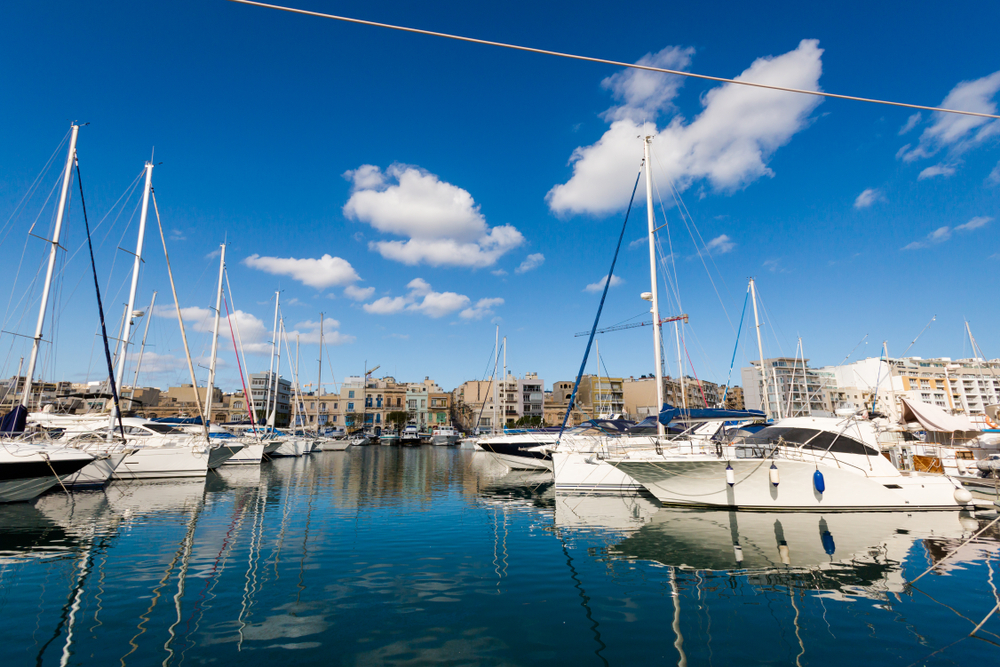
Pietà, a small seaside town on the shores of Marsamxett Harbour, is a place rich in history and quiet distinction, often overlooked despite sitting just a stone’s throw from Valletta. Its name, meaning “pity” or “mercy” in Italian, reflects a heritage tied closely to the town’s earliest chapel, and Pietà’s position right beside the capital has made it a genuinely practical, well-connected place to call home.
History
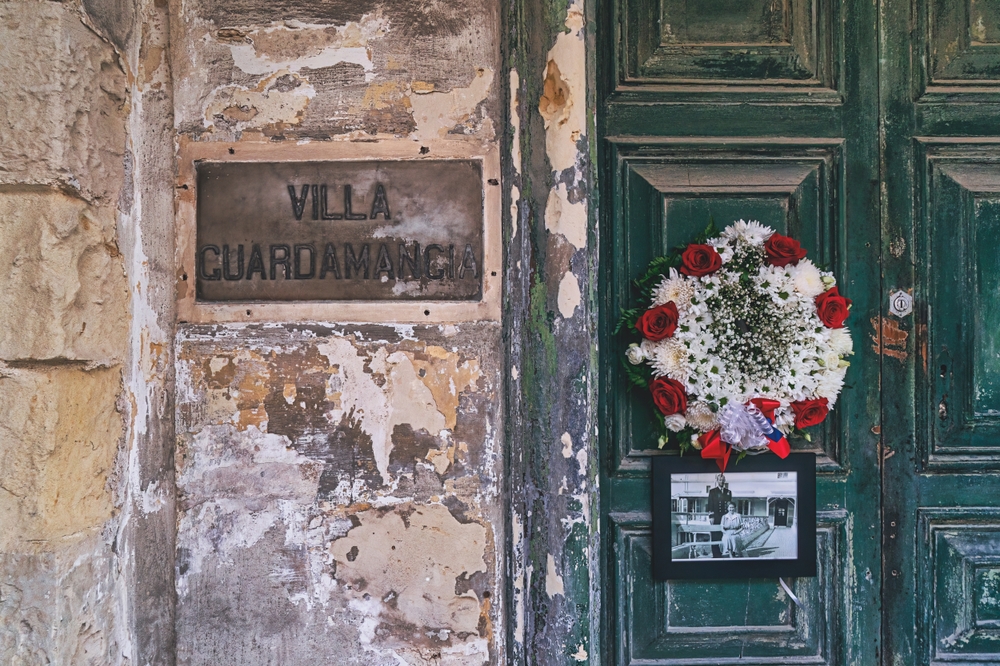
Pietà’s story begins with a chapel built in 1612, dedicated to Our Lady of Sorrows and established near an earlier plague cemetery, which gave the town its name. The settlement itself traces back even further, to the Great Siege of 1565, when Ottoman forces briefly camped on the very ground the town now occupies, with people settling in the area soon after. That original chapel grew into the Baroque Church of Our Lady of Sorrows by the mid-eighteenth century, and it remains active today. Pietà’s most remarkable chapter came in the twentieth century, when Princess Elizabeth, who would later become Queen Elizabeth II, lived at Villa Guardamangia here between 1949 and 1951, while Prince Philip was stationed nearby with the Royal Navy, giving this modest harbour town a genuinely unique place in royal history. St Luke’s Hospital, built in the 1930s, also served as Malta’s main public hospital for decades before Mater Dei Hospital in neighbouring Msida took over that role.
Where Pietà Sits on the Island
Pietà falls within the Northern Harbour District, in Malta’s Central Region. Because of its position right on Marsamxett Harbour, most people describe it as part of the harbour area, immediately next to Valletta. It is a genuinely small town, with a population that has grown steadily in recent years to just over 7,000 residents.
Pietà borders Floriana, Ħamrun, Msida and Valletta itself. As a result, you can walk straight into the capital, and reach the rest of the harbour region within minutes.
Pietà sits right on the shores of Marsamxett Harbour, just a stone’s throw from Valletta, and it carries a genuinely rare claim to fame: a future Queen of England once called it home. Behind this royal connection lies a quiet, close-knit seaside town, caught between its historic roots and its position at the centre of one of Malta’s busiest traffic corridors. So whether you want real proximity to the capital or a town with a genuinely unique story, Pietà deserves a serious look. Your next chapter starts here.
Schools in the Area
Pietà itself stays small and residential, with no major school directly in the town. Because it borders Ħamrun, Msida and Floriana, families have easy access to a wide range of church, state and independent schools just a short walk or drive away.
Lifestyle in Pietà
Pietà offers a lifestyle shaped by genuine history, despite its small size. The town’s name, meaning “pity” or “mercy” in Italian, comes from a chapel built in 1612 and dedicated to Our Lady of Sorrows, itself established near an earlier plague cemetery. That chapel later grew into the Baroque Church of Our Lady of Sorrows by the mid-eighteenth century, and it remains active in the town today. The area’s first real settlement dates back even further, to the Great Siege of 1565, when Ottoman forces briefly camped on the very ground Pietà now occupies.
Pietà’s most remarkable chapter, though, came centuries later. Princess Elizabeth, who would go on to become Queen Elizabeth II, lived at Villa Guardamangia in Pietà between 1949 and 1951, while her husband Prince Philip was stationed nearby with the Royal Navy, a genuinely unique piece of royal history tied to this small town. St Luke’s Hospital, a towering landmark built in the 1930s, also served as Malta’s main public hospital for decades before Mater Dei Hospital in neighbouring Msida took over that role.
Because of its closeness to Valletta, its history and its genuinely compact scale, Pietà suits buyers who want real proximity to the capital without the premium price tag of Sliema or Valletta itself. Property here tends towards traditional townhouses, reflecting the town’s long residential history.
Feast Celebrations
Pietà’s religious life centres on the Church of Our Lady of Sorrows, tracing back to the original 1612 chapel. As a relatively small and quieter parish compared to Malta’s larger festa towns, Pietà’s calendar reflects a more modest, community-focused tradition rather than the scale of the island’s biggest summer celebrations.
Restaurants and Dining
Pietà’s dining scene reflects its small, residential character, with a handful of local cafes and eateries serving the town day to day. For a wider choice, residents typically head into neighbouring Msida, Ħamrun or straight into Valletta, all just a short walk or drive away, for a fuller range of restaurants and evening dining options.
Grocery Shops and Everyday Amenities
Pietà covers everyday basics through a small selection of local shops within the town. For a fuller weekly shop, residents typically head into nearby Msida or Ħamrun, both offering a wider range of supermarkets and services just a short drive away.
Transport Links
Pietà sits right beside one of Malta’s busiest traffic corridors, with major roads connecting Valletta to Sliema, Birkirkara and the rest of the harbour region running directly through the town. This gives residents genuinely fast access to the capital and beyond, though it also means Pietà experiences a steady flow of through-traffic rather than the quiet of a more removed residential town. For drivers, the position right beside Valletta keeps journeys into the capital and around the harbour area short and straightforward.
Special Designated Areas (SDA)
Pietà does not currently have a Special Designated Area. So if you are a non-EU buyer who specifically needs SDA status, which removes the standard property permit requirement, you may want to look at areas such as Portomaso or Tigné Point instead. That said, Pietà remains fully open to EU buyers, and non-EU buyers can also purchase here through the standard Acquisition of Immovable Property (AIP) permit process. Either way, its closeness to Valletta keeps genuine demand steady.
Nearby Beaches
Pietà sits directly on Marsamxett Harbour, so it has no sandy beach of its own. Even so, the coast stays within easy reach. Sliema and its long seafront promenade are just a short drive away, offering easy access to the sea, while Gżira and St Julian’s add further options just beyond it. So while Pietà itself stays firmly harbour-facing, a proper beach day is never far off.
Nightlife
Pietà stays quiet after dark, true to its identity as a small, residential harbour town rather than an entertainment destination. There’s little in the way of bars or evening venues within the town itself, but its location works firmly in its favour: Valletta, with its elegant wine bars and lounges around Strait Street, sits just a short walk away, while Paceville, Malta’s main nightlife hub in St Julian’s, is only a short drive further along the coast. So while Pietà itself offers a calm, settled evening at home, a proper night out is never far from the doorstep.
Why Choose Pietà
Pietà offers something genuinely unique on the island: a small, historic harbour town with a real royal story at its heart, paired with an unbeatable position right beside Valletta. Because of this, it continues to attract buyers who want real proximity to the capital in a quieter, more affordable setting. Whether you are drawn to its history, Villa Guardamangia, or simply its closeness to Valletta, Pietà offers a genuinely distinctive home on Malta’s Marsamxett Harbour.
BUY
Properties For Sale in Pieta
RENT
Properties For Rent in Pieta
Localities
Discover other Maltese localities
Take a deep dive and browse the Maltese localities and local insights to see if the homes for sale/rent are right for you.