Senglea
Senglea, the smallest of Malta’s Three Cities, sits on a narrow peninsula jutting into the Grand Harbour and is known locally as L-Isla. Its name reflects a history of genuine defiance, earning the title Città Invicta, “The Unconquered City,” for its role in the Great Siege of 1565. Senglea’s position within the wider Cottonera, alongside its neighbours Birgu and Cospicua, has made it a genuinely compact, walkable place with real harbour character.
History
Senglea, known locally as L-Isla, was founded in the 1550s and named after Grand Master Claude de la Sengle, who ordered its fortification. The city played a decisive role during the Great Siege of 1565, holding firm against Ottoman attacks alongside neighbouring Birgu, an act of defiance that earned it the title Città Invicta, “The Unconquered City.” Senglea later developed under the Knights of St John into an important residential and maritime centre, with its fortifications and the Gardjola watchtower still standing today as a reminder of its storied past.
Where Senglea Sits on the Island
Senglea falls within the Southern Harbour District, in Malta’s South Eastern Region. Because of its position on the Grand Harbour, most people describe it as part of the Three Cities, alongside Birgu and Cospicua. It is a genuinely tiny locality, covering just over half a square mile, home to around 2,400 to 2,800 residents depending on the year, making it one of the most tightly packed communities on the island.
Senglea sits within the wider Cottonera area, connected directly to Cospicua and Birgu. As a result, despite its small footprint, you can reach Valletta by ferry in minutes, and the rest of the southern harbour towns within a short walk.
Senglea sits on a narrow peninsula jutting into the Grand Harbour, and it holds the distinction of being both Malta’s smallest locality by area and, after Sliema, its second most densely populated. Known locally as L-Isla, this fortified city earned the proud title Città Invicta, “The Unconquered City,” for its role in one of the most significant sieges in European history. So if you want real history and genuine harbour character packed into a compact, walkable setting, Senglea deserves a serious look. Your next chapter starts here.
Schools in the Area
Senglea itself stays small and densely residential, with no major school directly in the city. Because it borders the rest of the Cottonera, families have easy access to a wider range of church, state and independent schools in neighbouring Cospicua and Birgu, just a short walk away.
Senglea offers a lifestyle built on genuine pride and resilience, both deeply embedded in the city’s history. Founded in the 1550s and named after Grand Master Claude de la Sengle, who ordered its fortification, Senglea held off massive Ottoman attacks during the Great Siege of 1565 alongside neighbouring Birgu, an act of defiance that earned it the name Città Invicta. The city’s fortifications remain on Malta’s tentative list for UNESCO World Heritage status, a mark of just how significant this small peninsula really is.
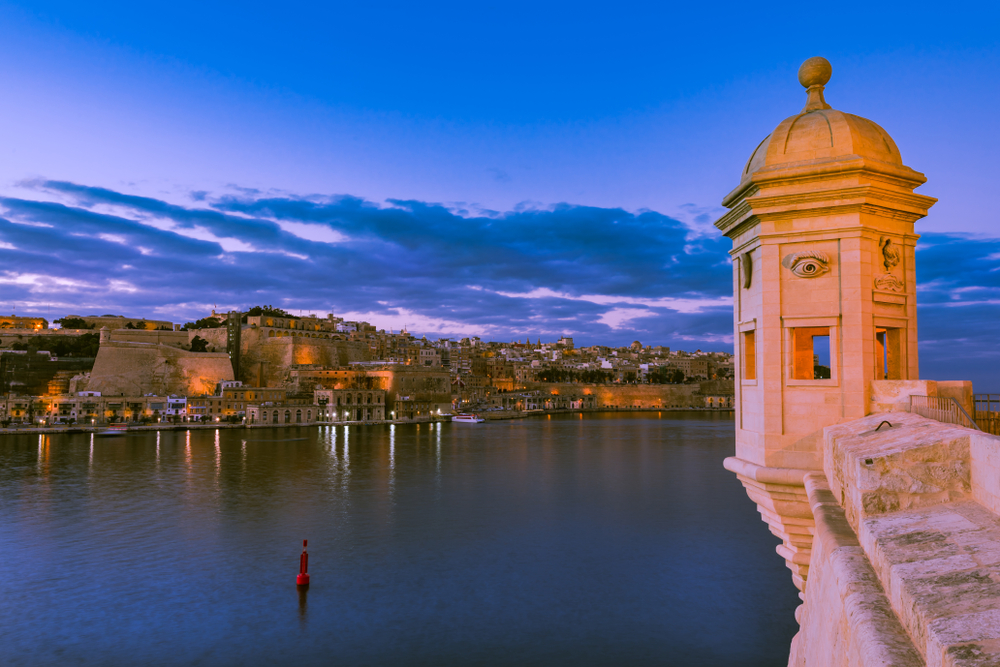
At the very tip of that peninsula sits the Gardjola Gardens, home to the Gardjola itself, a reconstructed watchtower decorated with carved eyes and ears, symbolising the city’s historic watchfulness over the harbour. The Basilica of the Nativity of Mary, also known as the Basilica of Our Lady of Victories, anchors the city’s spiritual life, home to a diary studied by University of Malta scholars documenting the era of the Knights, the French occupation, and the early years of British rule. Senglea suffered heavy bombing during the Second World War, a chapter of resilience that still shapes local memory today.
Because of its history, its genuine walkability and its position right on the Grand Harbour, Senglea suits buyers who want real character in a compact, close-knit setting. Property here tends towards traditional townhouses within the fortified core, reflecting the city’s long and storied past.
Feast Celebrations
Senglea’s patron feast honours Our Lady of Victories, known locally as Il-Madonna tal-Vitorja, and it falls on 8 September, the city’s biggest celebration of the year. The streets are lavishly decorated and lit with hundreds of lightbulbs, with fireworks, band marches and a grand procession carrying the statue of Our Lady, popularly known as Il-Bambina, through the city. Senglea also holds a Maritime Festival each May or June, celebrating the city’s deep connection to the sea, alongside Senglea Day and traditional Good Friday and Easter Sunday processions.
Restaurants and Dining
Senglea’s dining scene reflects its small, walkable scale, with a handful of local cafes and eateries serving the city day to day. For a wider choice, residents typically head into neighbouring Birgu, which offers a stronger concentration of waterfront restaurants and cafes, just a short walk along the harbour.
Grocery Shops and Everyday Amenities
Senglea covers everyday basics through a small selection of local shops within the city. For a fuller weekly shop, residents typically head into nearby Cospicua or Birgu, both offering a wider range of supermarkets and services just a short walk or drive away.
Transport Links
Senglea connects to the rest of the island by bus and ferry, with services linking the Three Cities directly to Valletta across the Grand Harbour. Within Senglea itself, walking remains the only way to properly explore its historic core, with the Gardjola Gardens and Basilica both easily reachable on foot from almost anywhere in the city. For drivers, Senglea’s position within the wider Cottonera keeps journeys to the rest of the southern harbour towns short.
Special Designated Areas (SDA)
Senglea does not currently have a Special Designated Area. So if you are a non-EU buyer who specifically needs SDA status, which removes the standard property permit requirement, you may want to look at areas such as Portomaso or Tigné Point instead. That said, Senglea remains fully open to EU buyers, and non-EU buyers can also purchase here through the standard Acquisition of Immovable Property (AIP) permit process. Either way, its history and harbour setting keep genuine, long-term demand alive.
Nearby Beaches
Senglea sits directly on the Grand Harbour, so it has no sandy beach of its own. Even so, the rest of the island stays within easy reach. St Peter’s Pool, near Marsaxlokk, offers a striking natural swimming spot within a reasonable drive, while the beaches and promenades of Sliema and St Julian’s are also reachable within a comfortable journey. So while Senglea itself stays firmly harbour-facing, a proper beach day is never too far off.
Nightlife
Senglea offers a relaxed, waterfront evening rather than a proper nightlife scene, keeping genuinely in character with the quiet, historic atmosphere of the Three Cities. Along Xatt Juan B. Azzopardo, the harbourfront promenade, a handful of bars and bistros such as Tar-rixu and Il-Pirata Senglea offer a calm drink with views across the water towards Birgu’s yacht marina, popular for a sunset stroll or a quiet evening out. For anything livelier, Valletta’s Strait Street, with its wine bars and live acoustic music, sits just a short ferry ride away, while Paceville in St Julian’s remains Malta’s main destination for proper clubbing. So while Senglea itself stays firmly on the tranquil side, a bigger night out is never far from home.
Why Choose Senglea
Senglea offers something genuinely rare on the island: an entire fortified city’s worth of history, packed into one of Malta’s smallest and most walkable settings. Because of this, it continues to attract buyers who want real character and a true sense of place. Whether you are drawn to the Gardjola Gardens, its unconquered history, or simply its tight-knit harbour community, Senglea offers a genuinely distinctive home on Malta’s Grand Harbour.
BUY
Properties For Sale in Senglea
RENT
Properties For Rent in Senglea
Localities
Discover other Maltese localities
Take a deep dive and browse the Maltese localities and local insights to see if the homes for sale/rent are right for you.