Zabbar
Zabbar, a picturesque town located in the Southern Region of Malta, is known for its rich history, vibrant community, and evolving modern landscape. This charming locale blends traditional Maltese culture with contemporary advancements, making it an intriguing destination for both residents and visitors.
History
Zabbar, a charming town in the southern part of Malta, boasts a rich historical heritage that reflects its strategic importance over centuries. Situated near the coast and with easy access to the capital city Valletta, Zabbar has played a significant role in Malta’s past. Originally known as “Zabbar” or “Zabbar” in Maltese, the town’s history dates back to the Phoenician era, though it gained prominence during the Medieval period. Zabbar became a pivotal location under the Knights of St. John, who fortified it to protect against pirate invasions and attacks.
The town’s historical narrative is deeply intertwined with its religious heritage. The parish church of Our Lady of Graces, one of Malta’s oldest, was established in the 16th century and is a testament to the town’s longstanding religious significance. Over the years, Zabbar has witnessed various historical events, including the French and British occupations, each leaving a mark on its cultural and architectural landscape.
Where Żabbar Sits on the Island
Żabbar is situated in south-eastern Malta and falls within the Southern Harbour District. It is part of the South Eastern Region and is surrounded by several established localities, including Fgura, Kalkara, Xgħajra, Marsaskala and Żejtun.
The town’s position provides convenient access to both the Three Cities and Malta’s southern coastal areas. Its residential streets extend from the traditional village centre towards more recently developed neighbourhoods, giving the locality a mixture of historic and modern surroundings.
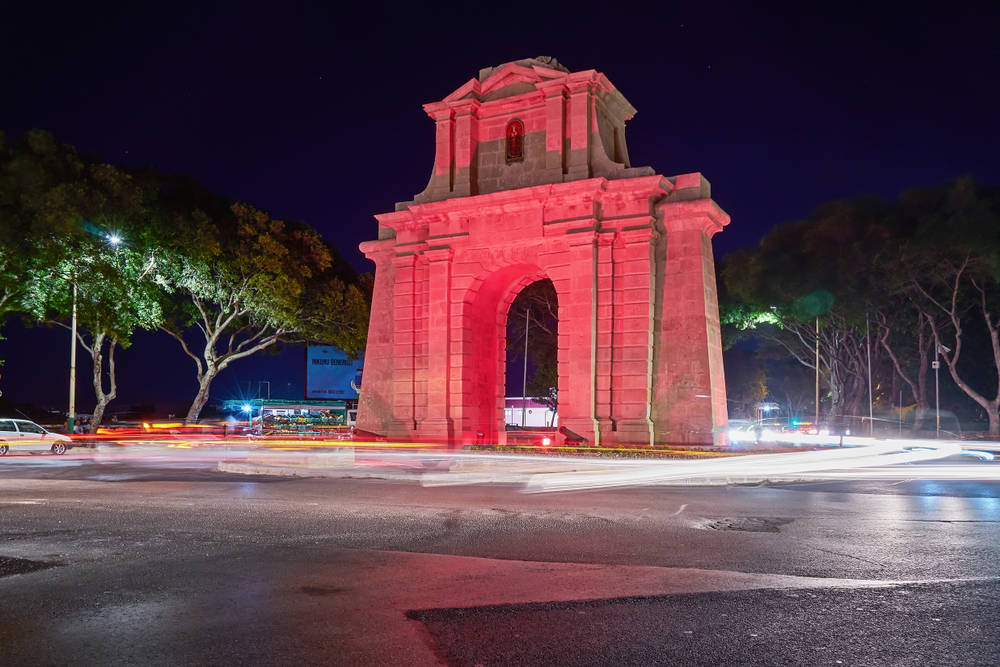
Żabbar has a particularly interesting place in Maltese history. On 14 September 1797, Grand Master Ferdinand von Hompesch granted the locality city status, naming it Graziosa Città Hompesch. This distinction is commemorated by the impressive Hompesch Arch, which remains one of the town’s most recognisable landmarks.
Żabbar, officially known as Città Hompesch, is one of Malta’s oldest and largest towns, combining a rich historical background with the character of a traditional Maltese community. Situated in the south-eastern part of the island, it is particularly known for its impressive Sanctuary of Our Lady of Graces, historic streets and strong religious traditions. Its origins date back centuries, and its architectural landmarks reflect the important role it has played throughout Malta’s history.
Although Żabbar has developed into a sizeable residential town, it continues to retain its village identity through its local businesses, community organisations and annual celebrations. Its position close to Fgura, Xgħajra, Kalkara and Marsaskala also makes it a convenient location for everyday living. Whether you are looking for a traditional townhouse, a modern apartment or a family home in an established residential community, Żabbar is certainly worth discovering. Your next chapter starts here.
Schools in the Area
Żabbar offers educational facilities within the locality, making it a convenient residential choice for families.
The town is home to two state primary schools forming part of St Margaret College: Żabbar Primary School A, located in Vulcan Street, and Żabbar Primary School B, situated in School Street. Both provide primary education and serve the town’s growing residential community.
For secondary education, students attend St Margaret College’s Middle and Senior Schools in neighbouring Cospicua. Additional educational options are also available in Fgura, Żejtun and other surrounding localities.
Lifestyle in Zabbar
Żabbar offers a lifestyle rooted in tradition, community and everyday convenience. Its historic centre features narrow streets, traditional Maltese houses, small shops and religious landmarks, while its newer residential areas offer a mixture of maisonettes, apartments and terraced houses.
One of the town’s most significant landmarks is the Sanctuary of Our Lady of Graces, an impressive Baroque church that dominates the town centre. Originally established as a small chapel, it was transformed into the magnificent sanctuary that stands today, with construction beginning in 1641 under the direction of Maltese architect Tumas Dingli. Its elaborate façade, twin bell towers, impressive dome and richly decorated interior make it one of the locality’s most important architectural attractions.
The church is also home to the Sanctuary Museum, which houses religious artefacts, paintings, historical objects and votive offerings reflecting the town’s longstanding devotion to Our Lady of Graces.
Another important landmark is the Hompesch Arch, built to commemorate Żabbar’s elevation to city status in 1797. The triumphal arch stands along the main approach to the town and serves as a reminder of its historical identity.
For those who enjoy outdoor activities, Żabbar also benefits from its proximity to the countryside and the south-eastern coastline. Residents can enjoy walks around the surrounding rural areas or head towards the nearby coastal localities for a change of scenery.
From a property perspective, Żabbar offers a diverse residential market, including traditional townhouses, maisonettes, apartments, penthouses and larger family homes. Its established residential character and range of property styles make it an appealing option for buyers and tenants looking for a home in southern Malta.

Feast Celebrations
Żabbar is particularly famous for its annual feast in honour of Our Lady of Graces, celebrated on the Sunday following 8 September. It is one of the town’s most important religious and cultural occasions, attracting residents and visitors from across Malta.
The celebrations are known for their elaborate street decorations, illuminated church façade, band marches, fireworks and strong rivalry between the local band clubs. The Sanctuary of Our Lady of Graces forms the centrepiece of the festivities, with the surrounding streets transformed through traditional decorations and celebrations.
One of the most distinctive traditions associated with the feast is the annual bicycle and motorcycle pilgrimage in honour of Our Lady of Graces, who is regarded as the patroness of cyclists. Participants travel to Żabbar from different parts of Malta, making this a particularly recognisable feature of the town’s festa celebrations.
Restaurants and Dining
Żabbar offers a selection of local restaurants, cafés and eateries catering to everyday dining and casual get-togethers. Its traditional town centre provides a relaxed setting for residents looking for local establishments and familiar neighbourhood spots.
The main commercial streets around the Sanctuary and the town centre are home to various food outlets, cafés and small businesses. Residents can enjoy casual meals and local cuisine without having to travel far from home.
For a wider dining selection, neighbouring Fgura, Marsaskala and the Three Cities offer additional restaurants, including waterfront establishments and international dining options. This gives residents the flexibility to enjoy a quieter residential setting while remaining close to some of the south’s popular dining destinations.
Grocery Shops and Everyday Amenities
Żabbar offers a good range of everyday amenities, with supermarkets, grocery shops, pharmacies, bakeries, banks and other essential services spread throughout the town.
Its main commercial streets, particularly around Sanctuary Street and the surrounding central areas, serve as important shopping and service areas for both residents and people from neighbouring localities.
The town also benefits from community facilities, local council services, sports organisations and other amenities that contribute to its established residential character. For additional retail and shopping options, residents can easily visit Fgura, Paola and other nearby commercial centres.
Transport Links
Żabbar benefits from its position in south-eastern Malta, with road connections linking it to Valletta, Fgura, Paola, Marsaskala and the surrounding localities.
Public transport services provide connections to different parts of the island. Bus Route 90 connects Żabbar with Valletta through the central and southern harbour areas, while Routes 91, 92 and 93 continue towards Marsaskala. Route 94 also serves the wider area, connecting Valletta with Xgħajra through the southern harbour region.
For motorists, the town provides access to the main roads leading towards the central region and the south of Malta. However, traffic can build up during peak commuting hours, particularly along the main roads connecting Żabbar with Fgura, Paola and Marsaskala.
Special Designated Areas (SDA)
Żabbar does not currently have a recognised Special Designated Area within its boundaries. This is an important consideration for international buyers who are specifically looking to purchase property within an SDA.
Special Designated Areas allow foreign buyers, including non-EU nationals, to purchase property without the standard Acquisition of Immovable Property (AIP) permit requirements. They also provide greater flexibility when purchasing multiple properties, subject to the applicable regulations.
As Żabbar is not an SDA locality, non-EU nationals generally require an AIP permit before purchasing residential property there. EU citizens who have not completed five years of continuous residence in Malta may also require a permit when purchasing a secondary residence.
Nevertheless, Żabbar remains an interesting option for buyers seeking traditional Maltese residential property, particularly those who value its established community, historical character and convenient location in the south-eastern part of the island. Buyers should always confirm their individual eligibility and the applicable purchasing requirements with a notary before proceeding.
Nearby Beaches
Żabbar is primarily a residential town and does not have a sandy beach within its central area. However, its position in south-eastern Malta provides convenient access to several coastal destinations.
The nearby coastline towards Xgħajra offers rocky swimming areas and open Mediterranean views, while St Thomas Bay in Marsaskala is a popular option for those looking for a sandy shoreline and swimming opportunities.
Residents can also visit Rinella Bay in neighbouring Kalkara, which offers a small sandy beach and a more sheltered coastal setting. For those who enjoy coastal walks, the surrounding areas of Xgħajra and Marsaskala provide several opportunities to enjoy the seaside without travelling far from home.
Nightlife in Zabbar
While Zabbar is primarily known for its historical and cultural significance, it also offers a vibrant local nightlife. The town is home to a selection of bars and cafes where locals and visitors alike can unwind and socialize. Traditional Maltese establishments provide a cozy atmosphere, serving local delicacies and beverages. On weekends, the town’s lively social scene often features events, live music performances, and cultural festivals, which draw both residents and tourists. Although not as bustling as Malta’s larger cities, Zabbar’s nightlife is characterized by its friendly, community-focused environment.
Why Choose Żabbar
Żabbar offers a distinctive combination of Maltese heritage, community spirit and residential convenience. Its impressive Sanctuary of Our Lady of Graces, historic Hompesch Arch and traditional village centre give the town a strong identity, while its annual celebrations reflect the traditions that continue to bring the community together.
Beyond its historical appeal, Żabbar provides a practical residential setting, with schools, supermarkets, local businesses and convenient connections to neighbouring towns. Its proximity to Xgħajra, Marsaskala and the Three Cities also means that coastal attractions and additional amenities are never too far away.
Whether you are drawn to its traditional architecture, its strong community atmosphere or its convenient location in southern Malta, Żabbar offers a welcoming place to call home.
BUY
Properties For Sale in Zabbar
RENT
Properties For Rent in Zabbar
Localities
Discover other Maltese localities
Take a deep dive and browse the Maltese localities and local insights to see if the homes for sale/rent are right for you.