Qrendi
Located in the southern region of Malta, Qrendi is a charming village steeped in history and natural beauty. This picturesque locality, with a population of around 2,700, offers a tranquil setting filled with culture, tradition, and unique landscapes. Qrendi is not just a historic gem but also a village that has evolved over time, embracing modernity while preserving its rich heritage.
History
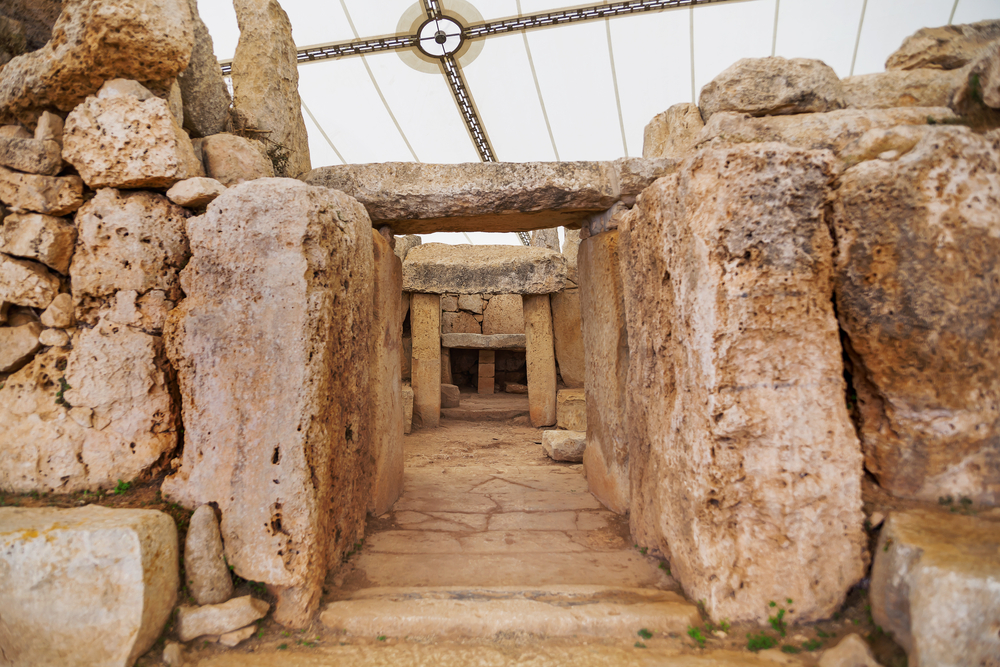
Qrendi’s history dates back to prehistoric times, evidenced by its proximity to some of Malta’s most significant megalithic temples, including Ħaġar Qim and Mnajdra, both UNESCO World Heritage Sites. The village’s roots are deeply embedded in the Neolithic period, and these temples serve as a testament to Malta’s early civilizations. During the medieval era, Qrendi was a small farming community and later played an essential role during the time of the Knights of St. John, contributing to Malta’s defenses during the Great Siege of 1565. The village has retained much of its historical architecture, including quaint chapels, narrow winding streets, and traditional limestone houses, which give visitors a glimpse into its past.
Where Qrendi Sits on the Island
Qrendi falls within the Southern Region of Malta. Because of its position close to Mqabba, Żurrieq and Siġġiewi, most people describe it simply as part of the South. It remains a genuinely small village, home to just over 3,300 residents, becoming an independent parish as recently as 1618.
Qrendi borders Mqabba, Siġġiewi and Żurrieq. As a result, while the village itself stays quiet and rural, the airport, Żurrieq, and the rest of the south remain within a short drive.
Qrendi sits in the south of Malta, and it remains one of the most genuinely under-the-radar villages on the island, despite holding some of the most important prehistoric sites anywhere in the world. Its quiet streets and countryside setting mask a genuinely extraordinary concentration of history and natural wonder within its own boundaries. So if you want real tranquillity paired with unmatched historical significance, Qrendi deserves a serious look. Your next chapter starts here.
Schools in the Area
Qrendi itself stays small and residential, with no major school directly in the village. Because it borders Mqabba, Żurrieq and Siġġiewi, families have easy access to a wider range of church, state and independent schools just a short drive away.
Lifestyle in Qrendi
Feast Celebrations
Qrendi holds two feasts each year. The feast of Our Lady of Lourdes falls on the last Sunday of June or the first Sunday of July, while the main titular feast, the Assumption of Our Lady, known locally as Santa Marija, is celebrated on 15 August. This larger summer feast is genuinely one of the most important religious events in Malta, bringing fireworks, band marches and a lively street atmosphere to the village each year.
Restaurants and Dining
Qrendi’s dining scene benefits from its proximity to the Blue Grotto, with Alka Restaurant serving fresh Mediterranean seafood, fish, meat and pasta right near the water, including alfresco dining and set menu options. Aalto Restaurant & Bar adds a further option for international and casual dining within the village. For a wider choice, residents typically head into neighbouring Żurrieq or Siġġiewi, both just a short drive away.
Grocery Shops and Everyday Amenities
Qrendi covers everyday basics through a small selection of local shops within the village core. For a fuller weekly shop, residents typically head into nearby Żurrieq or Siġġiewi, both offering a wider range of supermarkets and services within a short drive.
Transport Links
Qrendi connects to the rest of the island by bus, with route 72 running directly between Valletta and Qrendi, and route 74 linking the village to the nearby Blue Grotto and Żurrieq roughly every 30 minutes. For drivers, Qrendi’s position keeps journeys to the airport, Żurrieq and the rest of the south comfortably short, while a bypass road has been built specifically to divert through-traffic away from the village centre, keeping its streets genuinely quiet.
Special Designated Areas (SDA)
Qrendi does not currently have a Special Designated Area. So if you are a non-EU buyer who specifically needs SDA status, which removes the standard property permit requirement, you may want to look at areas such as Portomaso or Tigné Point instead. That said, Qrendi remains fully open to EU buyers, and non-EU buyers can also purchase here through the standard Acquisition of Immovable Property (AIP) permit process. Either way, its unique setting and more affordable prices keep steady, long-term interest alive.
Nearby Beaches
Qrendi is genuinely well placed for the coast, home to the Blue Grotto, a striking sea cave and swimming spot renowned across the island for its clear, turquoise water. Nearby, Wied iż-Żurrieq offers a further scenic access point to the sea, while Għar Lapsi, known for its rocky swimming spots, is also within easy reach. So for anyone who wants real coastal beauty close to home, Qrendi is genuinely hard to match.
Nightlife in Qrendi
While Qrendi is primarily known for its peaceful atmosphere, the nightlife here, though understated, offers a cozy and intimate experience. Unlike the bustling nightlife hubs such as St. Julian’s or Sliema, Qrendi provides a more laid-back vibe, perfect for those seeking a quieter evening out. Locals and visitors alike often gather in the village squares, particularly around the Parish Church of the Assumption, enjoying a drink at local bars or eateries that offer authentic Maltese cuisine and beverages.
Although Qrendi doesn’t have an extensive clubbing scene, the village comes alive during the feast of the Assumption of Mary in August. This is one of the most important religious events in Malta, and the festa celebrations in Qrendi are known for their lively atmosphere, with fireworks, band marches, and street parties lighting up the village streets.
For those looking for more vibrant nightlife options, the nearby towns of Zurrieq and Żebbuġ are just a short drive away, offering a mix of bars, restaurants, and music venues.
Why Choose Qrendi
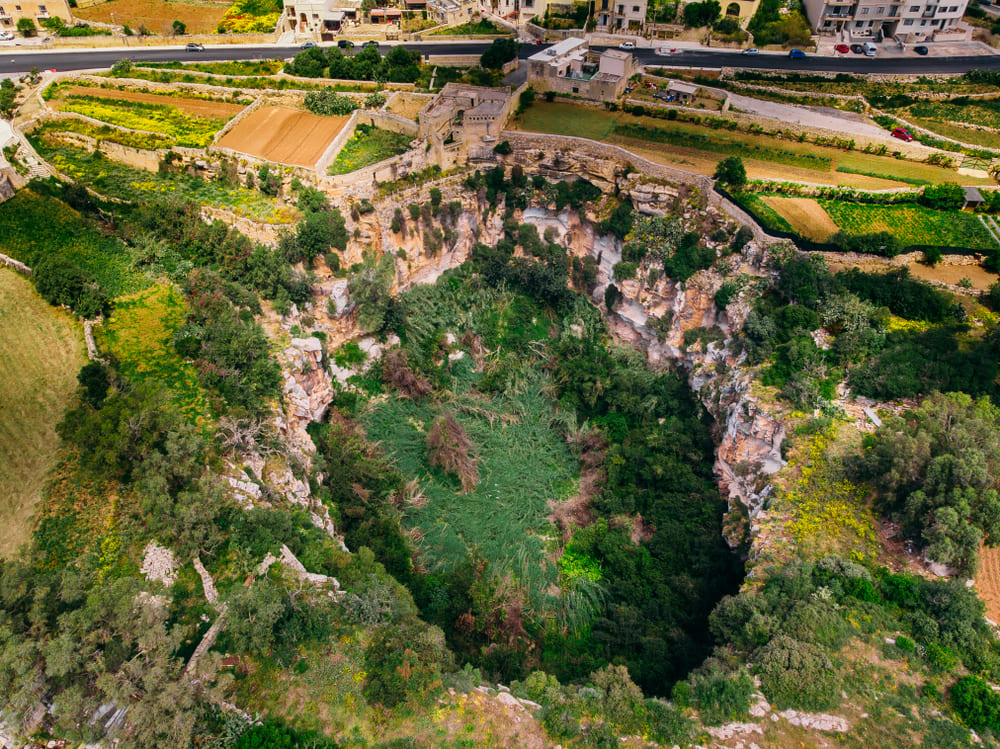
Qrendi offers something genuinely extraordinary on the island: ancient temples, a legendary sinkhole, and one of Malta’s most beautiful stretches of coastline, all within the same small, quiet village. Because of this, it continues to attract buyers who want authenticity, history and natural beauty in equal measure. Whether you are drawn to Ħaġar Qim, the Blue Grotto, or simply its tranquil village charm, Qrendi offers a genuinely unique home in the south of Malta.
BUY
Properties For Sale in Qrendi
RENT
Properties For Rent in Qrendi
Localities
Discover other Maltese localities
Take a deep dive and browse the Maltese localities and local insights to see if the homes for sale/rent are right for you.