Pembroke
History
Pembroke, a historic town located in Pembrokeshire, Wales, boasts a rich history that dates back to the medieval era. Founded in the early 12th century by Arnulf de Montgomery, Pembroke was strategically positioned to defend against Viking invasions. Its most notable historical feature is Pembroke Castle, a formidable fortress constructed by William Marshal, the Earl of Pembroke, in 1093. The castle played a pivotal role in Welsh history and was the birthplace of Henry VII, the founder of the Tudor dynasty. Over the centuries, Pembroke has evolved from a strategic military stronghold to a thriving market town, reflecting its enduring significance in Welsh history.
Where Pembroke Sits on the Island
Pembroke falls within the Eastern Region of Malta. Because of its coastal position just east of St Julian’s, most people describe it as part of the harbour and northern coastal area. It is Malta’s newest locality, only formally recognised by its own local council in 1993, and remains relatively small, with just under 3,900 residents.
Pembroke borders St Julian’s and its nightlife district, Paceville, directly to the east, with Swieqi and the wider northern harbour area close by. As a result, you can walk straight into Malta’s busiest entertainment district, while still returning to a genuinely quiet, residential street at home.
Pembroke sits on the coast just beside St Julian’s, and it holds the distinction of being Malta’s newest and most spacious modern town. Named after the Earl of Pembroke in 1859, it has grown from a military outpost into a genuinely residential, international community right on the edge of the island’s liveliest nightlife district. So whether you want quiet, modern living or proximity to international schools, Pembroke deserves a serious look. Your next chapter starts here.
Schools in the Area
Pembroke is home to Verdala International School, based within the historic Fort Pembroke and teaching the full International Baccalaureate continuum to students aged three to eighteen. This makes Pembroke a genuine draw for international families specifically seeking this kind of education, with the town’s quieter residential streets offering proximity to the school without the higher costs of Sliema or St Julian’s.
Lifestyle in Pembroke
Pembroke offers a lifestyle built on space and modern comfort, a genuine rarity in Malta’s densely packed harbour region. The area’s origins trace back to the Knights of St John, who built coastal towers here to defend the approach to the Grand Harbour, recognising Pembroke’s strategic position early on. The British later built on that legacy, constructing Fort Pembroke between 1875 and 1878 to defend the Victoria Lines, along with the nearby Pembroke Battery, before British forces finally left the area in 1979.
Today, that same fort houses Verdala International School, Malta’s oldest international school, founded in 1976 and now teaching students aged three to eighteen under the International Baccalaureate. This has helped shape Pembroke’s genuinely international character, with the surrounding streets attracting families and professionals from across the world. The town suffered damage during the Second World War, and a small chapel built by German prisoners of war during that period still stands as a quiet reminder of that history.
Because of its space, its modern housing stock and its closeness to St Julian’s, Pembroke suits a wide range of buyers, from international families prioritising schooling to professionals who want Paceville’s energy within walking distance, without living in the middle of it. Property here leans heavily towards modern apartments and townhouses, reflecting its mostly post-independence development.

Feast Celebrations
As Malta’s newest locality, Pembroke’s religious life developed gradually. The area was originally part of the pastoral area of Iklin before the Curia established a dedicated Pastoral Area for Pembroke on Palm Sunday 1998, recognising the growing needs of its expanding community. This gives Pembroke a genuinely modern religious identity, still developing its own traditions compared to Malta’s centuries-old parishes.
Restaurants and Dining
Pembroke’s dining options benefit enormously from its position right beside Paceville and St Julian’s. While the town itself stays largely residential, St George’s Mall and the wider St Julian’s seafront, both just a short walk away, bring a huge range of restaurants, cafes and bars within easy reach. So residents get the best of both worlds: a quiet home base with Malta’s most extensive dining scene right on the doorstep.
Grocery Shops and Everyday Amenities
Pembroke is well served for everyday essentials, with Greens Supermarket serving the local area directly. For a fuller range, the shops and services of neighbouring St Julian’s and Swieqi sit just a short walk or drive away.
Transport Links
Pembroke connects to the rest of the island by bus, with routes 14, X1, 103, 110 and 121 all serving stops in the area, including Pembroke Park & Ride, Cassino and Normandy. For drivers, Pembroke’s position right beside St Julian’s keeps journeys into Sliema, Valletta and the rest of the harbour region short and straightforward.
Special Designated Areas (SDA)
Pembroke does not currently have a Special Designated Area. So if you are a non-EU buyer who specifically needs SDA status, which removes the standard property permit requirement, you may want to look at areas such as Portomaso or Tigné Point nearby instead. That said, Pembroke remains fully open to EU buyers, and non-EU buyers can also purchase here through the standard Acquisition of Immovable Property (AIP) permit process. Either way, its space and international schooling keep demand consistently strong.
Nearby Beaches
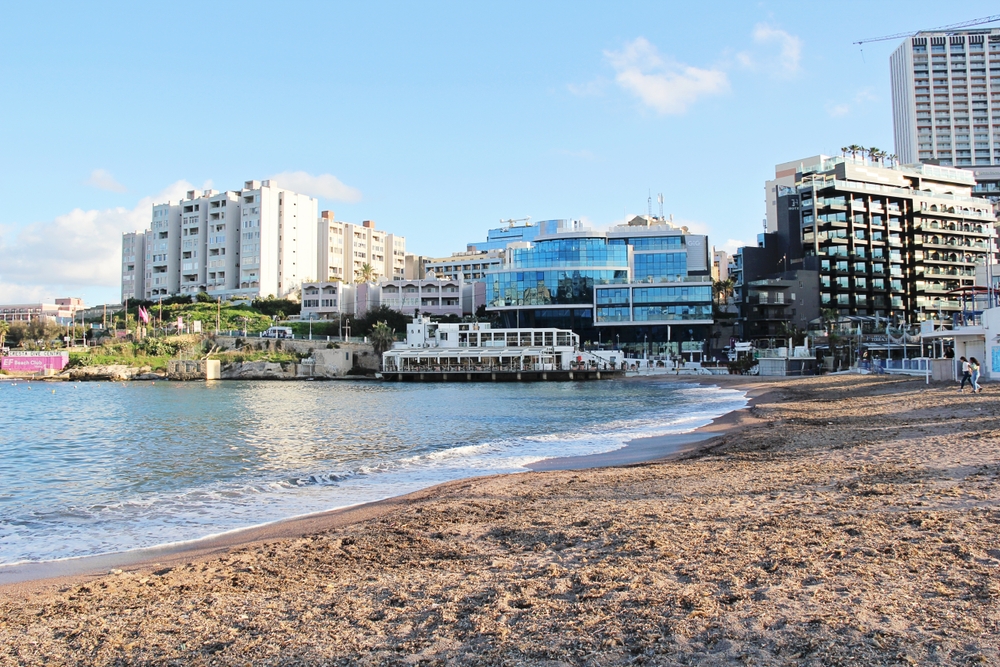
Pembroke sits right on the coast, with a rocky shoreline offering direct access to the sea. For sandier options, Sliema’s lidos and the beaches further along the coast are all within a short drive, giving residents genuine flexibility for a swim without having to travel far.
Nightlife in Pembroke
While Pembroke may not have the bustling nightlife of larger cities, it offers a charming and relaxed evening scene. The town’s pubs and local venues provide a cozy atmosphere for socializing. The Old Kings Arms Hotel and the Pembroke Dock’s Royal Oak are popular spots where visitors can enjoy traditional Welsh ales and hearty pub fare. For those seeking a more vibrant experience, nearby towns like Tenby and Haverfordwest offer a broader range of bars, restaurants, and live music venues. Pembroke’s nightlife is characterized by its friendly, welcoming vibe and the opportunity to enjoy a more laid-back evening compared to urban centers.
Why Choose Pembroke
Pembroke offers something genuinely rare on the island: real space and modern comfort, positioned right beside Malta’s most energetic nightlife and dining district. Because of this, it continues to attract international families and professionals who want the best of both worlds. Whether you are drawn to Verdala International School, its proximity to Paceville, or simply its quiet, modern streets, Pembroke offers a genuinely practical home on Malta’s northern coast.
BUY
Properties For Sale in Pembroke
RENT
Properties For Rent in Pembroke
Localities
Discover other Maltese localities
Take a deep dive and browse the Maltese localities and local insights to see if the homes for sale/rent are right for you.