Mdina
Mdina, a fortified city located in the northern region of Malta, is a place rich in history, modern amenities, and unique charm. Often referred to as the “Silent City,” Mdina offers a distinct blend of ancient heritage and contemporary lifestyle, making it a fascinating destination for tourists and residents alike.
History
Mdina’s history dates back over 4,000 years, with its origins rooted in the Bronze Age. Originally known as Maleth by the Phoenicians around 700 BCE, it became an important stronghold due to its strategic location. The Romans later named it Melite and further fortified the city. However, it was during the Arab period (870-1091) that Mdina acquired its current name and much of its architectural character. The Normans, who arrived in the 11th century, also left their mark, developing the city further and using it as a residence for the nobility.
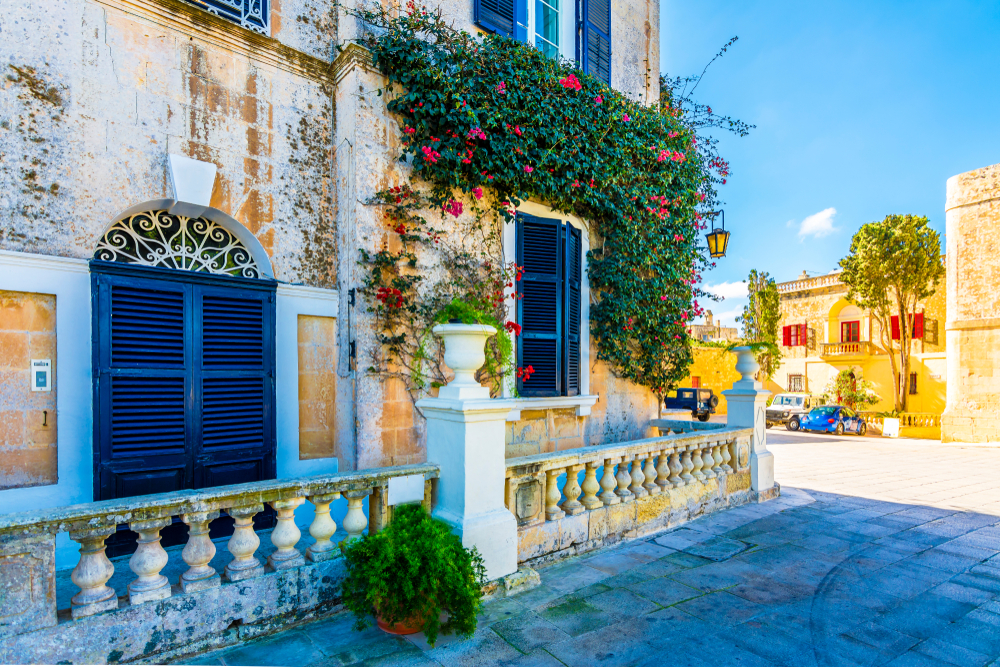
Throughout the centuries, Mdina witnessed numerous invasions and rulers, including the Byzantines, Arabs, Normans, and the Knights of St. John. The latter played a significant role in shaping the city’s architecture and defensive structures. Despite these various influences, Mdina retained its medieval charm, with narrow winding streets and baroque architecture that remain well-preserved today.
Where Mdina Sits on the Island
Mdina falls within the Western District, in Malta’s Western Region. Because of its position at the very centre of the island, most people simply describe it as the historic heart of Malta. It is a genuinely tiny city, home to just around 250 to 300 residents, confined entirely within its own ancient walls, a footprint that has barely changed in centuries.
Mdina borders Attard, Mtarfa and Rabat. As a result, while the walled city itself stays deliberately still, Rabat, home to over 11,000 residents just beyond the walls, and the rest of central Malta remain within a short and easy walk or drive.
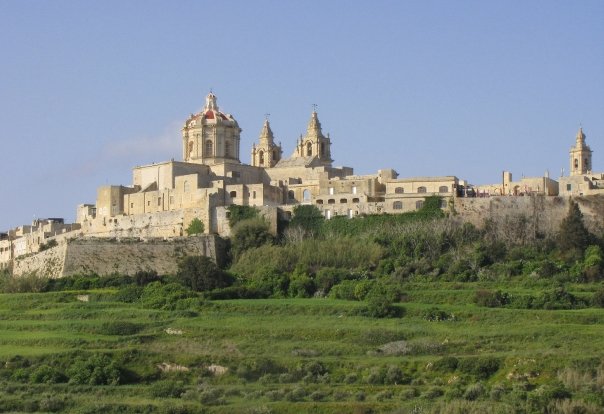
Mdina sits on a hilltop at the centre of Malta and remains one of the best-preserved medieval walled cities in Europe. Known island-wide as the Silent City, its honey-coloured limestone streets have stayed almost entirely car-free for centuries, offering a way of life unlike anywhere else on the island. So if you want genuine history, real exclusivity, and a home unlike any other, Mdina deserves a serious look. Your next chapter starts here.
Schools in the Area
Mdina itself has no schools within its walls, reflecting its almost entirely residential and historic character. Because it borders Rabat and Attard, families have easy access to a wide range of church, state and independent schools just a short walk or drive away.
Lifestyle in Mdina
Mdina offers a lifestyle unlike anywhere else on the island: living inside a genuine monument. Founded by the Phoenicians around the eighth century BC, the city has remained significant for nearly 3,000 years. It served as Malta’s capital from antiquity through to 1530, when the arrival of the Knights of St John shifted power to Birgu and, later, Valletta, leaving Mdina behind. That shift is exactly why the nickname “Silent City” stuck: the population dwindled dramatically, and to this day only a small number of vehicles, mostly owned by residents, are permitted inside the walls.
Within those walls, Mdina remains genuinely aristocratic. Property has traditionally been passed down through the same noble families for generations, and today’s homes range from tiny backstreet apartments to opulent palazzi. St Paul’s Cathedral, rebuilt in Baroque style after the devastating 1693 earthquake, anchors the city’s skyline, while Palazzo Falson, one of the best-preserved medieval buildings in Malta, and Palazzo Vilhena, home to the Natural History Museum, add further grandeur. Mdina’s dramatic streets have also drawn international film crews, most famously as the setting for King’s Landing in the first season of Game of Thrones.
Because of its rarity, heritage, and genuinely unique lifestyle, Mdina appeals to a very specific kind of buyer, one seeking a home of real historical and architectural significance rather than everyday convenience. Property here is limited and highly sought after, ranging from characterful apartments to grand, centuries-old palazzi.
Feast Celebrations
Mdina holds three patron saints: St Peter, St Paul and Our Lady of Mount Carmel, with celebrations on 29 June and the fourth Sunday of July. The Carmelite Order has held a presence in the city since 1418, and a painting of Our Lady of Mount Carmel, signed by the artist Mattia Preti, is still carried in procession each year during her feast. Despite the city’s small population, these celebrations bring real colour and tradition to Mdina’s ancient streets.
Restaurants and Dining
Mdina’s dining scene punches well above its size, and several restaurants here rank among the most celebrated on the island. De Mondion, a Michelin-starred restaurant set on the top floor of a sixteenth-century building, offers refined Mediterranean fine dining with genuinely stunning terrace views. Fontanella Tea Garden is a local institution, renowned across Malta for its homemade cakes and views over the countryside, while Palazzo De Piro and Bacchus Restaurant, the latter set within the historic bastions, both offer a wider Mediterranean menu in equally atmospheric surroundings.
Grocery Shops and Everyday Amenities
Mdina itself has no grocery shops or supermarkets, staying almost entirely residential, historic and tourism-facing within its walls. For everyday essentials, residents step just outside the gates into neighbouring Rabat, which offers a full range of shops, supermarkets and services within easy walking distance.
Transport Links
Mdina connects to the rest of the island by bus, with route 51 running directly from Valletta to Mdina and Rabat in around 30 minutes. Because private cars are largely restricted within the city walls, most visitors and many residents rely on this connection, or simply walk in from the Rabat side. For drivers, Mdina’s central position keeps journeys to the rest of the island short, though parking and access within the walls themselves stay deliberately limited.
Special Designated Areas (SDA)
Mdina does not currently have a Special Designated Area. So if you are a non-EU buyer who specifically needs SDA status, which removes the standard property permit requirement, you may want to look at areas such as Portomaso or Tigné Point instead. That said, Mdina remains fully open to EU buyers, and non-EU buyers can also purchase here through the standard Acquisition of Immovable Property (AIP) permit process. Either way, the sheer rarity of property within Mdina’s walls keeps demand exceptionally strong regardless.
Nearby Beaches
Mdina sits on high ground at the centre of the island, so it has no coastline of its own. Even so, its central position keeps the coast within reasonable reach. Golden Bay and the northwest coast, along with Dingli Cliffs just to the south, are both reachable within a comfortable drive, offering a genuine change of scenery from the city’s stone streets. So while Mdina trades sea views for hilltop grandeur, the coast is never too far off.
Nightlife
While Mdina is renowned for its serene environment, it also offers a unique nightlife experience. The city’s quaint streets and historic buildings are illuminated beautifully at night, creating a romantic and magical atmosphere. There are several charming restaurants and wine bars within the city walls, offering exquisite dining experiences with stunning views of the surrounding landscape. Though not as bustling as other Maltese cities, Mdina’s nightlife is perfect for those seeking a more intimate and leisurely evening.
Why Choose Mdina
Mdina offers something genuinely unmatched on the island: the chance to live inside one of Europe’s best-preserved medieval cities, steeped in nearly 3,000 years of history. Because of this, it continues to attract buyers seeking real exclusivity and architectural significance above all else. Whether you are drawn to its cathedral, its palazzi, or simply the profound quiet of its ancient streets, Mdina offers a genuinely singular home at the very heart of Malta.
BUY
Properties For Sale in Mdina
RENT
Properties For Rent in Mdina
Localities
Discover other Maltese localities
Take a deep dive and browse the Maltese localities and local insights to see if the homes for sale/rent are right for you.