Marsaxlokk
History
Marsaxlokk, a traditional fishing village in southeastern Malta, boasts a rich history dating back to the Phoenician era. The village’s name is derived from the Maltese words ‘marsa’, meaning ‘port’, and ‘xlokk’, meaning ‘south-east’. Marsaxlokk has been a significant harbour for centuries, witnessing the arrival of various settlers and invaders, including the Romans, Arabs, and Normans.
The village played a crucial role during the Great Siege of Malta in 1565 when the Ottoman fleet anchored in Marsaxlokk Bay. Over the centuries, it has retained its importance as a strategic maritime location. In more recent history, Marsaxlokk gained prominence during the Cold War, when it hosted the Malta Summit in 1989, at which U.S. President George H.W. Bush and Soviet leader Mikhail Gorbachev declared the end of the Cold War.
Where Marsaxlokk Sits on the Island
Marsaxlokk falls within the South Eastern District, in Malta’s Southern Region. Because of its position on the southeast coast, most people describe it simply as part of the South East. It remains a genuinely small village, home to just over 4,200 residents, and its name combines the Arabic marsa, meaning harbour, with the Maltese xlokk, the southeasterly sirocco wind, translating roughly to “southeast harbour.”
Marsaxlokk borders Birżebbuġa, Għaxaq, Marsaskala and Żejtun. As a result, you can reach the airport, the rest of the south, and the harbour region within a short drive.
Marsaxlokk sits on Malta’s southeastern coast, and it remains the island’s most recognisable fishing village, its harbour filled with brightly painted luzzu boats that have become one of the defining images of Malta itself. Behind the postcard views, though, Marsaxlokk stays a genuinely working village, small, close-knit and deeply tied to the sea. So whether you want real coastal authenticity or a slower pace of life by a working harbour, Marsaxlokk deserves a serious look. Your next chapter starts here.
Schools in the Area
Marsaxlokk itself stays small and residential, with no major school directly in the village. Because it borders Żejtun and Għaxaq, families have easy access to a wider range of church, state and independent schools just a short drive away.
Lifestyle in Marsaxlokk
Marsaxlokk offers a lifestyle built entirely around its working harbour, one of the oldest in Malta. Originally part of neighbouring Żejtun, the village only became a separate parish in the late nineteenth century, but its use as a port stretches far further back, to the Phoenicians, Carthaginians, Romans, and later the Order of St John, drawn by the natural shelter of Delimara Point.
The harbour itself is the village’s real centrepiece, home to Malta’s largest fishing fleet. Hundreds of luzzu, the traditional wooden boats painted in bold reds, blues, yellows and greens, sit at anchor, each bearing the Eye of Osiris on its bow, a Phoenician-era symbol still painted on by fishermen today for protection at sea. The Sanctuary of Our Lady of Pompei stands close to the water, a genuine focal point for the community, while beyond the village, Fort Delimara, a Victorian-era fortification built by the British between 1876 and 1888, still guards the bay from its headland.
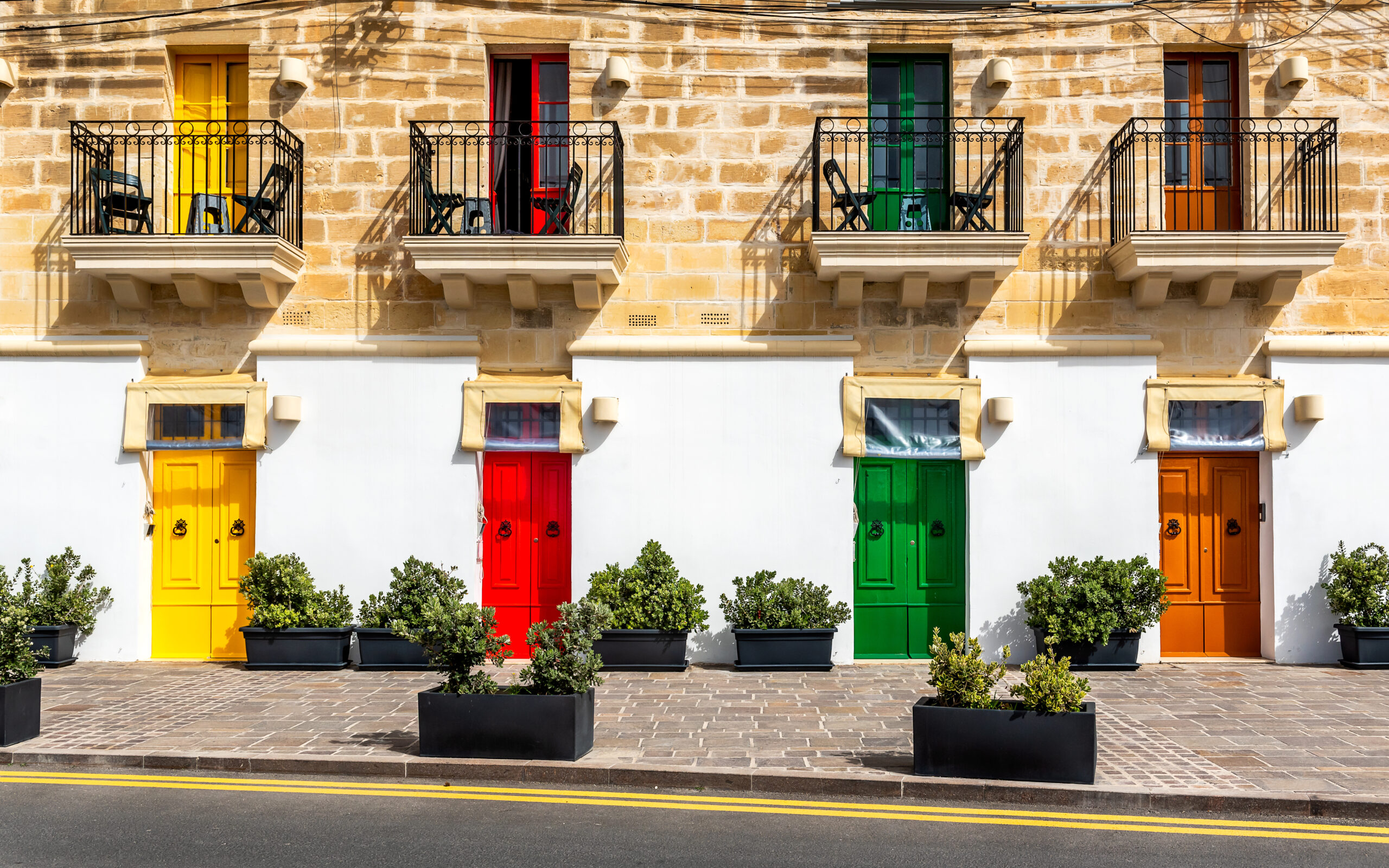
Because of its authenticity, working harbour, and slower, tight-knit pace, Marsaxlokk suits buyers who want a genuine coastal village lifestyle away from Malta’s busier resort towns. Property here tends towards traditional townhouses close to the water, reflecting the village’s fishing heritage.
Feast Celebrations
Marsaxlokk’s patron feast honours Our Lady of Pompeii, and it falls on the fifth Sunday of July or the first Sunday of August, depending on the year. The celebrations bring the harbourfront to life with processions, decorations and fireworks, drawing the whole community together around the Sanctuary that has stood at the heart of village life for generations.
Restaurants and Dining
Marsaxlokk’s dining scene is genuinely one of the best-regarded on the island for fresh seafood, with restaurants lining the harbourfront and serving fish that came in on the boats that morning. Ir-Rizzu, one of the oldest restaurants in the village, is a family-run favourite specialising in fresh fish cooked in an open kitchen, while iPlace offers a wider menu spanning pizzas, meats and seafood in a more modern setting. Carrubja Restaurant, right on the water’s edge, is well loved for its views as well as its seafood, pasta and pizza. Locals note that weekday visits, particularly Tuesday to Thursday, bring quieter tables and better value than the busier Sunday crowds.
Grocery Shops and Everyday Amenities
Marsaxlokk covers everyday basics through a handful of local shops in the village core. The Sunday market itself doubles as a genuine source of fresh produce, with honey, fruit, jams, vegetables and local wine sold alongside the fish stalls each week. For a fuller weekly shop, residents typically head into neighbouring Żejtun, a short drive away.
Transport Links
Marsaxlokk connects to Valletta by direct bus, with routes 81 and 85 running from the main terminus in around 30 to 40 minutes, and route 119 offering a fast link from Malta International Airport, just 6.5 kilometres away. On Sundays, an additional direct route also serves the market crowds. For drivers, the airport’s proximity makes Marsaxlokk one of the more convenient southern villages to reach, though parking near the seafront gets genuinely difficult on Sunday mornings.
Special Designated Areas (SDA)
Marsaxlokk does not currently have a Special Designated Area. So if you are a non-EU buyer who specifically needs SDA status, which removes the standard property permit requirement, you may want to look at areas such as Portomaso or Tigné Point instead. That said, Marsaxlokk remains fully open to EU buyers, and non-EU buyers can also purchase here through the standard Acquisition of Immovable Property (AIP) permit process. Either way, its authenticity and harbour setting keep steady, long-term interest alive.
Nearby Beaches
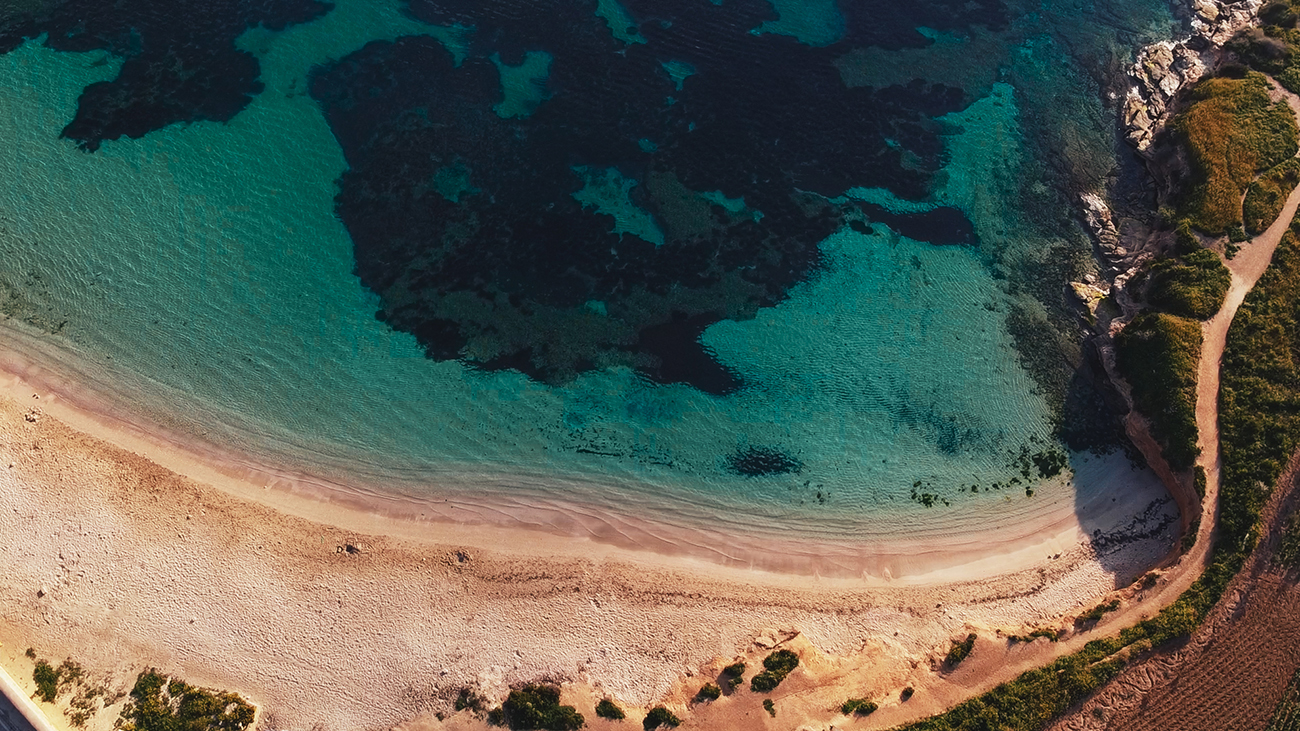
Marsaxlokk itself has no sandy beach, but the surrounding coast more than makes up for it. St Peter’s Pool, a striking natural swimming spot cut into the rocks, sits just a short walk or drive away and remains one of the most popular spots on the island for a summer swim. Peħlin Bay is also part of the wider Marsaxlokk coastline, adding a further, quieter option. So while the village trades sand for a working harbour, genuinely excellent swimming is never far off.
Nightlife
Marsaxlokk is not typically known for its bustling nightlife, as it primarily caters to those seeking a serene and authentic Maltese experience. The village exudes a tranquil atmosphere with its picturesque harbour, lined with traditional colourful fishing boats known as ‘luzzus’. However, visitors can still enjoy a variety of evening activities.
Why Choose Marsaxlokk
Marsaxlokk offers something genuinely rare on the island: a real, working fishing village, still shaped by the sea rather than by tourism alone. Because of this, it continues to attract buyers who want authenticity, community and a slower pace by the water. Whether you are drawn to the luzzu-filled harbour, the Sunday market, or simply its unmistakable character, Marsaxlokk offers it all.
The village offers numerous waterfront restaurants and bars where one can savour fresh seafood and local cuisine while enjoying the stunning sunset views over the bay. Many establishments provide live music, creating a relaxed and enjoyable ambience. Additionally, Marsaxlokk hosts occasional cultural events and festivals, adding a touch of vibrancy to the otherwise peaceful nights.
BUY
Properties For Sale in Marsaxlokk
RENT
Properties For Rent in Marsaxlokk
Localities
Discover other Maltese localities
Take a deep dive and browse the Maltese localities and local insights to see if the homes for sale/rent are right for you.