How to Keep Your Home Cool in Summer in Malta
Your Journey Begins with RE/MAX Malta
Summer in Malta is one of the best times of year to be on the island. It is also one of the most challenging times to be indoors. Temperatures regularly exceed 35 degrees Celsius from July to September. On top of that, the humidity that rolls in from the sea makes it feel even warmer.
The good news is that there is plenty you can do. You do not need to run the air conditioning at full power all day. Here are the most effective ways to stay cool at your property in Malta this summer.
1. Block the Sun Before It Gets In
The single most effective thing you can do is stop the heat from entering your home. Once the sun heats up your walls and floors, your air conditioning has to work much harder.
Close your blinds, shutters and curtains before the sun hits your windows. Aim to do this before 9 am in the south and west-facing rooms. Dark or blackout curtains are particularly effective in bedrooms. The sunrise in Malta is around 5:30 am in June. Without blackout curtains, your bedroom can heat up by 7 am. With them in place, you buy yourself several extra hours of cool.
External shutters are even more effective than internal blinds. They stop the heat before it passes through the glass. These are common in older Maltese properties and are well worth using.
For properties without external shutters, adhesive reflective window film is a good alternative. It reduces solar heat passing through glass without affecting natural light. It works especially well on large south or west-facing panes.
2. Service Your Air Conditioning Before Summer Starts
A unit with dirty filters works far harder for far less effect. Book your service at the beginning of the year. Do not wait until the first scorching day. During the summer, technicians are in very high demand.
Clean or replace your filters at least once a month during summer. Blocked filters restrict airflow and drive up your electricity bill.
Set your AC to 24-25 degrees rather than 18. Pair it with a ceiling or standing fan. Circulating air lets you set the thermostat higher while feeling the same level of comfort. A fan costs roughly two cents per hour to run. Your AC costs twenty to forty times that amount.
Also, seal any gaps around doors and windows. Those draughts that let cold air in during winter let hot air in during summer. They force your AC to work overtime.
3. Shade Your Balcony or Roof Terrace
An unshaded south or west-facing balcony acts like a heat collector. It radiates warmth back into your home throughout the afternoon and evening. Shading it makes a meaningful difference to the rooms it faces.
A retractable lawning, a fixed canopy or a large outdoor umbrella all work well. Shading your outdoor space also makes it usable during the hottest parts of the day.
If you live on the top floor, consider shading the roof as well. A canopy or awning helps deflect the sun from the surface above. Painting a flat roof in a light or reflective colour also helps reflect heat rather than absorb it.
4. Open Up at Night, Close Up During the Day
This strategy costs nothing at all. Between 10 am and 6 pm, keep windows and shutters closed. This traps cooler air inside. At night, open everything to allow cross ventilation. This flushes warm air out and draws cooler night air in.
This is how Maltese homes were built to function. It remains highly effective, especially in properties with thick limestone walls. Also, keep interior doors open throughout the day. Closed rooms heat up quickly in the afternoon. Open doors allow cool air to move through the whole home.
5. Use a Dehumidifier Alongside Your AC
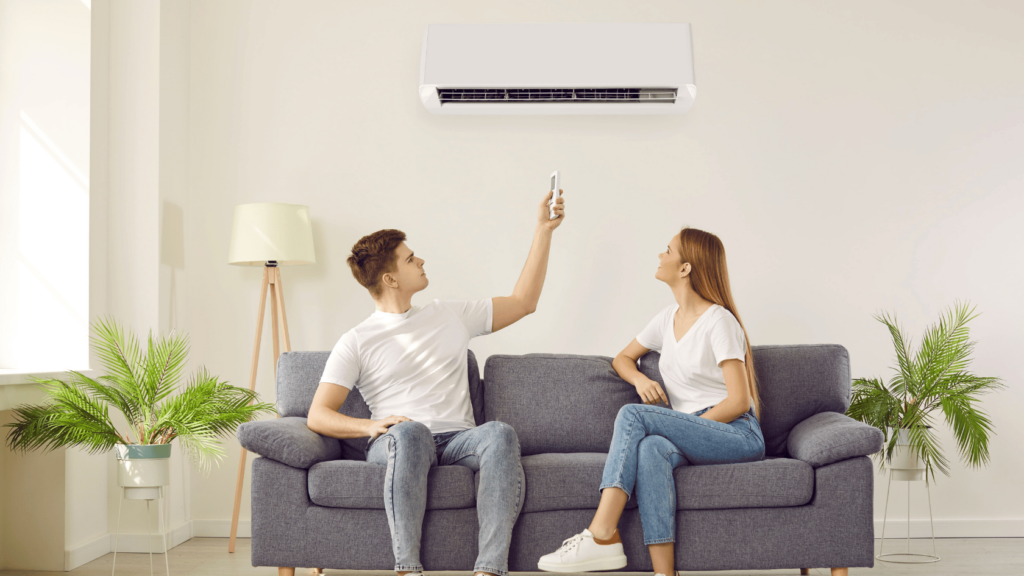
In Malta, the heat feels worse because of the humidity. High humidity makes warm temperatures feel much more intense. A humidity level of 50% or more can make it feel up to twice as hot.
A dehumidifier removes moisture from the air. It makes your home feel cooler even at a higher temperature setting. It also protects against mould in poorly ventilated rooms during humid months.
6. Add Greenery to Your Balcony or Roof
Plants provide natural shade. They also release moisture through their leaves, which cools the surrounding air. A well-planted balcony or rooftop garden reduces the heat reaching the rooms below.
Even a few large potted plants along a south-facing railing make a noticeable difference. The more greenery on your roof, the cooler the surface stays.
7. Rethink Cooking During the Hottest Hours
Ovens and hobs generate significant heat. During summer, cook earlier in the morning or later in the evening. Use a microwave, air fryer or outdoor barbecue during the hottest part of the day. This avoids heating up your kitchen and the surrounding rooms.
8. Switch to LED Lighting
Traditional bulbs generate heat as they produce light. LED bulbs run much cooler and use far less electricity. Switching to LED throughout your home makes a small but real difference to indoor temperature. It also reduces your electricity bill during an already expensive time of year.
9. Use Light-Coloured Bedding and Fabrics
Dark fabrics absorb heat. Switch to light-coloured cotton or linen bedding during summer. These materials are breathable and do not trap heat the way synthetic fabrics do. This simple change makes the bedroom noticeably more comfortable at night.
10. Keep a Misting Fan or Cold Water Spray to Hand
A portable misting fan is surprisingly effective at quickly lowering body temperature. A simple spray bottle filled with cold water works just as well. Keep one in the living area and one in the bedroom. It is a low-cost solution that works well alongside your other cooling methods.
11. Check Your Insulation
Many properties in Malta, particularly older apartments, have little to no insulation. Without it, heat passes straight through the walls. It then acts as a conductor throughout the night. Even basic insulation creates a barrier that saves the equivalent of a month’s worth of air conditioning costs. If you own your property, it is one of the most cost-effective long-term improvements you can make.
12. Time Your Routines Around the Heat
This is the most Maltese approach of all. Get errands and outdoor activities done before midday. Stay indoors with shutters closed between noon and 5 pm. Return to outdoor life from early evening onwards. That is when the temperature drops, the sea breeze picks up, and Malta is at its most enjoyable.
Think About It When Buying or Renting
Some properties are simply better suited to summer than others. Older townhouses with thick walls, high ceilings and external shutters stay naturally cooler. Properties with large south or west-facing glass panes absorb the most heat.
When viewing a property in the cooler months, ask which way the main rooms face. Ask whether external shutters are fitted and how well the roof is insulated. These details matter far more than they might seem at the time of viewing.
The RE/MAX Takeaway
Keeping your home cool in Malta is about layering your approach. Block the sun early. Ventilate at night. Shade your outdoor spaces. Keep your systems maintained. Make small adjustments to your daily routine. Together, these habits keep your home more comfortable and your electricity bill more manageable throughout summer.
If you are looking for a property in Malta or Gozo that is well-suited to the summer climate, speak to one of our RE/MAX Malta agents today. Your journey begins with RE/MAX Malta.
Frequently Asked Questions
What is the best way to keep an apartment cool in Malta in summer?
Block sunlight with blinds or shutters before it enters. Set your AC to 24-25 degrees and pair it with a fan. Open windows at night to allow cooler air to circulate through the property.
How often should I clean my AC filters in Malta?
Clean or replace your filters at least once a month during summer. Dirty filters reduce airflow and efficiency, meaning your unit works harder and costs more to run.
Does a balcony umbrella or canopy actually help keep the home cooler?
Yes. Shading a south or west-facing balcony stops it from acting as a heat collector. It reduces the temperature of the rooms behind it. A retractable awning or fixed canopy is the most effective option for regular use.
Do I need a dehumidifier as well as air conditioning in Malta?
A dehumidifier is a worthwhile addition, particularly in coastal properties. It removes moisture from the air, makes your home feel cooler and protects against summer mould.
Which type of property stays coolest in Malta during summer?
Older properties with thick limestone walls, high ceilings, external shutters, and good cross-ventilation stay naturally cooler. Properties with large south or west-facing glass panes absorb the most heat and are harder to cool.
Does insulation help in Malta in summer?
Yes. Insulation keeps heat out in summer just as it keeps warmth in during winter. Adding it to the roof in particular can make a significant difference to indoor temperature without increasing energy consumption.