Everything You Need to Know About Selling Your Home in Malta

Your Journey Begins with REMAX Malta
Selling your home in Malta is a significant financial and personal decision. Whether you are upsizing, downsizing, relocating or releasing equity built up over years of ownership, getting the process right from the start makes a meaningful difference to both the outcome and the experience.
This guide covers everything you need to know about selling property in Malta in 2026, from preparing your home and choosing the right agent to understanding the taxes, fees and legal steps involved.
Step 1: Understand What It Will Cost You to Sell
Before you list your property, it is important to have a clear picture of the costs involved. Unlike buying, where the buyer carries the stamp duty, selling comes with its own set of financial obligations.
Property Transfer Tax
The transfer of property in Malta is subject to both the provisions of the Income Tax Act and the Duty on Documents Act. The seller must pay capital transfer taxes on the transfer of any property located in Malta.
The standard withholding tax rate is 8% of the transfer value. This is paid by the seller at the time of the final deed. It is calculated on the higher of the declared sale price or the market value established by the Malta Tax and Customs Administration, so it is important to price your property accurately from the outset.
Capital Gains Exemptions Worth Knowing
Not every seller pays the full 8%. There are important exemptions and reduced rates that apply in certain circumstances.
Capital gains arising from the sale of property in Malta are exempt from income tax provided that the property has been the main residence for three consecutive years and the property is disposed of not later than one year of vacating it. This is one of the most significant exemptions available and applies to the majority of owner-occupiers selling their primary home.
If these conditions are not met, the seller will be subject to tax on the capital gain. Tax on capital gains is either at the applicable rate on the actual profit or a 12% final withholding tax of the selling price less agency fees.
A reduced rate of 5% applies in certain circumstances, including properties transferred within five years of acquisition under specific conditions. Your notary can confirm which rate applies to your situation.
Energy Performance Certificate
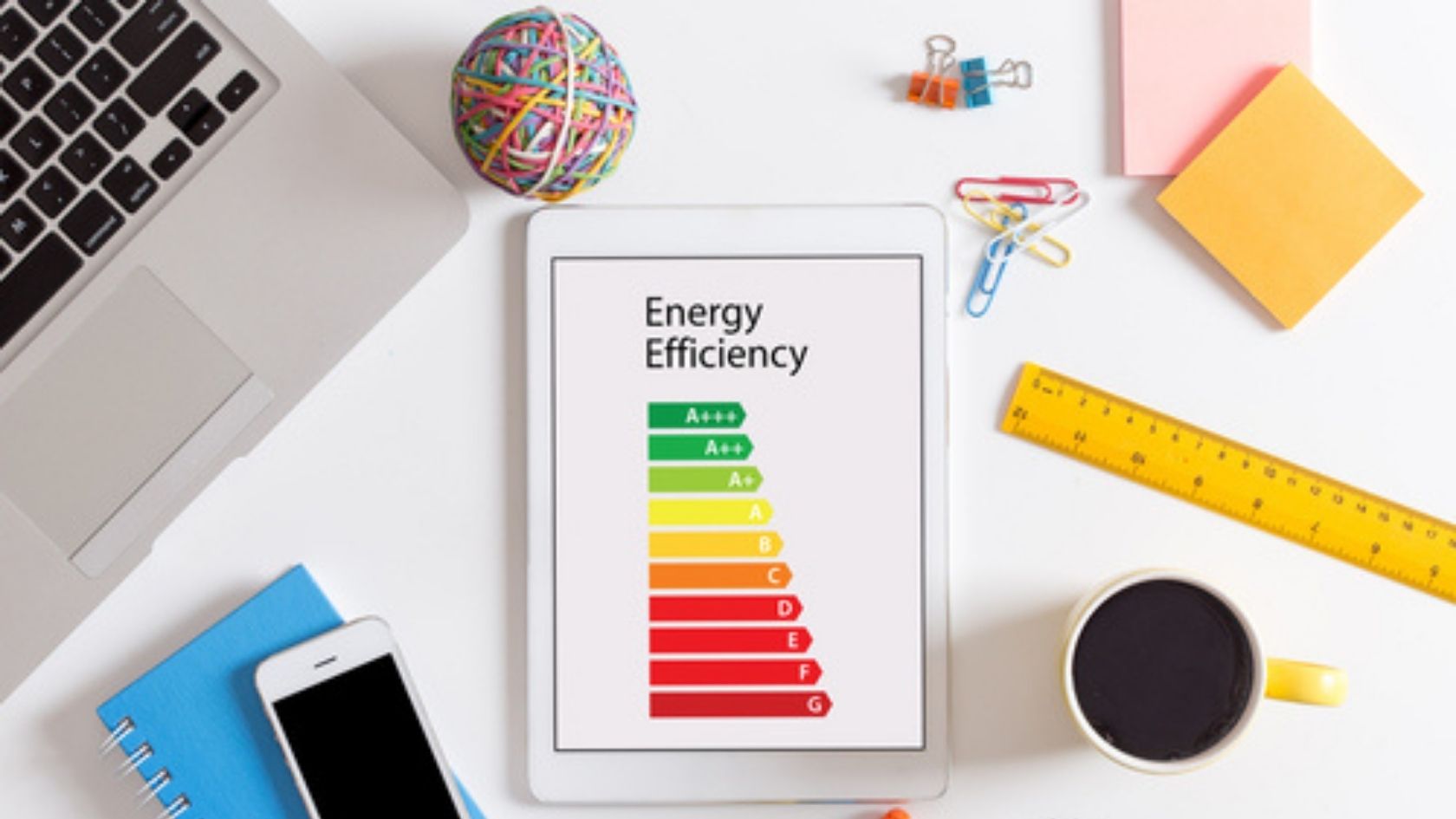
By law, every property sold in Malta must have a valid EPC. This certificate informs the buyer about the energy efficiency of the building. Obtaining one usually costs between €200 and €500, depending on the size and complexity of the property.
Step 2: Prepare Your Property for Sale
First impressions matter enormously in property. Before your listing goes live, it is worth investing time and effort into presenting your home in the best possible condition.
Declutter and depersonalise.
Buyers need to imagine themselves living in the space. Remove personal items, excess furniture and anything that makes rooms feel smaller or more cluttered than they are.
Address minor repairs.
Fix leaking taps, replace broken tiles, repaint scuffed walls and ensure all lights are working. These are small costs that make a significant difference to how buyers perceive the property.
Consider professional staging.
A well-staged home photographs better and sells faster. REMAX Malta’s Exclusive and Exclusive Plus services both include professional photography and home staging as standard, removing the need to organise this separately.
Get your EPC in order.
Your Energy Performance Certificate must be in place before you can legally list your property. If you do not already have one or your existing certificate has expired, arrange this early to avoid delays.
Step 3: Choose the Right Agent and Listing Strategy
How you list your property is one of the most important decisions you will make as a seller. The difference between a well-marketed and a poorly marketed property can be measured in both time on the market and final sale price.
Why an exclusive listing outperforms an open listing
It might seem logical to list with multiple agencies to maximise exposure. In practice, the opposite tends to be true. When multiple agencies carry your property, no single agent has a strong incentive to invest time, money or marketing effort, since they may never be paid for it. As a result, your property receives diluted attention. Buyers also notice when the same property appears repeatedly across multiple platforms listed by different agencies, which can signal that something is wrong and reduce the offers you receive.
An exclusive listing with REMAX Malta changes this dynamic entirely. One agency. One agent. Full accountability. Maximum effort.
REMAX Exclusive and Exclusive Plus
REMAX Malta offers two levels of exclusive service, both designed to give your property the best possible chance of a fast, strong sale.
Both Exclusive and Exclusive Plus include professional photography and home staging, 3D visuals, search priority placement on the REMAX Malta website, EPC assistance and guidance, newsletter distribution to active buyers and a professional market valuation.
Exclusive Plus goes further, adding full social media marketing across Facebook, Instagram and LinkedIn, a full EPC report with the certificate included, a professional video property tour and a certified architect inspection.
Together, these give your property a level of presentation and reach that a standard listing cannot match. The faster your property sells, the better the price you are likely to achieve.
Step 4: Set the Right Price
Pricing your property correctly from day one is one of the most critical decisions in the selling process. Overpriced properties tend to sit on the market, accumulate days unsold and ultimately sell for less than they would have achieved at the right price from the start.
A professional market valuation, included in both REMAX Exclusive and Exclusive Plus, gives you an accurate and evidence-based picture of what your property is worth in the current market. Your REMAX Malta agent will draw on current transaction data, local market knowledge and comparable sales to recommend a price that attracts serious buyers while achieving the best possible return.
It is also worth noting that the market value of the property does not necessarily have to be the same as the price declared on contract. The tax payable should be calculated on the higher value. This means undervaluing a property on paper to reduce tax liability is not a strategy that works in Malta and can result in an assessment from the Malta Tax and Customs Administration.
Step 5: Sign the Promise of Sale
Once you have accepted an offer, both parties sign the Promise of Sale, known in Malta as the Konvenju. This is a legally binding agreement that commits both buyer and seller to the transaction, subject to agreed conditions.
At this point, the buyer pays a deposit, typically 10% of the purchase price. Once a promise of sale is signed, it is to be presented at the Property Tax Directorate within 21 days of the actual signing. Your notary handles this on your behalf.
If either party withdraws without legal grounds after the Konvenju is signed, there are financial consequences. The buyer forfeits the deposit, and the seller may be required to pay double the deposit to the buyer. For this reason, it is important to be certain before signing.
Step 6: Complete the Legal Process
During the period between the Konvenju and the final deed, your notary carries out all necessary legal due diligence. This includes confirming clear title, checking that all planning and building permits are in order and preparing the documentation required for the final deed.
Upon signing of the contract, the notary publishing the deed must submit the DDT1 form at the Property Tax Directorate, a copy of the signed contract, site plans of the property being sold, a copy of the Public Registry note, the stamp duty payment due by the buyer, the capital gains tax payment due by the seller and the completed Schedule 8 for residential property.
The Malta Tax and Customs Administration may send an architect to inspect the property and establish its market value. The law allows a 15% tolerance between the declared value and the market value established by the department’s architect. If the difference is more than 15%, the department will issue a claim both on the buyer and the seller.
Step 7: Sign the Final Deed
The final deed is the last stage of the process. At the signing, the remaining balance of the purchase price is paid to you, ownership is formally transferred to the buyer and your notary registers the transaction with the Malta Tax and Customs Administration.
Your property transfer tax is settled at this stage. Once the deed is signed and all fees and taxes are paid, the sale is complete.

Key Documents You Will Need as a Seller
Having your documents in order early avoids delays at critical stages of the process. The key documents sellers need include:
A valid form of identification such as a Maltese ID card or passport. Proof of address issued within the last three months, such as a utility bill or bank statement. Your Tax Identification Number. Title deeds or proof of ownership. Any planning and building permits relating to the property. A valid Energy Performance Certificate. Ground rent or freehold documentation if applicable.
A Note on Selling Inherited Property
If you are selling a property that came to you through inheritance, different tax considerations may apply. Inherited property is subject to its own set of rules under Maltese law, and it is strongly advisable to seek guidance from your notary before proceeding. Your REMAX Malta agent can connect you with the right professionals from the outset.
How Long Does It Take to Sell a Property in Malta?
The timeline varies depending on the property, the market conditions and how quickly a buyer can secure financing. In general, from listing to signing the final deed, the process takes between three and six months. A well-priced, well-presented property listed exclusively with an active agent consistently sells faster than one that is overpriced or poorly marketed.
The REMAX Takeaway
Selling your home in Malta is a process that rewards preparation, honest pricing and the right professional support. Understanding the costs involved, presenting your property well and working with an agent who is fully committed to your sale are the three things that make the biggest difference to the outcome.
At REMAX Malta, our Exclusive and Exclusive Plus services are designed to give every seller the best possible start, from professional photography and staging to priority placement, active buyer outreach and dedicated agent support throughout the process.
Your journey begins with REMAX Malta. Speak to one of our agents today and let us guide you from the first conversation to the final signature.
Frequently Asked Questions
How much tax do I pay when selling property in Malta?
The standard property transfer tax rate is 8% of the transfer value, paid by the seller. However, if the property has been your primary residence for at least three consecutive years and you sell within one year of vacating it, you are exempt from this tax. A reduced rate of 12% on actual profit or 5% in certain circumstances may also apply depending on the situation. Your notary can advise on which rate applies to you.
Who pays the estate agent fees when selling property in Malta?
In Malta, the seller pays the estate agent’s commission, typically around 5% plus VAT. This fee is deductible from the transfer value when calculating your property transfer tax liability.
Do I need an Energy Performance Certificate to sell my home in Malta?
Yes. An EPC is a legal requirement for all property sales in Malta. It must be in place before you can list your property. Costs typically range from €200 to €500 depending on the size and complexity of the property.
What is the difference between REMAX Exclusive and Exclusive Plus?
Both services include professional photography and home staging, 3D visuals, search priority placement, EPC assistance, newsletter distribution to active buyers and a professional market valuation. Exclusive Plus additionally includes full social media marketing, a complete EPC report with certificate, a professional video property tour and a certified architect inspection.
How long does it take to sell a property in Malta?
From listing to signing the final deed, the process typically takes between three and six months. A well-priced property presented professionally and listed exclusively with a committed agent consistently sells faster.
What happens if the buyer pulls out after signing the Konvenju?
If the buyer withdraws without legal grounds after signing the Konvenju, they forfeit their deposit. If the seller withdraws without legal grounds, they are typically required to pay the buyer double the deposit amount.
Can I sell a property in Malta if I live abroad?
Yes. Non-residents can sell property in Malta. The process follows the same legal steps, though the property transfer tax and any applicable exemptions still apply. A notary appointed in Malta handles the legal process and can manage much of the process remotely on your behalf.
Sources: Malta Tax and Customs Administration, mtca.gov.mt | Income Tax Act (Cap 123) | Duty on Documents Act (Cap 364)
Key Takeaways
- Selling your home in Malta involves understanding costs like the 8% property transfer tax, exemptions, and necessary documentation.
- Prepare your property by decluttering, addressing repairs, and ensuring a valid Energy Performance Certificate (EPC) is in place.
- Choose an exclusive listing with REMAX Malta for better marketing reach and faster sales compared to open listings.
- Set the right price based on a professional market valuation to attract buyers and avoid prolonged listing periods.
- Follow legal steps from signing the Promise of Sale to completing the final deed to ensure a smooth transaction.