Small Apartment Design in Malta: 2025 Trends That Add Real Value
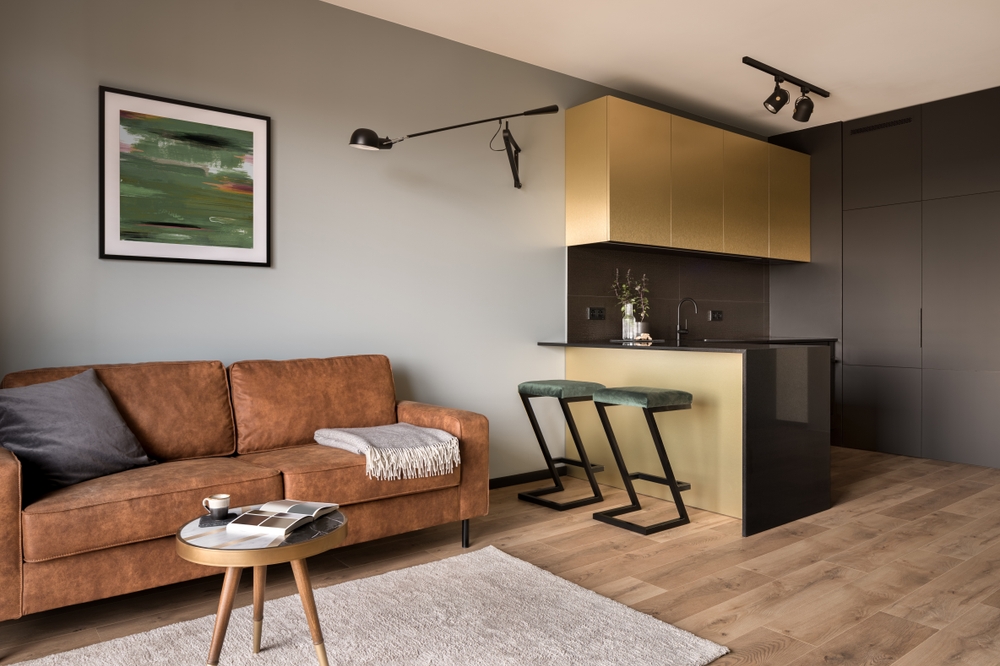
Small apartments are standard on the Maltese Islands. Space is tight. Budgets are tighter. Good design, however, can do a lot. It can enhance daily comfort, reduce maintenance, and boost resale or rental value. In 2025, five ideas lead the way: bold colour, built-in storage, reflective finishes, layered lighting, and crafted details. Together, they make compact homes feel calm, practical, and stylish.
Colours for depth and polish
White walls are no longer mandatory. Instead, many designers “colour drench.” They paint walls, ceilings, and trim in one hue. The room looks cleaner and feels richer. Try a blue-green in a dim living room. Or pick a warm terracotta for a narrow kitchen. Continue the colour on doors and built-ins. As a result, lines blur and the space reads larger. It also photographs well for listings.
Additionally, plan the finish, not just the hue. Use paints adequate for exposed limestone so walls can breathe. Match the sheen across trim and built-ins to avoid patchy light eggshell on walls and satin on woodwork. Then carry the colour onto doors, skirtings, and even AC trunking or radiator covers so they visually disappear. Always test large swatches under both day and evening light; Malta’s intense sun can shift undertones. Finally, balance bold colour with neutral textiles and pale flooring to make the room feel rich yet calm.

Storage as an equity engine
Storage adds value. Freestanding units waste corners and nooks. Built-ins capture them. Go wall-to-wall with a media unit. Wrap wardrobes around the bedhead. Add banquette seating with lift-up bases. Then match the cabinet colour to the walls. Sightlines extend and clutter fades. In Malta’s urban blocks, this choice can tip the balance for a buyer’s decision. It also helps tenants keep small rooms tidy.
Moreover, plan storage by depth and access. Use shallow units (35–40 cm) for hallways so passages stay clear, and keep wardrobes at 60 cm only where you can open doors fully. Prefer drawers over deep shelves; they pull items forward, so you see everything. Add vertical dividers for trays and chopping boards. Then exploit “dead” gaps: toe-kick drawers for pans, over-door cupboards for linens, and slim pull-outs beside fridges for spices. In Malta’s rentals, these upgrades look built to last and photograph as premium.

Working with Maltese limestone
Many homes feature franka or coralline limestone. The tone is warm and beautiful, yet the stone is porous. Therefore, plan fixings with care. Where you can, let joinery self-support or spread loads, use vapour-open paints and finishes near exposed stone. This approach protects the fabric and reduces moisture issues. It also respects the building’s character, which buyers value.
Also, plan for care and fixes from day one. Seal exposed stone with a breathable sealer; avoid plastic films that trap moisture. Choose lime-based plasters and fillers instead of gypsum to reduce salt blooms. Use stainless or brass fixings, and pre-drill with low vibration to prevent chipping. Keep LED strips off the stone with small standoffs to limit heat and staining. For cleaning, use pH-neutral soap and water—never acids—and always test on a hidden spot first.

Light layering for narrow streets
Narrow streets mean less daylight. Consequently, every surface must work harder. Choose light-bouncing materials: satin paints, lacquered cabinetry, porcelain with a subtle sheen, and reflective splashbacks. Next, layer the lighting. Use a ceiling or wall light for general glow. Add task lights for cooking and desks. Tuck accent lights into shelves and under cabinets. This mix creates depth, mood, and flexibility. Your living room can also be a workspace, and it won’t feel flat at night.
Furthermore, tune the light, not just the fixtures. Aim for warm white (2700–3000K) in living areas and higher CRI (90+) so limestone and wood read true. Add dimmers on every circuit, and group scenes—“day,” “dinner,” “movie”—so a small room shifts mood fast. Use wall-washers or slim coves to graze stone and lift ceilings, while low-glare spots handle tasks. In south- or west-facing rooms, pair sheer blinds with sensors or smart plugs to balance the harsh afternoon sun common in Malta’s narrow streets.

Climate-smart choices for comfort
Malta gets humid in summer and the shoulder seasons. Plan for airflow, not just looks. Raise sofas on legs so air can move under them. Prefer vapour-open finishes when you reveal stone. Create cross-breezes with internal glazing or open shelving dividers. Consider a ceiling fan that doubles as a design feature. In addition, leave a niche for a dehumidifier inside a cabinet. These small moves protect finishes and keep rooms fresh.
Likewise, pick systems that fight heat and damp without heavy energy use. Choose an inverter AC sized to the room, then pair it with a quiet ceiling fan to cut cooling demand. Add a humidity-set extractor in bathrooms and a timed boost in the kitchen. Install trickle vents or micro-vents in windows to keep fresh air circulating even when the windows are closed. Use thermal curtains or blinds with a reflective backing for west-facing rooms, and apply transparent UV film to protect finishes. Finally, schedule a weekly “air-out” and run an innovative dehumidifier to hold 50–55% RH-mould hates that range.

Detail that punches above its weight
Equally important, curate texture and rhythm. Repeat one material three times-rattan, linen, or brushed brass-so the eye reads harmony, not clutter. Use symmetry where possible: twin lamps on a console or paired prints above a sofa instantly tidy a small scene. Then layer slim textiles-a flatweave rug, gauzy curtains, a light throw-so cleaning stays easy after beach days. Finish with scent and sound: a discreet diffuser and felt pads under chairs add a “quiet luxury” feel without taking up any space.