Lija
History
Lija, a quaint village in Malta, is steeped in rich historical significance. Located in the central part of the island, it has roots dating back to ancient times. The name “Lija” is believed to derive from the Arabic word “Lija,” meaning “shelter,” reflecting the area’s historical role as a refuge. During the medieval period, Lija was an important agricultural centre. Its strategic location and fertile soil made it a prime area for farming, which played a vital role in its development.
In the 18th century, Lija became more prominent due to the construction of its beautiful churches and the expansion of its infrastructure. The parish church of St. John the Baptist, a testament to Baroque architecture, was completed in 1616 and remains a central landmark of the village.
Where Lija Sits on the Island
Lija falls within the Western District, in Malta’s Eastern Region. Because of its position in the middle of the island, most people describe it simply as one of Malta’s Central localities. It is one of the smallest of the Three Villages, home to just over 3,700 residents, and its motto, Suavi Fructu Rubeo, meaning “I glow red with sweet fruit,” reflects the citrus orchards that once defined the area.
Lija borders Attard, Balzan, Birkirkara, Iklin, Mosta and Naxxar. As a result, while the village itself stays quiet, Malta’s busiest central and harbour towns all remain within a short and easy drive.
Lija sits right in the heart of Malta, and it remains one of the island’s most quietly elegant villages. Together with Attard and Balzan, it forms part of the celebrated “Three Villages,” known island-wide for their gardens, their baroque architecture, and a genuinely village pace of life. So whether you want a home full of character or a central base surrounded by real tradition, Lija deserves a serious look. Your next chapter starts here.
Schools in the Area
Lija itself stays small and residential, with no major school directly in the village. Because it sits so close to Attard, Balzan and Birkirkara, families have easy access to a wide range of church, state and independent schools just a short drive away.
Lifestyle in Lija
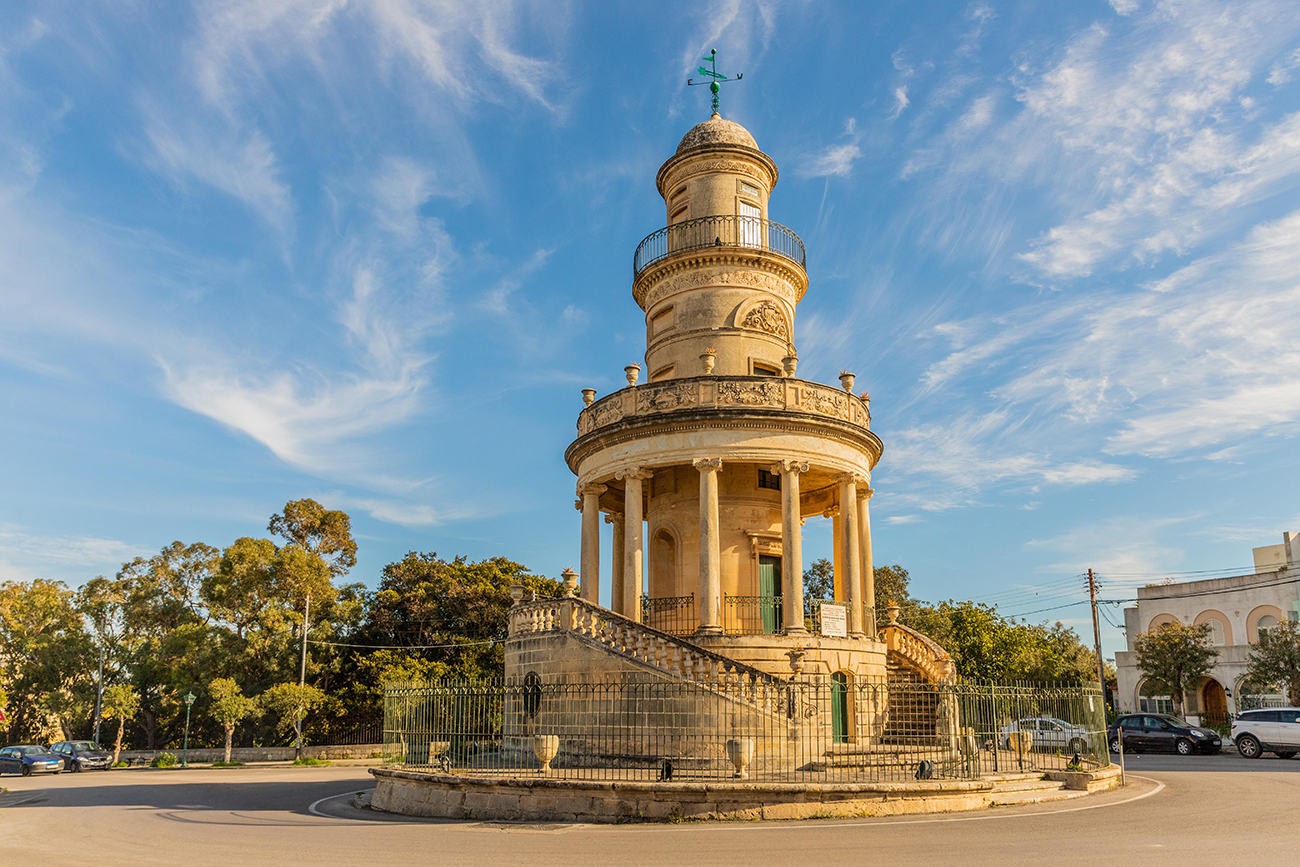
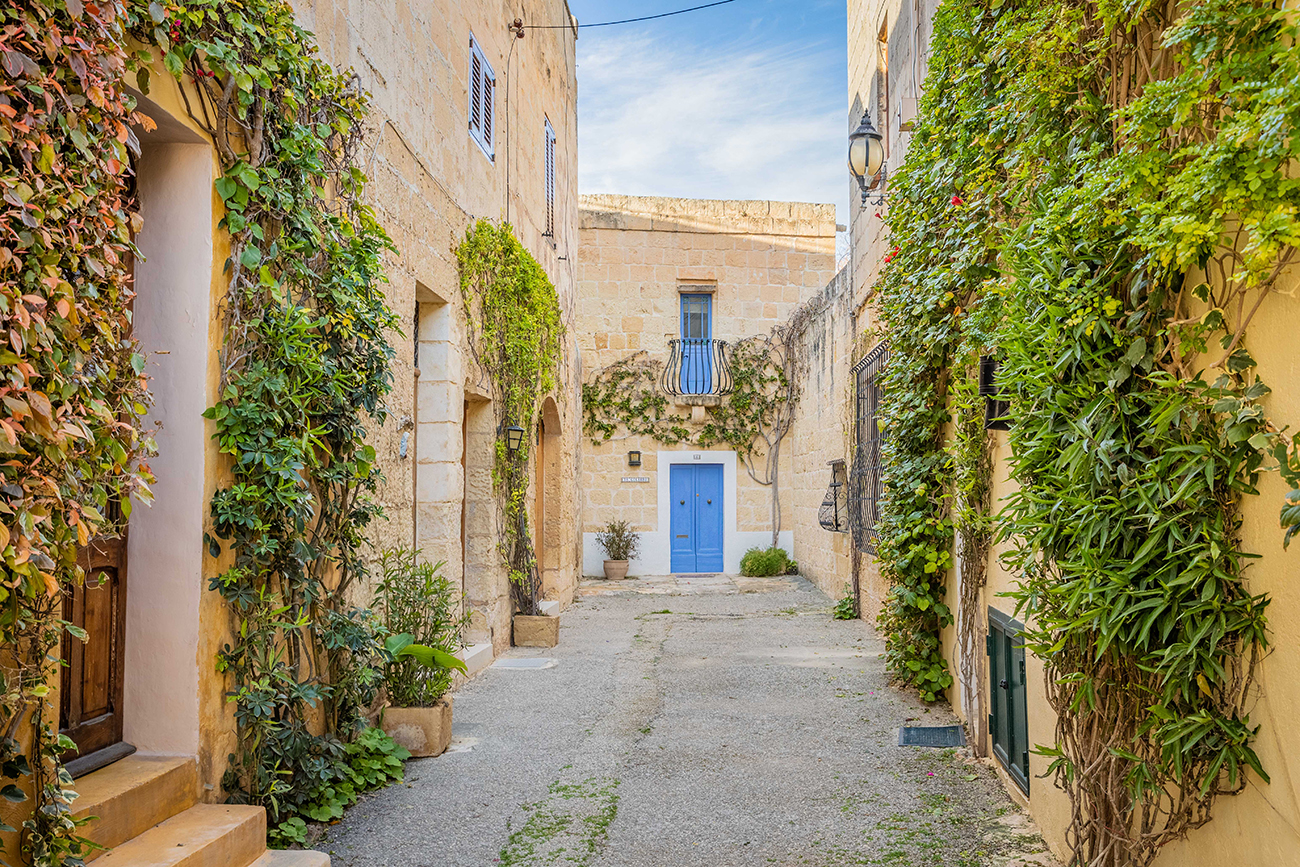
Lija offers a lifestyle built around genuine charm, best captured the moment you arrive. Transfiguration Avenue, lined with oleander trees, forms one of the prettiest entrances to any village on the island, leading past the historic Belveder and into the church square. From there, narrow, winding streets, many wide enough for only one direction of traffic, reveal traditional Maltese balconies, corner niches and iron-railed geranium boxes at every turn.
Lija became an independent parish in 1594, having previously formed part of neighbouring Birkirkara, and its baroque Parish Church of the Transfiguration, designed by local architect Giovanni Barbara and consecrated in 1782, remains the village’s spiritual and architectural heart. Villa Preziosi, an eighteenth-century baroque residence now in government hands, and the old mill near Preca Street add further layers of history. Lija’s citrus heritage lives on too, celebrated each January with its own citrus festival, alongside citrus-flavoured honey still associated with the village.
Because of its heritage, gardens, and central position, Lija strongly appeals to buyers who want a home with real character. Property here leans towards traditional townhouses and converted homes within the historic core, reflecting the village’s status as one of Malta’s most sought-after addresses.
Feast Celebrations
Lija’s patron feast honours the Transfiguration of Our Lord, and it takes place on 6 August, with celebrations building from late July. The feast is genuinely legendary across Malta for its fireworks, with the village’s pyrotechnic societies staging aerial and ground displays, including the spinning ġiġifogu, considered among the very finest on the island. The titular statue, crafted from papier-mâché in 1864 by celebrated sculptor Carlo Darmanin, is carried through streets lined with red and gold drapery, accompanied by band marches and the joyful noise that defines a proper Maltese festa.
Restaurants and Dining
Lija’s dining scene reflects its village scale, centred around Bakery Street and the church square. Grasshopper Bar, Rokko’s Wine Bar and Tal-Villagg all offer relaxed spots for a drink or a casual bite, while Tat-Torri Confectionery on Transfiguration Avenue and Bonaci near the parish church are well-loved for traditional Maltese sweets. For a wider choice, the restaurants of neighbouring Attard and Balzan sit just minutes away.
Grocery Shops and Everyday Amenities
Lija covers day-to-day basics at a handful of small local shops in the village, including Melania Store on Narrow Street. For a fuller weekly shop, residents typically head to nearby Birkirkara or Attard, both of which offer a wider range of supermarkets and services just a short drive away.
Transport Links
Lija connects to the rest of the island by bus, with routes 41, 42 and 43 running between the village and Valletta in around thirty minutes. For drivers, Lija’s central position keeps journeys into Birkirkara, Attard and the rest of central Malta comfortably short.
Special Designated Areas (SDA)
Lija does not currently have a Special Designated Area. So if you are a non-EU buyer who specifically needs SDA status, which removes the standard property permit requirement, you may want to look at areas such as Portomaso or Tigné Point instead. That said, Lija remains fully open to EU buyers, and non-EU buyers can also purchase here through the standard Acquisition of Immovable Property (AIP) permit process. Either way, its heritage and central position keep demand consistently strong.
Nearby Beaches
Lija sits inland, so it has no coastline of its own. Even so, its central position keeps the coast within easy reach. Sliema and St Julian’s, both offering easy access to the sea, sit within a comfortable drive, while the beaches of the north coast are also reachable without too long a journey. So a day by the sea fits easily into life in Lija, without ever feeling far off.
Nightlife in Lija
While Lija is predominantly a residential area with a serene atmosphere, it offers a modest yet charming nightlife. The village is known for its local pubs and small bars where residents and visitors can enjoy a relaxed evening. The local establishments often host traditional Maltese events and gatherings, providing a glimpse into the island’s cultural heritage. Although Lija does not boast a bustling nightlife scene like other urban areas, its quiet charm offers a unique experience for those seeking a more laid-back evening.
Why Choose Lija
Lija offers something genuinely special on the island: real village elegance, deep tradition, and a fireworks display that draws crowds from across both islands. Because of this, it continues to attract buyers who want character and community in equal measure. Whether you are drawn to Transfiguration Avenue, the citrus festival, or simply the spectacle of its August festa, Lija offers a genuinely charming home in the heart of Malta.
BUY
Properties For Sale in Lija
RENT
Properties For Rent in Lija
Localities
Discover other Maltese localities
Take a deep dive and browse the Maltese localities and local insights to see if the homes for sale/rent are right for you.