Zejtun
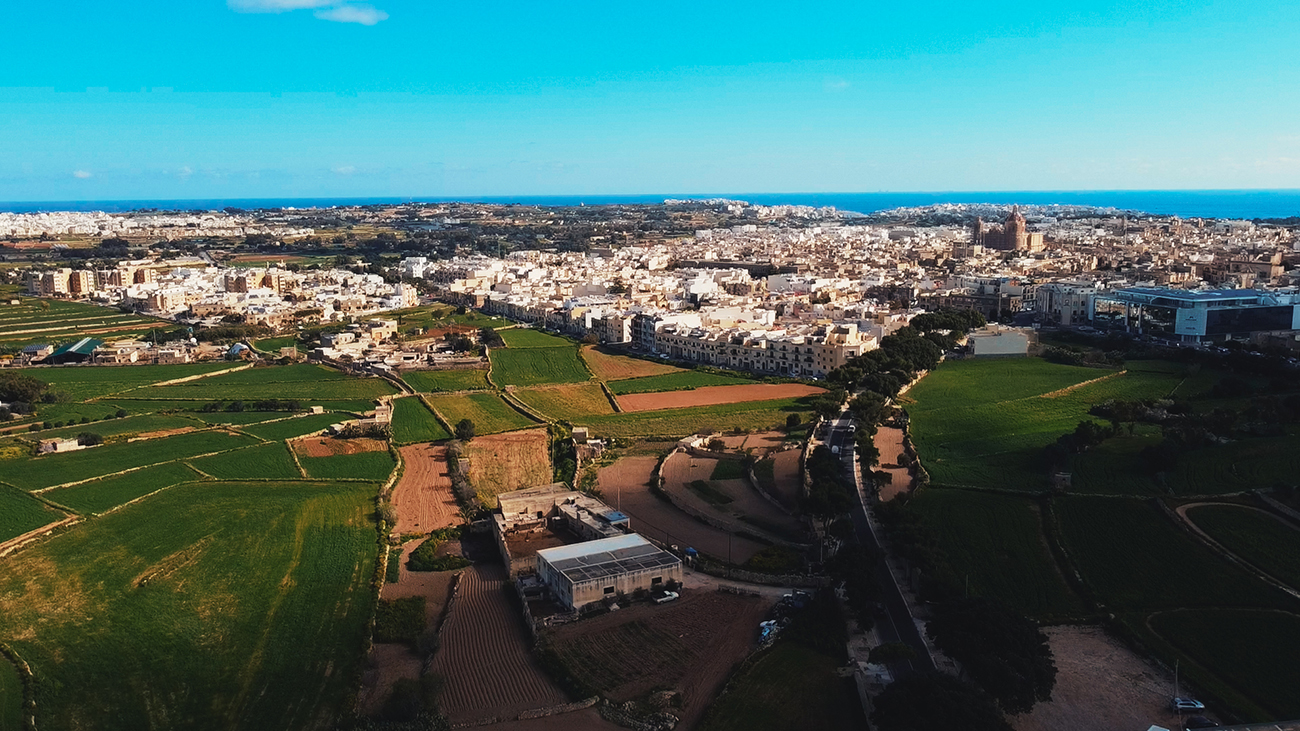
Zejtun, located in the southeastern region of Malta, is a town that beautifully blends its historical legacy with modern-day conveniences. Known for its rich history, charming architecture, and warm community, Zejtun offers a unique living experience that appeals to locals and expatriates alike. Let’s explore the history, modern status, nightlife, and property market in Zejtun.
History
Zejtun’s roots stretch deep into Malta’s history, with its name originating from the Arabic word for olive, “Zaytun,” reflecting the town’s long-standing connection with olive cultivation. The town’s history dates back to Roman times, and some archaeological discoveries indicate that the area was inhabited even earlier. In the medieval period, Zejtun became an important agricultural hub, particularly during the time of the Knights of St. John.
One of Zejtun’s most significant historical landmarks is the Parish Church of St. Catherine, an exquisite baroque building designed by renowned architect Lorenzo Gafà in the late 17th century. The town is also home to the remains of older churches and chapels, such as the Old Church of St. Gregory, a relic of Malta’s medieval past.
During the Great Siege of 1565, Zejtun was one of the main areas where the Maltese took shelter, and over the centuries, it evolved into a vibrant town. The Festa of St. Catherine, celebrated annually in late summer, showcases Zejtun’s strong community spirit and its devotion to its religious and cultural heritage.
Where Żejtun Sits on the Island
Żejtun falls within the Southern Region of Malta. Because of its position in the south-east, most people describe it simply as part of the South East. It is a substantial city, home to just under 12,800 residents. In the past, its territory covered most of the south-east of the island, but over the centuries several villages and hamlets grew away from it through urbanisation.
Żejtun borders Fgura, Għaxaq, Marsaskala, Marsaxlokk, Santa Luċija, Tarxien and Żabbar. As a result, you can reach the Three Cities, the airport and the south-east coast within a short drive.
Żejtun sits in the south-east of Malta, and it is one of the island’s oldest and most historic towns. Its name comes from the Arabic word for olive, and its olive heritage still shapes local life, from the September olive festival to the town’s own motto. So whether you want a traditional town with real history, a strong community, or an affordable base close to the south-east coast, Żejtun deserves a serious look. Your next chapter starts here.
Schools in the Area
Żejtun is well served for schooling. St Thomas More Secondary School sits in the town, and there are further church, state and independent options in the surrounding area. In addition, Marsaskala, Fgura and Tarxien are all close by. So families here have plenty of choice at every stage of education.
Lifestyle in Zejtun
Żejtun offers a lifestyle built on heritage, tradition and a close-knit community. The town’s name comes from the Arabic word for olive, a nod to the olive groves and oil presses that once defined the area. Its motto, Frott iż-Żebbuġ Ismi, means “the fruit of the olive is my name.” Before the Knights arrived, the village was known as Casale Santa Caterina, and the parish already existed in 1436. Today, an annual festival each September celebrates the olive-picking and olive-pressing season.
The town’s history runs deep. The remains of a Roman villa lie in the grounds of the St Thomas More Secondary School, with areas of original Roman tiling and coloured stucco still visible. Nearby, the Old Church of St Catherine, better known as St Gregory’s, sits at the end of a ridge overlooking the south-east coast. Żejtun also holds a dramatic chapter in national history. In July 1614, the Ottoman Empire made its last major attack on Malta, landing thousands of men at St Thomas Bay. Many of the fighting and burning took place in and around Żejtun, and the event is remembered locally as the “last attack.” In addition, Villa Cagliares, a seventeenth-century baroque country villa, stands in the town.
Because of its history, its size and its relatively affordable prices, Żejtun suits a wide range of buyers. Property ranges from traditional townhouses in the old streets to newer apartments and maisonettes on the outskirts. However, the older core has narrow streets, so parking can be limited.
Feast Celebrations
Żejtun’s patron is St Catherine of Alexandria, and the festa is celebrated in summer. On the day, the town’s two rival bands, the Banda Beland and the Żejtun Band, perform in Gregorio Bonnici Square, which gives the celebration a strong, friendly sense of rivalry. In addition, the Feast of St Gregory is held on Easter Wednesday. The procession begins at the Chapel of St Clement, just over a kilometre from St Gregory’s church, and it ends there with a Mass. So Żejtun has an unusually rich festa calendar, from spring to summer.
Restaurants and Dining
Żejtun has a relaxed local dining scene, with cafés, bakeries and family-run eateries around the main square and the surrounding streets. For a wider choice, Marsaxlokk’s seafood restaurants and Marsaskala’s promenade are both a short drive away. As a result, residents can enjoy a quiet home base with some of the south’s best dining close by.
Grocery Shops and Everyday Amenities
Żejtun is well served for everyday needs, with local shops, bakeries, pharmacies and banks spread through the town. For a fuller weekly shop, Fgura and Marsaskala both offer a wider range of supermarkets and services within a short drive.
Transport Links
Żejtun connects to the rest of the island by road and by bus. Services link the town to Valletta and nearby localities such as Marsaxlokk, Marsaskala and the Three Cities. For drivers, its position keeps journeys to the airport, the harbour region and the south-east coast comfortably short.
Special Designated Areas (SDA)
Żejtun does not currently have a Special Designated Area. So if you are a non-EU buyer who specifically needs SDA status, which removes the standard property permit requirement, you may want to look at nearby options such as Ta’ Monita Residence in Marsaskala, or at areas such as Portomaso or Tigné Point instead. That said, Żejtun remains fully open to EU buyers, and non-EU buyers can also purchase here through the standard Acquisition of Immovable Property (AIP) permit process. Either way, its history and its affordability keep demand steady.

Nearby Beaches
Żejtun sits inland, so it has no coastline of its own. Even so, the south-east coast is close. St Thomas Bay and Marsaskala are a short drive away, as is Marsaxlokk harbour, and St Peter’s Pool is reachable within a comfortable journey. So a day by the sea fits easily into life in Żejtun.
Nightlife in Zejtun
Zejtun’s nightlife is relatively low-key compared to other parts of Malta like St. Julian’s or Sliema. The town offers a more relaxed atmosphere, with several local bars and restaurants where residents and visitors can enjoy traditional Maltese food and wine. Zejtun’s local festas and cultural events often serve as the highlight of the social calendar, with live music, fireworks, and street parties creating a lively yet intimate nightlife experience.
For those looking for a more vibrant nightlife, Zejtun’s proximity to Marsaxlokk and Birzebbuga means that more lively beach bars and dining options are just a short drive away. Valletta’s diverse cultural scene is also within easy reach.
Why Choose Żejtun
Żejtun offers something rare on the island: real history, a strong community and a position close to the south-east coast, all at a more accessible price than the busier harbour towns. Because of this, it continues to attract families, first-time buyers and buyers who want character in a quieter setting. Whether you are drawn to its olive heritage, its Roman villa, or its lively festa, Żejtun offers a genuinely traditional home in the south of Malta.
BUY
Properties For Sale in Zejtun
RENT
Properties For Rent in Zejtun
Localities
Discover other Maltese localities
Take a deep dive and browse the Maltese localities and local insights to see if the homes for sale/rent are right for you.