Santa Venera
Santa Venera is a town located in the central region of Malta, known for its rich history, lively nightlife, modern amenities, and a growing real estate market. This vibrant town, though small in size, plays a significant role in the Maltese urban landscape.
History in Santa Venera
Santa Venera’s history dates back to the time of the Knights of St. John, who established various infrastructures in the area due to its strategic location between Valletta and Mdina. The town is named after St. Venera, a Christian martyr, and became more prominent with the construction of the Wignacourt Aqueduct in the early 17th century. This aqueduct, which was built to supply water to Valletta, is one of Santa Venera’s most notable historical landmarks, with several arches still visible today. Over the centuries, the town developed into a suburban area, attracting residents due to its proximity to major cities and its peaceful environment.
Where Santa Venera Sits on the Island
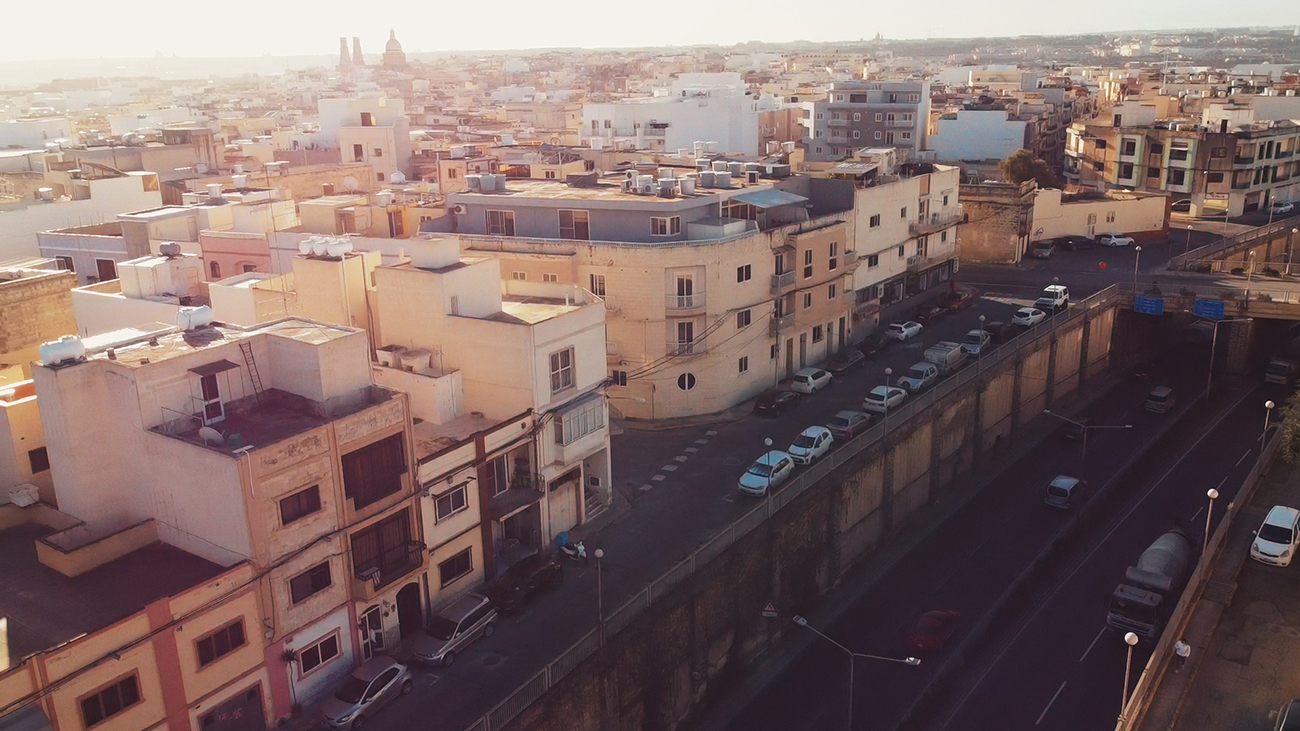
Santa Venera falls within the Northern Harbour District, in Malta’s Southern Region. Because of its position directly between Birkirkara and Ħamrun, most people describe it as part of the central-harbour area. It is a genuinely small, densely populated town, home to just under 9,800 residents packed into only 0.9 square kilometres, and its motto, Virtus in infirmitate perficitur, translates roughly as “virtue is perfected in weakness.”
Santa Venera borders Birkirkara, Ħamrun, Msida and Qormi. As a result, you can reach Valletta, the University area, and the rest of central Malta all within a short drive.
Santa Venera sits between Birkirkara and Ħamrun, right at the centre of Malta’s harbour region, and it carries a genuinely distinctive piece of seventeenth-century engineering running straight through it. The Wignacourt Aqueduct, built by the Knights of St John, still stands here, a living reminder of how long this small, densely packed town has played a role in Malta’s story. So whether you want real heritage or an unbeatable central position, Santa Venera deserves a serious look. Your next chapter starts here.
Schools in the Area
Santa Venera itself stays small and densely residential, with no major school directly in the town centre. Because it borders Birkirkara, Ħamrun and Msida, families have easy access to a wide range of church, state and independent schools just a short walk or drive away.
Lifestyle in Santa Venera
Santa Venera offers a lifestyle shaped by genuine history running directly through its streets. The town’s original church dates back to 1473, enlarged in 1500 and rebuilt twice over the following centuries, but its most recognisable landmark remains the Wignacourt Aqueduct, completed in 1615 under Grandmaster Alof de Wignacourt, whose coat of arms, featuring the fleur-de-lys symbol, gave the neighbouring area its name. An ornamental gateway, the Wignacourt Arch, still marks where the aqueduct once crossed the road into what is now Fleur-de-Lys.
Santa Venera only became a separate parish in 1918, having previously formed part of neighbouring Birkirkara, and the Fleur-de-Lys district itself split away as its own parish later still, in 1975, after growing rapidly during the Second World War as refugees from the bombed-out Three Cities resettled there. Casa Leoni, another building dating back to the era of the Knights, adds further historical weight to the town, while the large parish church, construction on which began in 1990, reflects Santa Venera’s more recent growth.
Because of its central position, its history and its genuinely dense, urban character, Santa Venera suits buyers who want real proximity to Valletta and the rest of the harbour region, often at a more accessible price point than its larger neighbours. Property here tends towards traditional townhouses and apartments, reflecting the town’s long-established urban footprint.
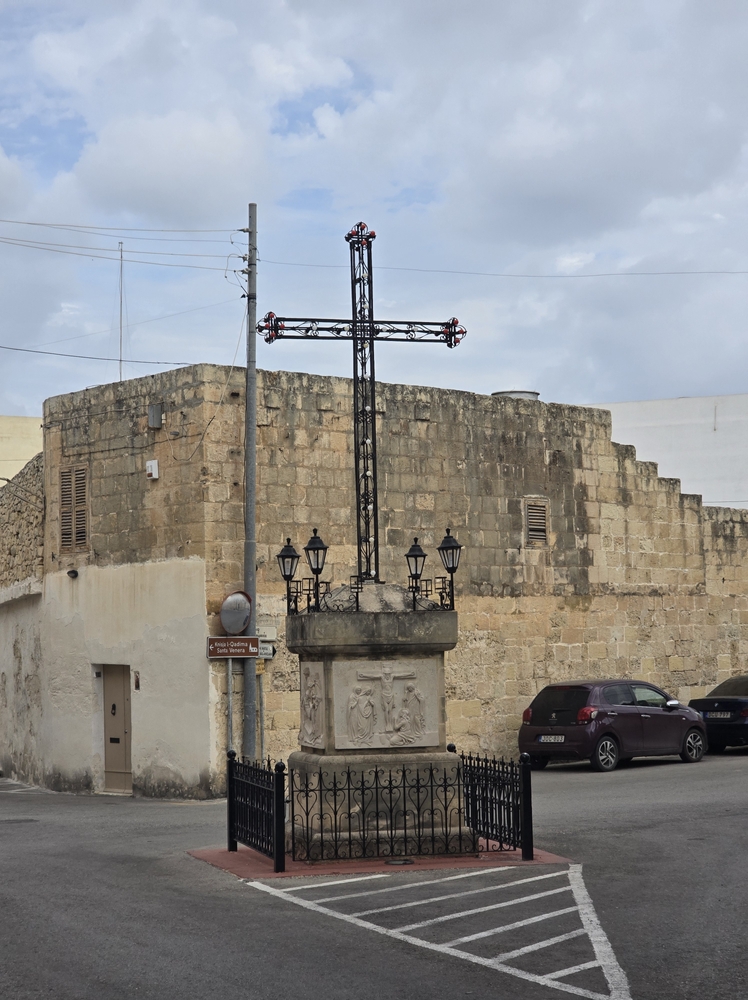
Feast Celebrations
Santa Venera’s patron is St Venera, with the main feast celebrated on the last Sunday of July, and a secondary commemoration held on 14 November. The town’s band club, the Santa Venera Philharmonic Society, along with its youth and festa committees, continue to organise these celebrations, keeping the town’s festa traditions active despite its relatively modest size.
Restaurants and Dining
Santa Venera’s dining scene reflects its small, central position, with a handful of local cafes and eateries serving the town day to day. For a wider choice, residents typically head into neighbouring Birkirkara or Ħamrun, both just a short walk or drive away, for a fuller range of restaurants and evening dining options.
Grocery Shops and Everyday Amenities
Santa Venera covers everyday basics through a selection of local shops within the town. For a fuller weekly shop, residents typically head into nearby Birkirkara, which offers a wider range of supermarkets and services just a short drive away.
Transport Links
Santa Venera sits within one of the busiest stretches of Malta’s road and bus network, thanks to its position between Birkirkara and Ħamrun. Its central location means routes connecting Valletta to Birkirkara, Mosta and the rest of central Malta all pass through or near the town regularly. For drivers, Santa Venera’s position keeps journeys into Valletta and around the harbour region short, though the area experiences significant through-traffic given its central role.
Special Designated Areas (SDA)
Santa Venera does not currently have a Special Designated Area. So if you are a non-EU buyer who specifically needs SDA status, which removes the standard property permit requirement, you may want to look at areas such as Portomaso or Tigné Point instead. That said, Santa Venera remains fully open to EU buyers, and non-EU buyers can also purchase here through the standard Acquisition of Immovable Property (AIP) permit process. Either way, its central position and more accessible pricing keep demand consistently steady.
Nearby Beaches
Santa Venera sits inland, so it has no coastline of its own. Even so, its central position keeps the coast within easy reach. Sliema and St Julian’s, both offering easy access to the sea, sit within a comfortable drive, while the beaches of the north coast are also reachable without too long a journey. So a day by the sea fits easily into life in Santa Venera, without ever feeling far off.
Nightlife in Santa Venera
While Santa Venera may not be the epicenter of Malta’s nightlife, it offers a more relaxed and intimate experience compared to the bustling hubs of St. Julian’s or Paceville. The town has a selection of local bars and restaurants where one can enjoy Maltese cuisine and a quiet drink. The social scene is characterized by a friendly, community-oriented atmosphere, with several small venues offering live music, karaoke, and themed nights. Additionally, Santa Venera’s central location makes it easy for residents and visitors to access the more vibrant nightlife in neighboring towns, providing a balanced mix of tranquility and excitement.
Why Choose Santa Venera
Santa Venera offers something genuinely practical on the island: real history, including a working piece of Knights-era engineering, paired with one of the most central positions anywhere in Malta. Because of this, it continues to attract buyers who want proximity to Valletta without the premium price tag of Sliema or the capital itself. Whether you are drawn to the Wignacourt Aqueduct, its central location, or simply its everyday convenience, Santa Venera offers a genuinely well-positioned home at the heart of Malta’s harbour region.
BUY
Properties For Sale in Santa Venera
RENT
Properties For Rent in Santa Venera
Localities
Discover other Maltese localities
Take a deep dive and browse the Maltese localities and local insights to see if the homes for sale/rent are right for you.