Mtarfa
History
Mtarfa is a quaint town in western Malta. Historically, Mtarfa has played a significant role in the island’s development due to its strategic location. It began as a Roman settlement and was later utilised by the British as a military base during their rule over Malta. The Mtarfa Clock Tower, built in the early 20th century, stands as a reminder of this period and is one of the town’s iconic landmarks.
During the British era, the town became known for its military hospital, which catered to soldiers injured in various conflicts. After Malta gained independence in 1964, Mtarfa slowly transitioned from a military hub into a residential town. Its historical architecture and beautiful landscapes continue to attract those interested in Malta’s rich history.
Where Mtarfa Sits on the Island
Mtarfa falls within the Western District, in Malta’s Northern Region. Because of its position on high ground beside Mdina, most people describe it simply as one of the central-west villages. It is a genuinely small town, home to just over 2,600 residents, and its name is thought to mean “lookout point” or “on the edge,” a fitting reference to its elevated setting.
Mtarfa borders Attard, Mdina and Rabat. As a result, while the town itself stays quiet and residential, Malta’s historic old capital sits immediately next door, with the rest of central Malta just a short drive away.
Mtarfa sits on high ground right next to Mdina, and it remains one of the youngest and quietest localities on the island, only becoming its own council in the year 2000. Shaped almost entirely by its British military past, the town offers a genuinely calm, residential setting with some of the best views towards Malta’s old capital. So if you want a peaceful base close to Mdina and Rabat, Mtarfa deserves a serious look.
Schools in the Area
Mtarfa is home to the Sir Temi Zammit Secondary School, housed within the former military hospital, giving the town a genuine educational anchor within its own boundaries. Because it also borders Attard, Mdina and Rabat, families have further access to a wide range of church, state and independent schools just a short drive away.
Lifestyle in Mtarfa
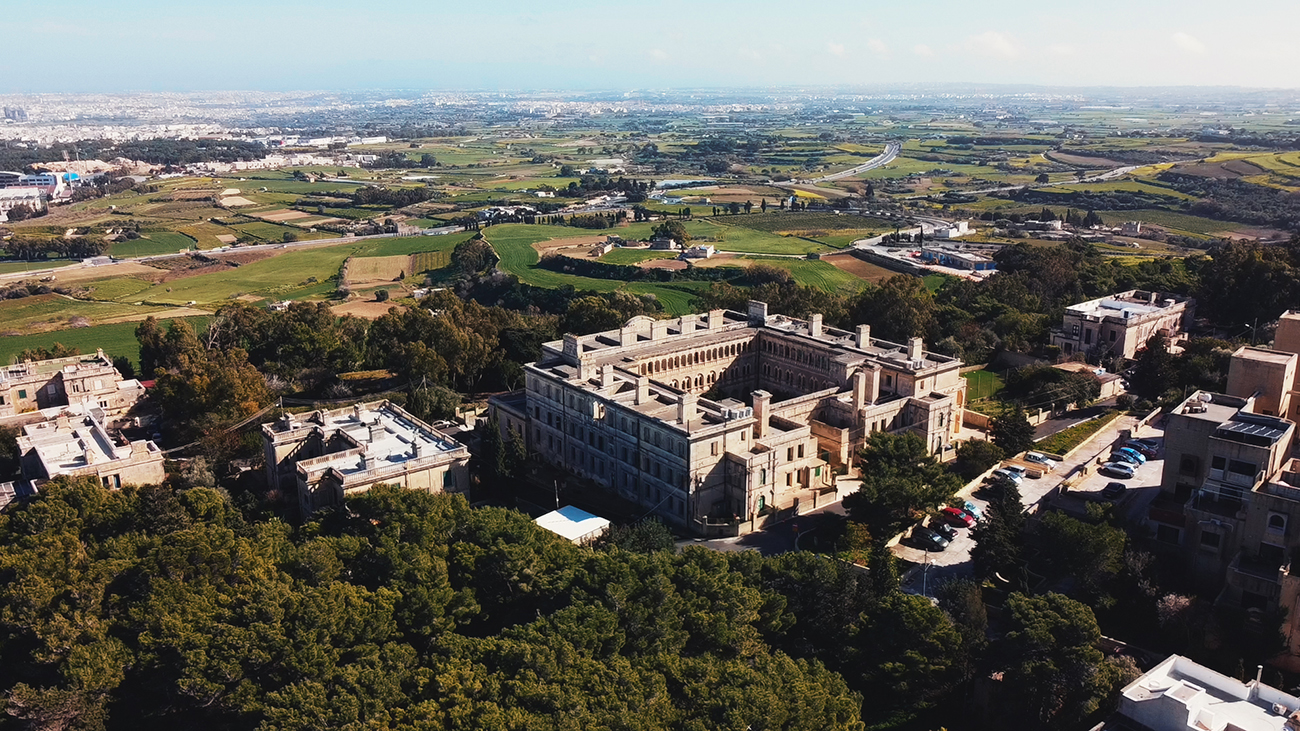
Mtarfa offers a lifestyle unlike almost anywhere else on the island, shaped entirely by a chapter of British military history. For centuries, the area was little more than fertile farmland between the Qlejja and Busbies valleys, home to a scattering of watermills and a small medieval chapel dedicated to St Lucy, first recorded in 1460. That changed dramatically from 1890, when the British Army built extensive military barracks here, followed by a hospital constructed between 1915 and 1920 to treat casualties from the Dardanelles campaign of the First World War.
Much of that military infrastructure still defines the town today. The Mtarfa Clock Tower, completed in 1895, remains the town’s most recognisable landmark, while the former Royal Naval Hospital has since been converted into a state secondary school, named after the pioneering Maltese archaeologist Sir Temi Zammit. St Oswald’s Church, built by the British in 1921 for naval personnel, still stands within the former barracks grounds. Following the British withdrawal, much of this infrastructure was gradually converted for civilian use, and Mtarfa has since grown into a genuine residential town, with former barracks transformed into housing estates alongside newer villas.
Because of its quiet character, elevated setting, and proximity to Mdina, Mtarfa suits buyers who want a peaceful residential base near Malta’s historic heartland. Property here ranges from converted military-era buildings to more modern homes across the town’s newer developments.
Feast Celebrations
Mtarfa’s patron feast honours St Lucy, and it takes place on 13 December, tied to the small medieval chapel that has stood in the area since at least the fifteenth century. As a young, small parish, formerly served by rectors from neighbouring Rabat, Mtarfa’s feast has a genuinely intimate, community-focused character rather than the scale seen in Malta’s larger summer festas.
Restaurants and Dining
Mtarfa’s dining scene reflects its small, residential character, with a handful of local cafes and eateries serving the town day-to-day. For a wider choice, residents typically head into neighbouring Rabat or Mdina, both just a short walk or drive away, for a fuller range of restaurants and evening dining options.
Grocery Shops and Everyday Amenities
Mtarfa covers everyday basics through a small selection of local shops within the town. For a fuller weekly shop, residents typically head into nearby Rabat, which offers a wider range of supermarkets and services just a short drive away.
Transport Links
Mtarfa is served by Malta Public Transport bus routes connecting the town to Rabat and Mdina, and onwards to Valletta and the rest of the island. For drivers, Mtarfa’s position right beside Mdina and Rabat keeps journeys into central Malta short and straightforward.
Special Designated Areas (SDA)
Mtarfa does not currently have a Special Designated Area. So if you are a non-EU buyer who specifically needs SDA status, which removes the standard property permit requirement, you may want to look at areas such as Portomaso or Tigné Point instead. That said, Mtarfa remains fully open to EU buyers, and non-EU buyers can also purchase here through the standard Acquisition of Immovable Property (AIP) permit process. Either way, its quiet setting and proximity to Mdina keep steady, long-term interest alive.
Nearby Beaches
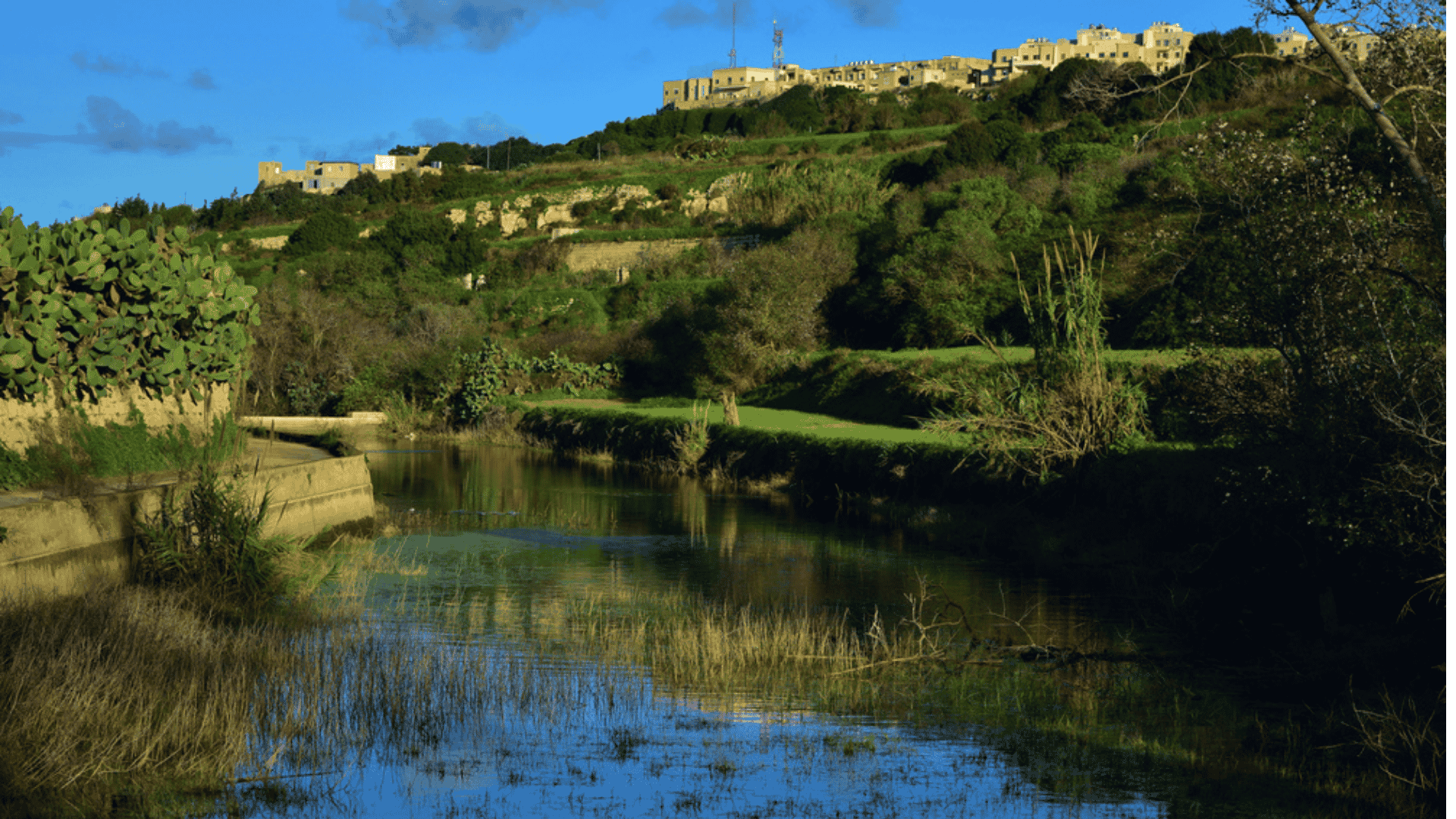
Mtarfa sits on high ground at the centre of the island, so it has no coastline of its own. Even so, its position keeps the coast within reasonable reach. Golden Bay and the northwest coast, along with Dingli Cliffs just to the south, are both reachable within a comfortable drive, offering a genuine change of scenery from the town’s hilltop setting. So while Mtarfa trades sea views for history and elevation, the coast is never too far off.
Nightlife in Mtarfa
While Mtarfa is not known for its vibrant nightlife compared to other areas in Malta such as St. Julian’s or Valletta, it offers a more relaxed and peaceful atmosphere. Nightlife in Mtarfa revolves around community events, local pubs, and small gatherings that exude a laid-back vibe. Residents often enjoy spending their evenings at local wine bars, where they can appreciate Maltese wines and dishes.
For those seeking more dynamic nightlife, Mtarfa’s central location allows easy access to neighbouring towns and cities, such as Rabat and Mdina. Mdina, known as the “Silent City,” offers a unique nightlife experience, with rooftop bars and restaurants providing stunning views of the island. Overall, Mtarfa caters more to those who appreciate tranquillity and a slower pace, making it ideal for people looking to unwind after a busy day.
Why Choose Mtarfa
Mtarfa offers something genuinely distinctive on the island: a quiet, residential town built almost entirely on its British military heritage, sitting right beside Malta’s ancient walled city. Because of this, it continues to attract buyers who want genuine calm without leaving Mdina and Rabat far behind. Whether you are drawn to its clock tower, its history, or simply its peaceful hilltop setting, Mtarfa offers a genuinely quiet home at the heart of Malta.
BUY
Properties For Sale in Mtarfa
RENT
Properties For Rent in Mtarfa
Localities
Discover other Maltese localities
Take a deep dive and browse the Maltese localities and local insights to see if the homes for sale/rent are right for you.