Mqabba
Mqabba, a picturesque village in southern Malta, offers a unique blend of historical charm and modern living. Known for its rich cultural heritage and serene environment, Mqabba has evolved significantly over the years. This summary delves into the village’s nightlife history, current status, and real estate market, providing a comprehensive look at what makes Mqabba a notable destination.
Where Mqabba Sits on the Island
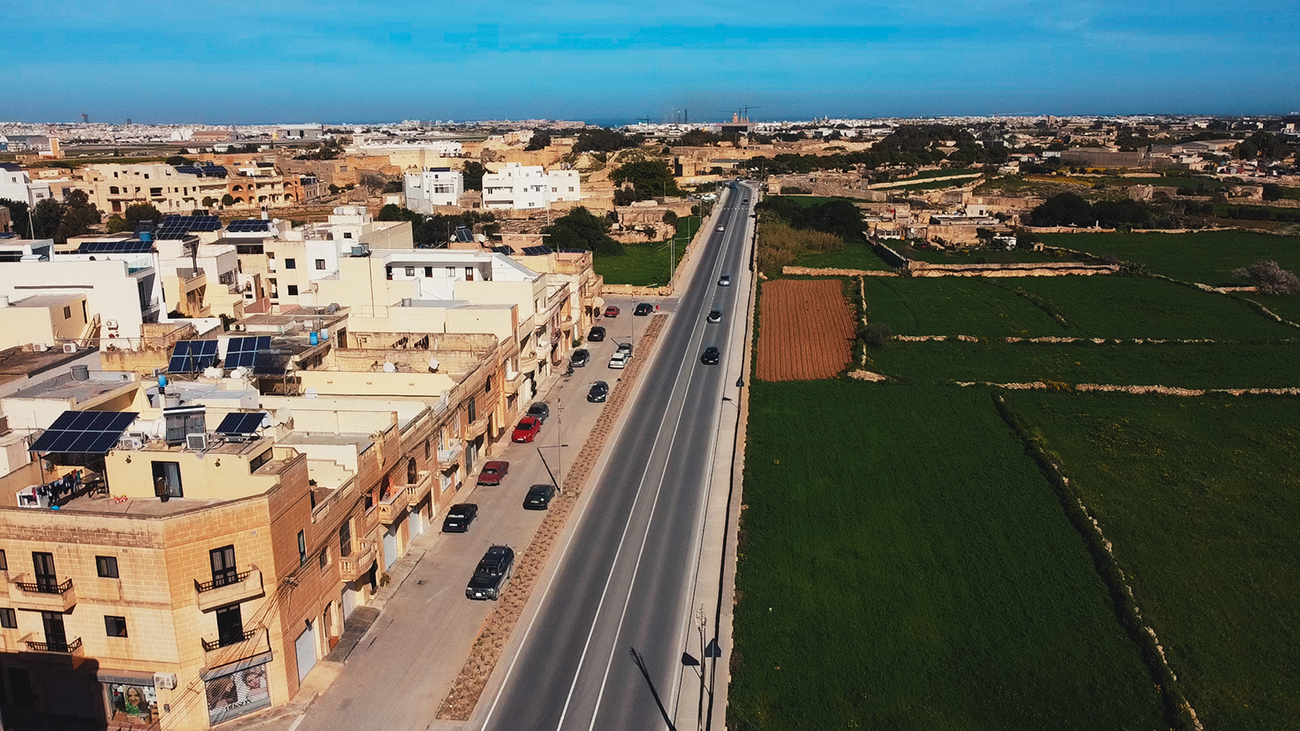
Mqabba falls within the South Eastern District, in Malta’s Western Region. Because of its southern location, most people simply describe it as part of the South. It remains a genuinely small village, home to just over 3,300 residents, and its motto, Non Nisi Per Ardua, translates as “only with ability,” a fitting nod to the quarrying and stonework tradition that has shaped the village for generations.
Mqabba borders Kirkop, Luqa, Qrendi, Siġġiewi and Żurrieq. As a result, you can reach the airport, Żurrieq, and the rest of the south within a short drive.
Mqabba sits in southern Malta, and it holds a genuinely unique place among the island’s villages: it produces the very stone that built much of Malta itself. Beneath its quiet, traditional streets lie the quarries that supply more than a quarter of the island’s construction material. So whether you want authentic village character or a strong sense of local identity, Mqabba deserves a serious look. Your next chapter starts here.
Schools in the Area
Mqabba itself stays small and residential, with no major school directly in the village. Because it borders Luqa, Żurrieq and Siġġiewi, families have easy access to a wider range of church, state and independent schools just a short drive away.
Lifetsyle in Mqabba
Mqabba offers a lifestyle deeply tied to the land beneath it. The village sits at the heart of Malta’s globigerina limestone belt, the honey-coloured stone known locally as ġebla tal-franka, used to build the vast majority of the island’s houses. Quarry work has shaped the local economy for generations, drawing workers not just from Mqabba itself but also from neighbouring Qrendi, Żurrieq, Siġġiewi, Kirkop, Safi and Luqa.
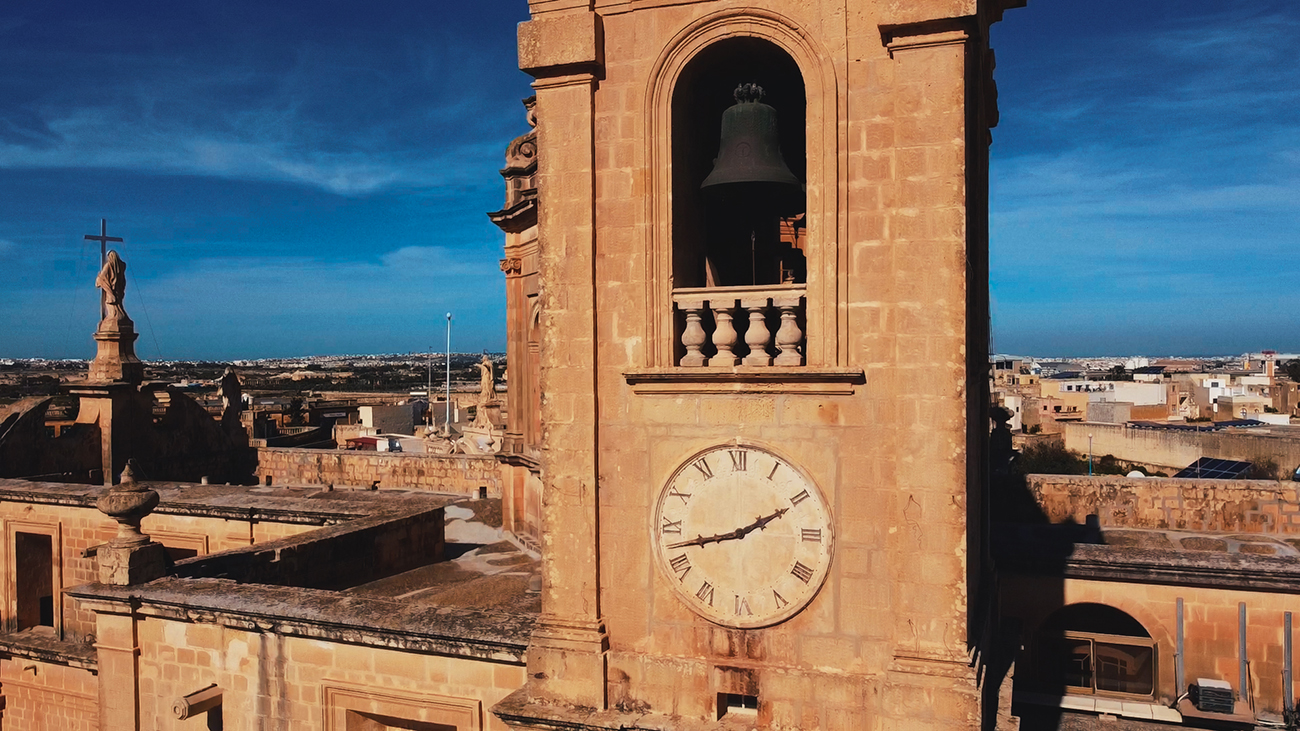
Despite this industrial backbone, Mqabba retains the peaceful stillness of a typical Maltese village, centred on the Parish Church of the Assumption, first established as a parish in 1598, with the current Baroque church completed in 1699. Archaeological finds nearby, including animal remains discovered in the Ta’ Kandja and Tax-Xantin quarries and Neolithic- to Tarxien-period burials found at Bur Meghex, point to a history that stretches back long before the village itself.
Because of its authenticity, quiet streets, and strong local identity, Mqabba suits buyers who want a genuine, unpretentious Maltese village setting. Property here tends towards traditional townhouses within the historic core, built, fittingly, from the very stone quarried nearby.
Feast Celebrations
Mqabba celebrates the feast of the Assumption, known locally as Santa Marija, on 15 August, alongside six other villages, including Qrendi, Gudja, Għaxaq, Mosta, Attard and Victoria in Gozo, that mark the same date. This shared feast day has fuelled a genuinely spirited rivalry between the village’s two band clubs and, in particular, its two internationally renowned fireworks factories, whose displays are among the most anticipated on the island. Mqabba also celebrates a second feast, Our Lady of Lilies, known as Il-Madonna tal-Ġilju, on the third Sunday of June.
Restaurants and Dining
Mqabba’s dining scene reflects its small, residential character, with a handful of local cafes and eateries serving the village day-to-day. For a wider choice, residents typically head into neighbouring Żurrieq or Luqa, both just a short drive away, for a fuller range of restaurants and evening dining options.
Grocery Shops and Everyday Amenities
Mqabba covers everyday basics through a small selection of local shops within the village. For a fuller weekly shop, residents typically head to nearby Żurrieq or Luqa, both of which offer a wider range of supermarkets and services just a short drive away.
Transport Links
Mqabba connects to the rest of the island by bus, with routes serving the village on their way between Valletta and the southern towns of Żurrieq, Qrendi and Siġġiewi. For drivers, Mqabba’s position keeps journeys to the airport, Luqa and the rest of the south comfortably short.
Special Designated Areas (SDA)
Mqabba does not currently have a Special Designated Area. So if you are a non-EU buyer who specifically needs SDA status, which exempts you from the standard property permit requirement, you may want to consider areas such as Portomaso or Tigné Point instead. That said, Mqabba remains fully open to EU buyers, and non-EU buyers can also purchase here through the standard Acquisition of Immovable Property (AIP) permit process. Either way, its authenticity and strong local character keep steady, long-term interest alive.
Nearby Beaches
Mqabba sits inland, so it has no coastline of its own. Even so, the coast stays within easy reach. The Blue Grotto and Għar Lapsi, both known for their striking rock formations and clear water, sit just a few kilometres away, while Munxar and the wider Żurrieq coastline add further options nearby. So a day by the sea fits easily into life in Mqabba, without ever feeling far off.
Nightlife in Mqabba
Traditionally, Mqabba’s nightlife was modest, reflecting its peaceful rural setting. Historically, local social activities centred around community events and village feasts. The village’s tranquil ambience meant that nightlife was more about intimate gatherings and local celebrations than bustling entertainment scenes.
In the past, the main social hubs were the local taverns and parish events, which offered a cosy atmosphere for residents to socialise and enjoy each other’s company. As Malta’s cultural landscape evolved, Mqabba began to see gradual changes in its social life, though the pace remained slower than in the more urbanised parts of the island.
Why Choose Mqabba
Mqabba offers something genuinely distinctive on the island: a real, working village identity, tied directly to the stone that built much of Malta. Because of this, it continues to attract buyers who want authenticity and community above all else. Whether you are drawn to its fireworks rivalry, its ancient quarries, or simply its quiet village charm, Mqabba offers a genuinely grounded home in southern Malta.
BUY
Properties For Sale in Mqabba
RENT
Properties For Rent in Mqabba
Localities
Discover other Maltese localities
Take a deep dive and browse the Maltese localities and local insights to see if the homes for sale/rent are right for you.