Mosta
Mosta, a charming town in Malta, boasts a rich and intriguing history that dates back to antiquity. Nestled in the central part of the island, Mosta is renowned for its historical significance and cultural heritage. The town’s name is derived from the Arabic term “Mosta,” meaning “place of rest.” Mosta’s historical roots can be traced to the Roman period, and it has been a significant settlement throughout Malta’s various historical phases, including the Norman, Sicilian, and British eras.
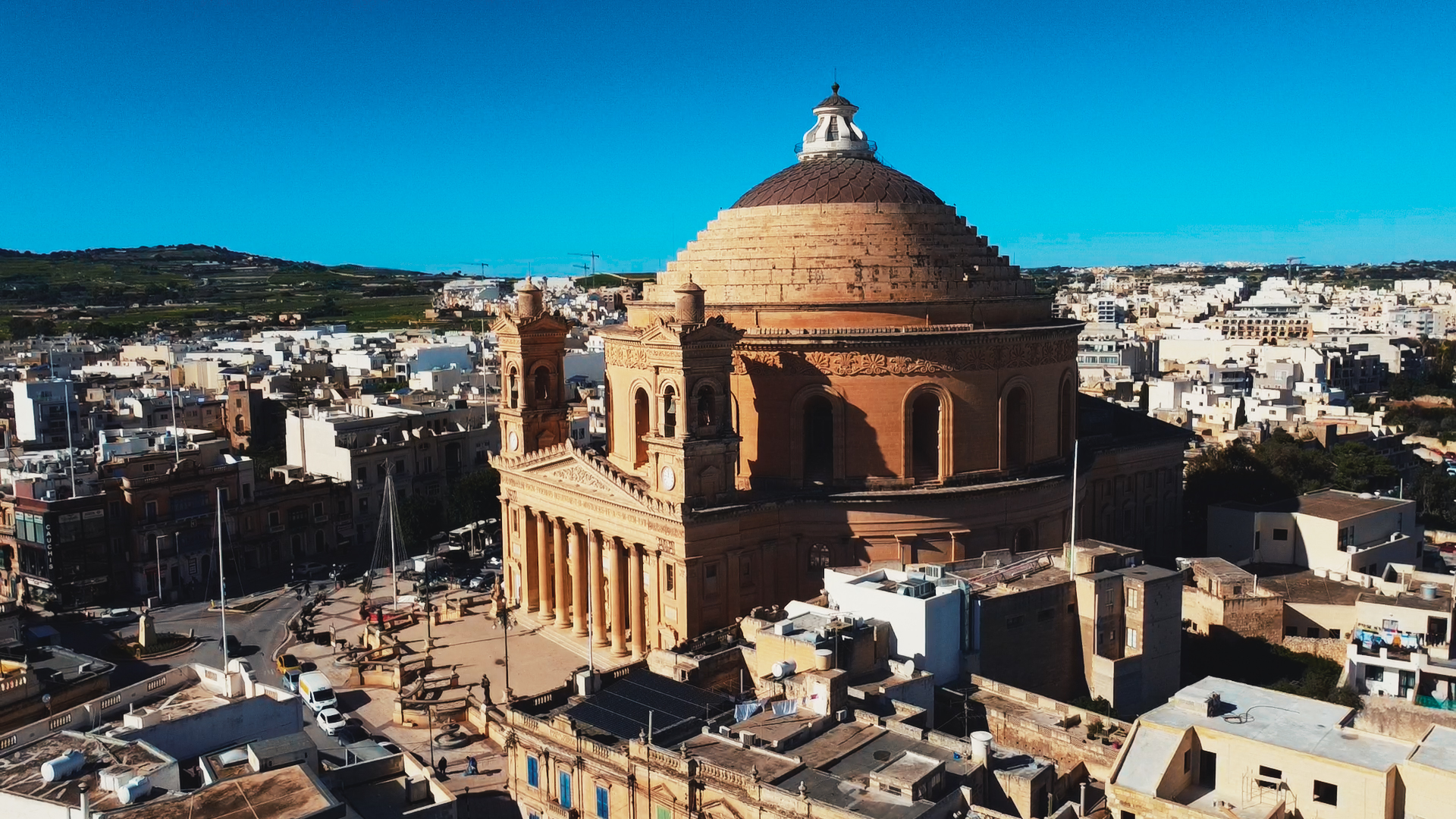
One of the most notable historical landmarks in Mosta is the Rotunda of Mosta, an impressive church built in the 19th century. This architectural marvel is renowned for its massive dome, one of the largest in Europe, inspired by the Pantheon in Rome. During World War II, the Rotunda was famously hit by a German bomb that failed to detonate, a miraculous event that saved many lives and became a symbol of resilience.
Where Mosta Sits on the Island
Mosta falls within the Northern District, in Malta’s Northern Region. Because of its position in the middle of the island, most people describe it as part of central-north Malta, roughly ten kilometres from Valletta. It is genuinely one of the largest towns on the island, home to around 23,000 residents across 6.8 square kilometres.
Mosta borders Attard, Lija, Mġarr, Naxxar, Rabat and St Paul’s Bay. As a result, you can reach central Malta, the north coast, and Rabat’s historic quarter all within a short drive.
Mosta sits at the very centre of Malta, and it has grown into one of the island’s largest and most recognisable towns. Its skyline is dominated by the Rotunda, an extraordinary neoclassical dome built almost entirely by its own parishioners. So whether you want genuine scale, everyday convenience, or a real slice of Maltese history on your doorstep, Mosta deserves a serious look. Your next chapter starts here.
Schools in the Area
Mosta is home to a wide range of local schools that directly serve its large population. Because it also borders Attard, Naxxar and Rabat, families have further access to a strong mix of church, state and independent schools just a short drive away.
Lifestyle in Mosta
Mosta offers a lifestyle that blends genuine scale with real community pride, most visible in the story of its own church. Construction on the Rotunda began in 1833, funded and largely built by the parishioners themselves, and completed by the early 1860s. Its dome, inspired by Rome’s Pantheon, ranks among the largest unsupported domes in the world. During the Second World War, on 9 April 1942, a bomb pierced the dome during Mass, with around 300 people inside, but failed to explode, an event still remembered locally as the Mosta Miracle, with a replica of the bomb on display inside the church.
Beyond the Rotunda, Mosta’s main square and surrounding streets are lined with cafes, pastizzerias and traditional shops, giving the town a genuinely lively, everyday feel. Wied il-Għasel, the Valley of Honey, sits just outside the centre, offering dramatic cliffs and walking trails, while the Ta’ Bistra Catacombs and an aviation museum add further points of interest for residents and visitors alike. Mosta has been inhabited since prehistoric times and once served as a refuge during pirate raids in the Middle Ages, a role reflected in its long, layered history.
Because of its scale, facilities, and central position, Mosta suits a wide range of buyers, from young families to professionals seeking easy access to the rest of the island. Property here ranges from traditional townhouses in the older core to a wide mix of modern apartments across the town’s expanded footprint.
Feast Celebrations
Mosta’s patron feast honours the Assumption of Mary, and it takes place on 15 August, a national public holiday. As one of the most popular feasts in Malta, the celebrations draw thousands of visitors alongside locals, with the town elaborately decorated for weeks beforehand and fireworks lighting up the sky above the Rotunda. Mosta also holds a well-known Good Friday procession, which has been running for over 150 years, along with an Easter Sunday procession carrying the statue of the Risen Christ through the streets.
Restaurants and Dining
Mosta’s dining scene is genuinely extensive, reflecting the town’s size, with numerous restaurants and cafes clustered around the Rotunda Square and along Constitution Street. Traditional pastizzerias serve the classic pastizz and imqaret throughout the day, while the wider selection of restaurants gives residents real variety without needing to leave town for an evening out.
Grocery Shops and Everyday Amenities
Mosta is exceptionally well served for everyday shopping. Constitution Street alone is home to Lidl, Eurospin and Iceland, alongside Risparmio Casa for homeware, while Pama Shopping Village on Triq tal-Pantar adds a further concentration of supermarkets and retail under one roof. Save Wise Supermarket and a Wenzhou Asian Supermarket further round out the choices. So whether you want a quick top-up or a full weekly shop, Mosta keeps almost everything close to home.
Transport Links
Mosta connects to the rest of the island by bus, with routes 42, 103, 203 and 280 all serving stops around Constitution Street in the town centre. Given its central position and size, Mosta functions as a genuine transport hub for the surrounding north, with regular connections to Valletta, the harbour region and the rest of the north coast. For drivers, Constitution Street itself carries significant traffic as a main route connecting the south of the island to the north.
Special Designated Areas (SDA)
Mosta does not currently have a Special Designated Area. So if you are a non-EU buyer who specifically needs SDA status, which removes the standard property permit requirement, you may want to look at areas such as Portomaso or Tigné Point instead. That said, Mosta remains fully open to EU buyers, and non-EU buyers can also purchase here through the standard Acquisition of Immovable Property (AIP) permit process. Either way, its scale and central position keep demand consistently strong.
Nearby Beaches
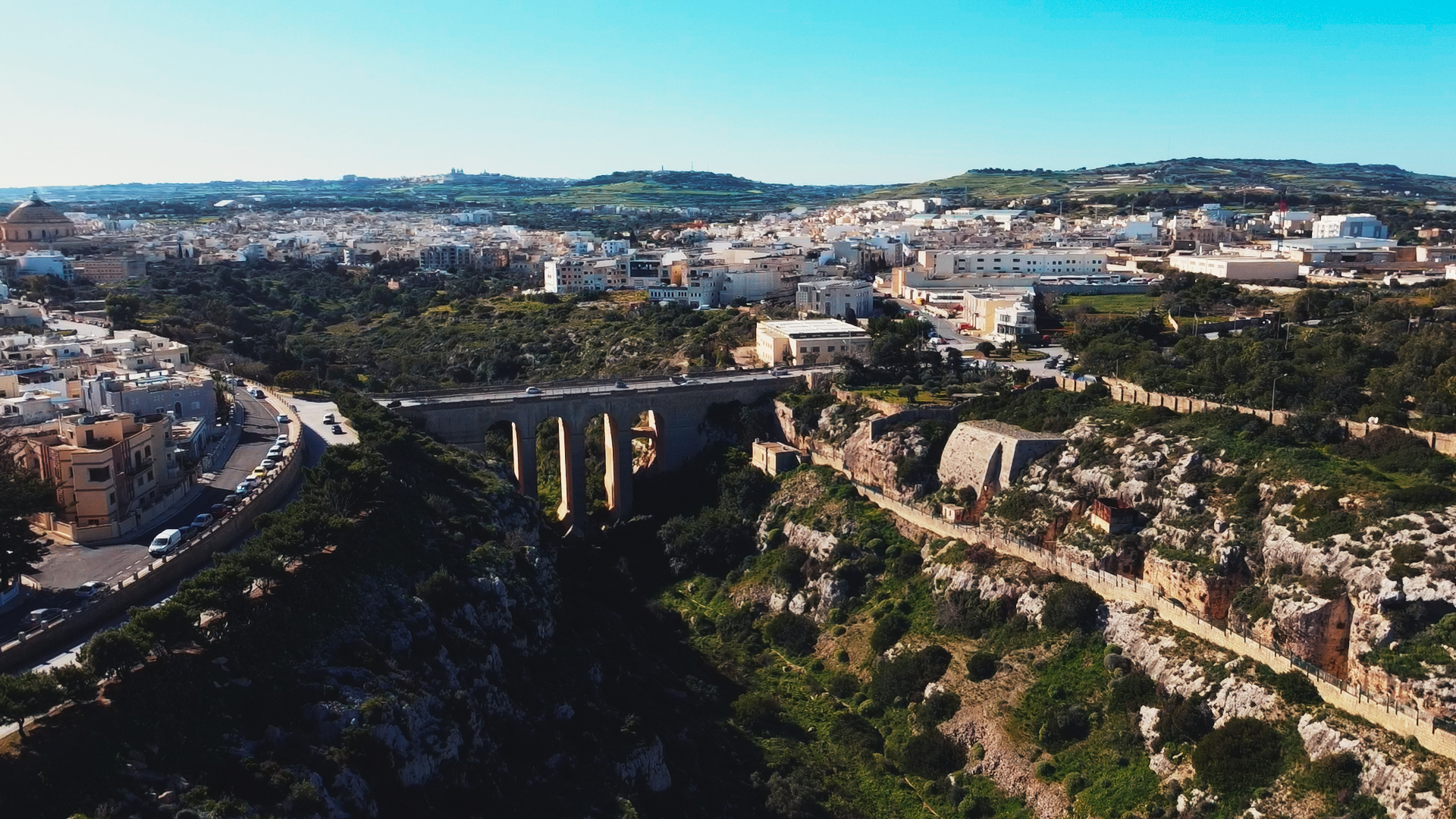
Mosta sits inland at the centre of the island, so it has no coastline of its own. Even so, its position keeps the coast within easy reach. St Paul’s Bay and the beaches of the north coast are just a short drive away, while Golden Bay and Għajn Tuffieħa are also reachable within a comfortable journey. So a day by the sea fits easily into life in Mosta, without ever feeling far off.
Nightlife in Mosta
Mosta offers a vibrant and diverse nightlife scene, reflecting its dynamic and youthful population. The town’s nightlife caters to a variety of tastes, from lively bars and cosy pubs to elegant lounges. The central area of Mosta, particularly around Piazza della Rotunda, features numerous venues where locals and visitors can enjoy a relaxed evening.
Popular spots include trendy bars serving a mix of local and international drinks, as well as venues hosting live music events and DJ sets. The atmosphere in Mosta’s nightlife scene is both welcoming and lively, making it an attractive destination for those looking to unwind after a day of exploration. Additionally, Mosta is home to several annual festivals and events, which further enhance its nightlife appeal by bringing together locals and tourists in celebration.
Why Choose Mosta
Mosta offers something genuinely rare on the island: real scale and everyday convenience, paired with one of Malta’s most extraordinary landmarks right at its centre. Because of this, it continues to attract buyers who want a well-equipped, well-connected base with genuine character. Whether you are drawn to the Rotunda, its lively square, or simply its central position, Mosta offers a genuinely practical home at the heart of Malta.
BUY
Properties For Sale in Mosta
RENT
Properties For Rent in Mosta
Localities
Discover other Maltese localities
Take a deep dive and browse the Maltese localities and local insights to see if the homes for sale/rent are right for you.