Marsascala
Marsascala, a charming coastal town located in the southeastern part of Malta, offers a unique blend of historical richness, vibrant nightlife, modern amenities, and appealing real estate opportunities. Known for its picturesque views and welcoming community, Marsascala stands out as a prime destination for both tourists and residents.
History
Marsascala’s history dates back to ancient times, with evidence of its significance found through various archaeological discoveries. The town’s name, derived from the Arabic “Marsasqallah,” meaning “the port of the dark moon,” reflects its historical roots. During the medieval period, Marsascala was a small fishing village, crucial for its strategic coastal position.
In the 16th century, the Knights of St. John recognized Marsascala’s potential and established a watchtower to safeguard against pirate attacks. This tower, known as the “Saint Thomas Tower,” is a historical landmark that offers insights into the town’s past. Over the centuries, Marsascala evolved from a humble fishing hamlet into a thriving community, influenced by various cultures and historical events.
Where MarsascalaSits on the Island
Marsascala falls within the South Eastern District, in Malta’s Southern Region. Because of its position on the southeast coast, most people describe it simply as part of the South East. It has grown rapidly in recent decades and now counts more than 18,000 residents, a population that can triple during the peak summer season.
Marsascala borders Marsaxlokk, Żabbar and Żejtun. As a result, you can reach the Three Cities, the Malta Freeport, and the rest of the southeast within a short drive.
Marsascala sits on Malta’s southeastern coast, wrapped around a long, sheltered bay that has drawn fishermen and families here for generations. Known locally as Wied il-Għajn, it has grown from a quiet fishing village into one of the island’s most popular seaside towns, without losing its relaxed, largely local character. So whether you want a genuine waterfront lifestyle or a quieter alternative to the busier resorts, Marsascala deserves a serious look. Your next chapter starts here.
Schools in the Area
Marsascala itself is home to several local schools serving its large and growing population. Because it also borders Żejtun and Żabbar, families have further access to a wide range of church, state and independent schools just a short drive away.
Lifestyle in Marsacala
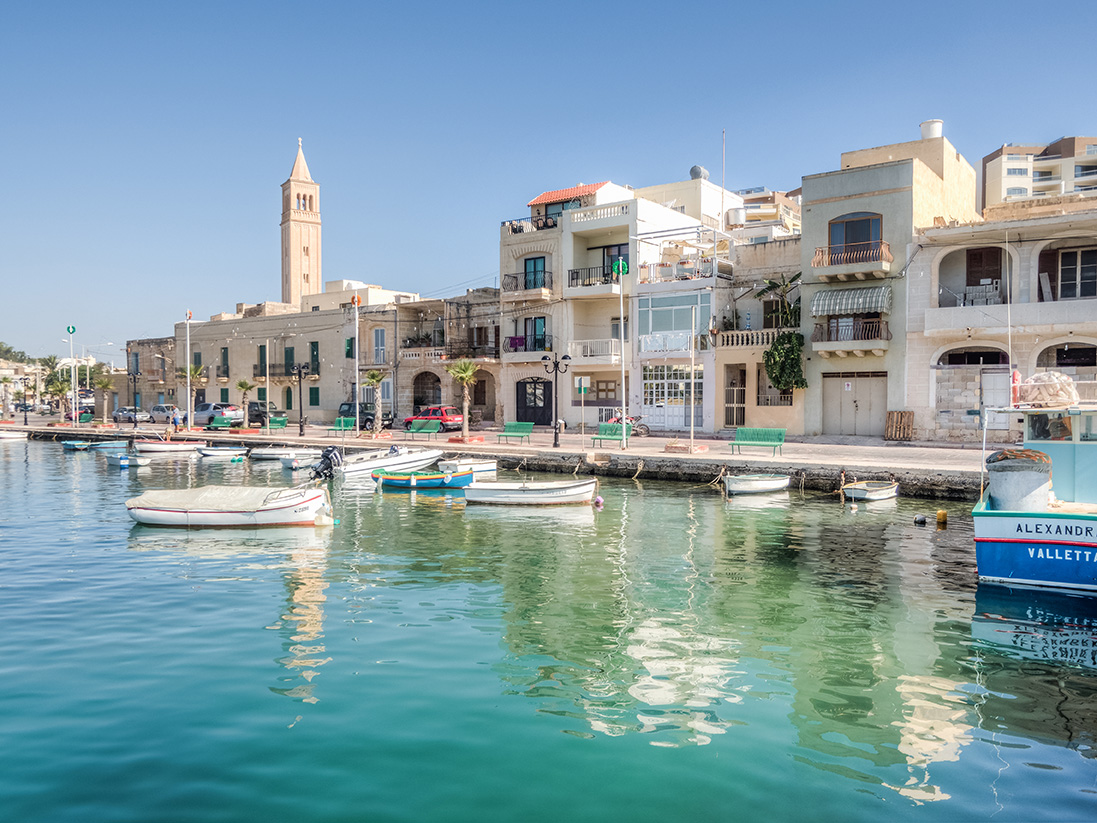
Marsascala offers a lifestyle built almost entirely around its bay. The town’s identity is inseparable from its long waterfront promenade, which wraps the entirety of Marsascala Bay and forms the true social and commercial heart of the town, lined with restaurants, cafes and bars. In the evenings, locals gather here to walk, eat, and simply watch the sea, a genuinely unhurried rhythm that residents describe as the town’s biggest draw.
Marsascala’s history runs deeper than its resort reputation suggests. Archaeological evidence points to Roman-era use of the harbour, and ancient cart ruts nearby hint at even earlier settlement, though the exposed, easily raided harbour meant the area stayed largely unpopulated until relatively recent times. Traditional salt pans still line parts of the coastline, a visible link to the town’s older way of life, while its transformation from a former Sicilian fishing village into today’s thriving residential and resort town reflects decades of steady growth.
Because of its waterfront setting, relaxed pace, and better value than Sliema or St Julian’s, Marsascala suits a wide range of buyers, from those seeking a permanent seaside home to those after a summer base close to the water. Property here ranges from traditional townhouses in the older streets to newer apartments closer to the promenade.
Feast Celebrations
Marsascala’s patron feast honours St Anne, and it takes place on the last Sunday of July. The parish church itself, built in 1953, anchors the celebrations, which bring the promenade and surrounding streets to life with processions, decorations and fireworks each summer, drawing crowds from across the southeast.
Restaurants and Dining
Marsascala’s dining scene is genuinely one of the best-regarded in the south, spread along the promenade and around St Thomas Bay. Zion Bar and Restaurant is a local favourite for a relaxed drink or a bite by the water, while numerous seafood restaurants line Triq ix-Xatt, the main promenade, serving fresh, locally caught fish with views across the bay. Down at St Thomas Bay itself, San Tomaso and the Fajtata kiosk offer more casual options for a coastal lunch. With such a long stretch of waterfront dining, Marsaskala genuinely rewards a wander before settling on a table.
Grocery Shops and Everyday Amenities
Marsascala covers everyday essentials well for a town its size, with St Thomas Supermarket serving as a genuine local hub in the town centre, alongside a number of smaller shops and chemists that have grown alongside the town’s expansion. So for day-to-day living, residents have most of what they need within walking distance.
Transport Links
Marsascala is connected to Valletta by direct buses, with routes 91, 92, and 93 departing from the Valletta Bus Terminal and taking between 40 and 55 minutes, depending on traffic. Route 91 runs via Żabbar and terminates near the parish church, while routes 92 and 93 continue further south towards St Thomas Bay, making them ideal for beachgoers. For drivers, taxis and ride-hailing services typically cover the same journey in around 25 to 30 minutes.
Special Designated Areas (SDA)
Marsascala does not currently have a Special Designated Area. So if you are a non-EU buyer who specifically needs SDA status, which removes the standard property permit requirement, you may want to look at areas such as Portomaso or Tigné Point instead. That said, Marsaskala remains fully open to EU buyers, and non-EU buyers can also purchase here through the standard Acquisition of Immovable Property (AIP) permit process. Either way, its waterfront setting and steady growth keep demand consistently strong.
Nearby Beaches
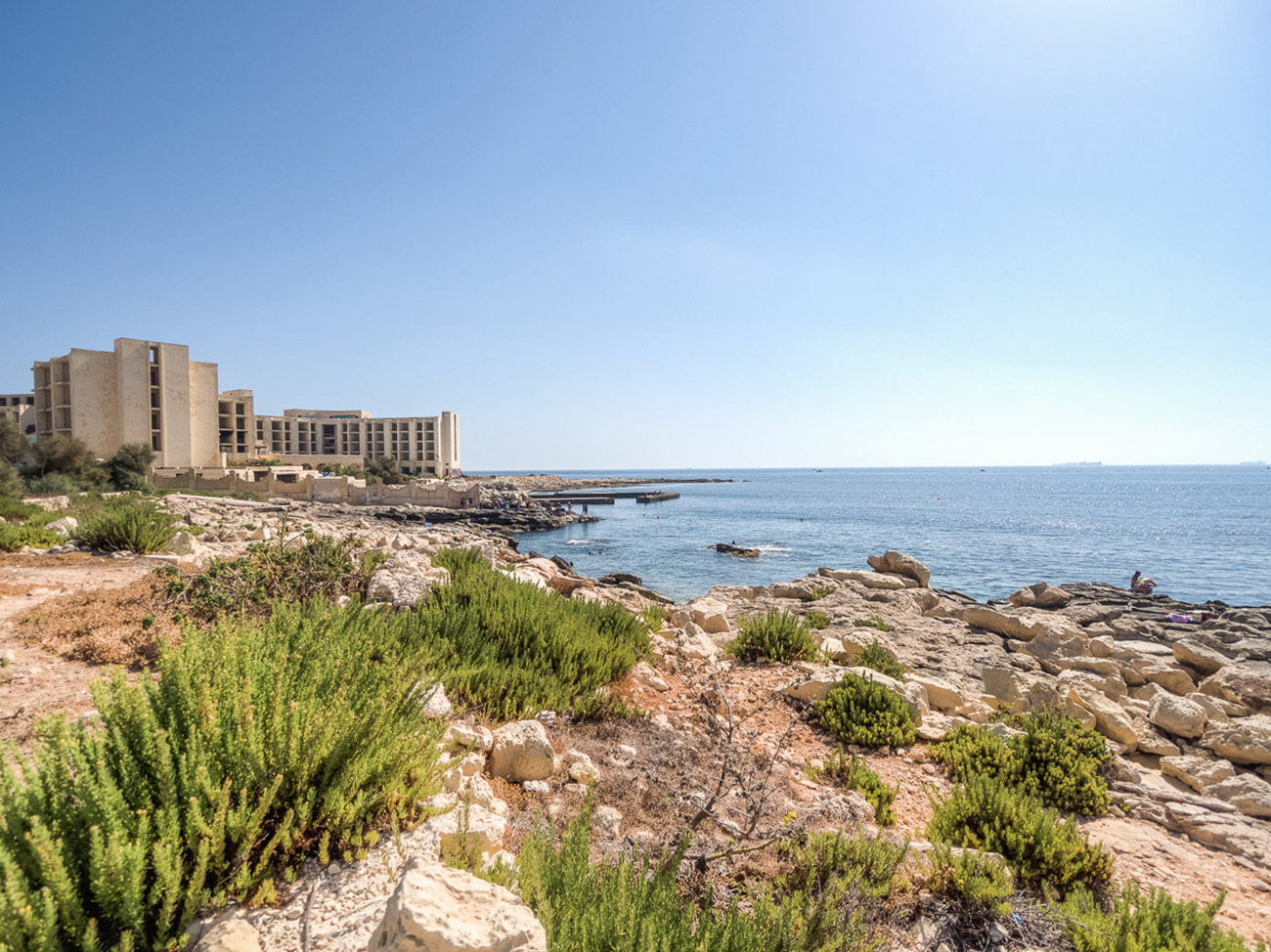
Marsascala is genuinely well-placed for the coast, with a mix of rocky coves and sandy stretches along its shoreline. St Thomas Bay, just a short walk or drive south of the town centre, is one of the largest natural sandy bays in southern Malta, offering calm, shallow waters that suit families well. Munxar Beach and the Żonqor Coastal Copse offer further nearby options, along with easy access to Marsaxlokk and St Peter’s Pool just along the coast. So for anyone who wants the sea genuinely close to home, Marsascala is hard to beat.
Nightlife in Marsascala
Marsascala boasts a lively and diverse nightlife scene that caters to a variety of tastes. The town’s waterfront promenade is a hub of activity, featuring a range of bars, cafes, and restaurants that come alive in the evenings. Whether you’re looking to enjoy a quiet drink with a view or dance the night away, Marsascala has something for everyone.
The local nightlife often includes live music performances, themed events, and cultural festivals that highlight Malta’s vibrant traditions. During the summer months, the town hosts several open-air events and parties, making it a popular destination for both locals and visitors seeking a lively night out.
Why Choose Marsascala
Marsascala offers something genuinely appealing on the island: real waterfront living, a relaxed local pace, and a level of authenticity increasingly hard to find in Malta’s busier resort towns. Because of this, it continues to attract buyers who want the sea on their doorstep without the tourist crowds of Sliema or St Julian’s. Whether you are drawn to the promenade, St Thomas Bay, or simply its unhurried rhythm, Marsascala offers a genuinely relaxed home on Malta’s southeast coast.
Properties For Sale in Marsascala
Properties For Rent in Marsascala
Localities
Discover other Maltese localities
Take a deep dive and browse the Maltese localities and local insights to see if the homes for sale/rent are right for you.