Dingli
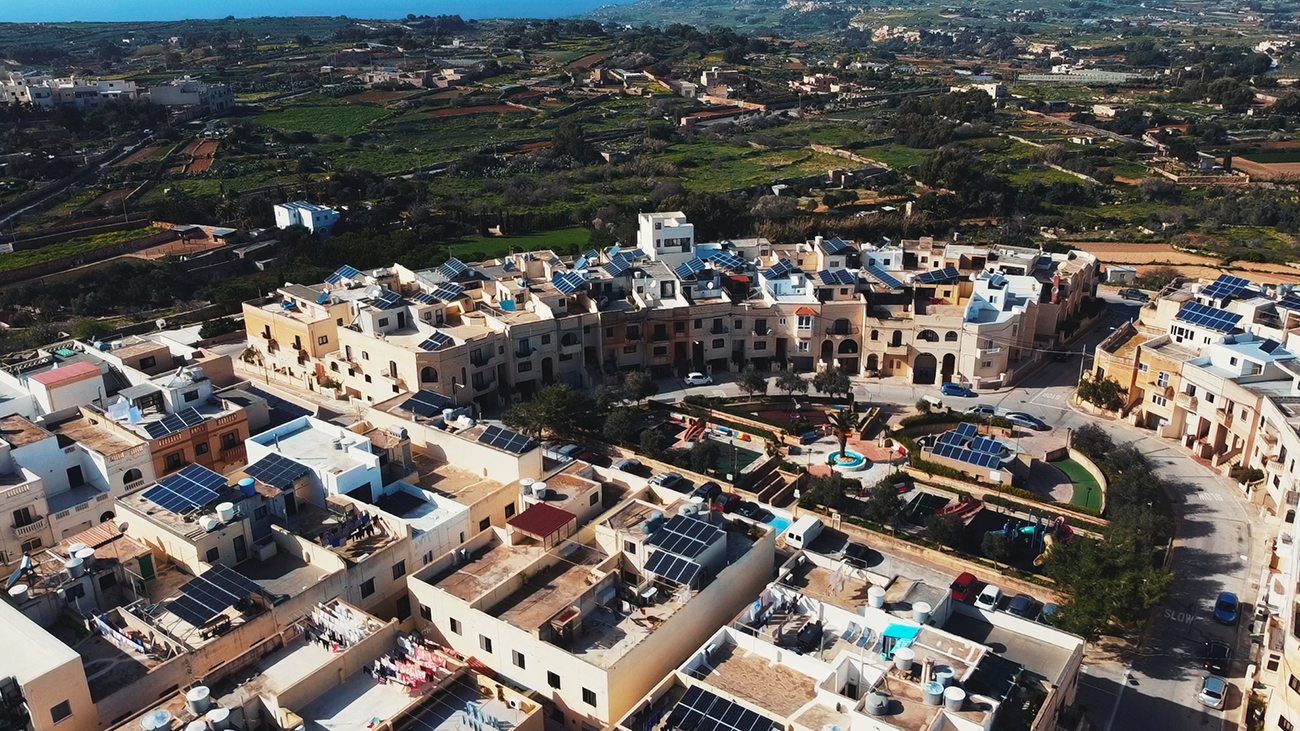
Dingli, a picturesque village on Malta’s western coast, is a small yet culturally rich locality known for its breathtaking views, serene environment, and unique historical charm. Perched atop the Dingli Cliffs, it offers some of the most stunning vistas on the island. Despite its tranquil atmosphere, Dingli has a fascinating blend of history and modern development, making it an attractive destination for visitors and residents alike.
History
Dingli has deep historical roots, with evidence of human habitation dating back to the Neolithic period. The village is situated near the ancient cart ruts, which are a major archaeological site in Malta. These mysterious parallel tracks carved into the rock are thought to be prehistoric, further adding to the village’s historical allure.
The origins of Dingli’s name are believed to derive from a 14th-century Maltese noble family, the De Dingli family, who held vast lands in the area. Over time, the village developed into an agricultural hub, with farmers cultivating crops and raising livestock. The natural landscape of Dingli, especially the Dingli Cliffs, has long been an attraction, not just for its beauty but also for its defensive advantage throughout Malta’s tumultuous history.
Where Dingli Sits on the Island
Dingli falls within the Western District, in Malta’s Western Region. Because of this, and its position on the island’s southwestern edge, most people describe it as part of the West. It sits around 230 metres above sea level, on the highest point in Malta, just two kilometres from Rabat.
Dingli borders Rabat and Siġġiewi. As a result, while the village itself stays small and quiet, Mdina, Rabat and the rest of central Malta remain just a short drive away.
Dingli sits higher than anywhere else in Malta, perched on a plateau above the island’s famous cliffs. It offers a rural, unhurried way of life, with sweeping sea views and open countryside on every side. So if you want space, quiet, and genuine natural beauty, Dingli is well worth a look. Your next chapter starts here.
Schools in the Area
Dingli is home to St Nicholas College Dingli Primary, a state primary school serving the local community directly. Because the village sits so close to Rabat, families also have easy access to further school options just a short drive away. So while Dingli itself remains small, schooling remains manageable and close by.
Lifestyle in Dingli
Dingli offers something genuinely rare on the island: real rural quiet, paired with dramatic natural scenery. The village motto, Non Segnis Quies Ruris, translates as “rural quiet is not indolence,” and it captures the spirit of the place well. Historically, residents here made their living from the land rather than the sea, since the cliffs’ height made the coast difficult to reach.
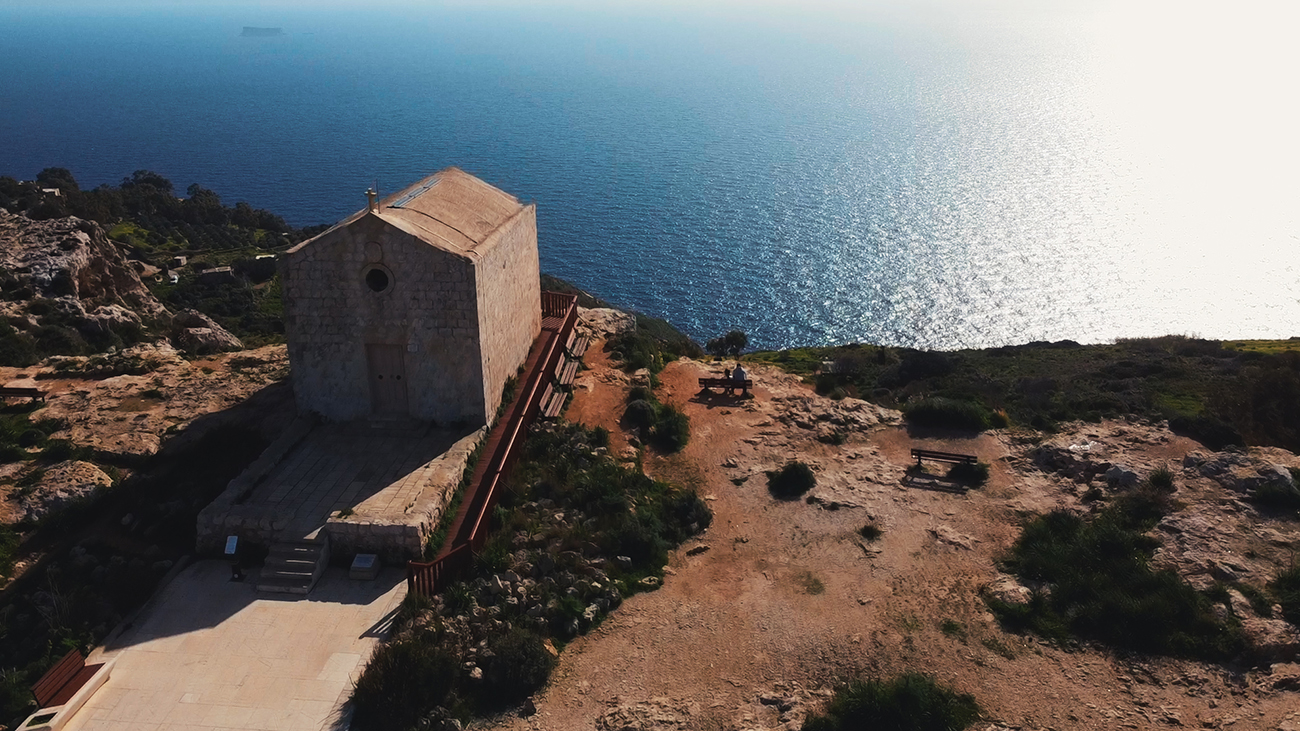
The Dingli Cliffs themselves are the village’s defining feature, rising to around 250 metres and offering some of the best sea views on the island, including a view of the small, uninhabited isle of Filfla. Nearby, Buskett Gardens and Verdala Palace, the official residence of the President of Malta, add to the green space and history within easy walking distance.
Because of its height, its quiet, and its space, Dingli tends to draw buyers who want a genuine countryside lifestyle. Property here leans towards farmhouses, converted rural homes and low-density housing, rather than the apartment blocks found in busier parts of the island.
Feast Celebrations
Dingli’s patron feast honours the Assumption of Our Lady, and it takes place on the first Sunday after 15 August. The parish church itself, built in 1605 on one of the island’s highest points, can be seen from several kilometres away, and it has stood at the centre of village life for centuries.
Dingli also holds a smaller commemoration on 22 July, with a Mass said in honour of a saint at a restored chapel near the cliffs. So even in a village this small, the calendar still carries real local tradition
Restaurants and Dining
Dingli’s dining scene reflects its rural setting well. Dar il-Bniet, based in a converted farmhouse, serves traditional Maltese dishes made from home-grown and locally sourced produce, offering a genuine taste of the area. Beyond that, the village stays quiet and residential, so residents typically head into nearby Rabat for a wider choice of cafes and restaurants, including the well-known pastizzi at Is-Serkin.
Grocery Shops and Everyday Amenities
Dingli covers the basics through a handful of small, local shops in the village core. For a fuller weekly shop, residents typically head the short distance into Rabat, which offers a wider range of supermarkets, pharmacies and everyday services. So while Dingli itself stays deliberately low-key, nothing essential is ever far away.
.
Transport Links
Dingli connects to the rest of the island by bus, with routes 52 and 56 running between the village and Rabat, and on towards Valletta. Route 201 also links Dingli to Rabat and the cliffs themselves, making it easy to reach Buskett Gardens and the surrounding countryside without a car. For drivers, the village’s position keeps journeys to Rabat, Mdina and the centre of the island short, even if Dingli itself feels wonderfully removed from it all.
Special Designated Areas (SDA)
Dingli does not currently have a Special Designated Area. So if you are a non-EU buyer who specifically needs SDA status, which removes the standard property permit requirement, you may want to look at areas such as Portomaso or Tigné Point instead. That said, Dingli remains fully open to EU buyers, and non-EU buyers can also purchase here through the standard Acquisition of Immovable Property (AIP) permit process. Either way, its rural character and space continue to appeal to buyers seeking something different from Malta’s busier towns.
Nearby Beaches
Dingli sits high on the cliffs, so it has no beach of its own. Even so, the coast stays within easy reach. Għar Lapsi, a popular rocky swimming spot near Siġġiewi, is just a short drive away, as is the Blue Grotto further along the coast towards Żurrieq. For sandier options, Golden Bay and the northwest coast are also reachable within a comfortable drive. So while Dingli trades sand for cliffs, the sea is never truly out of reach.
Nightlife in Dingli
Historically, nightlife in Dingli has been low-key, especially compared to bustling areas like St. Julian’s or Valletta. In the past, Dingli’s social life revolved around traditional village gatherings, religious feasts, and local events that would bring the community together. The Dingli Festa, celebrating St. Mary, remains a major annual event, where villagers and visitors alike enjoy fireworks, music, and processions.
In recent years, Dingli has seen a subtle transformation in its nightlife offerings. Although it remains a quiet and peaceful village, there has been growth in local eateries, wine bars, and cafés, providing intimate settings for relaxation. These establishments, often family-run, offer local delicacies and a welcoming atmosphere. Visitors looking for a night out can expect a laid-back experience, often centred around good food, wine, and casual conversation.
Why Choose Dingli
Dingli offers something genuinely different on the island: real countryside living, framed by some of Malta’s most dramatic natural scenery. Because of this, it continues to attract buyers who want space, quiet and a slower pace, without giving up easy access to Rabat and the centre of the island. Whether you are drawn to the cliffs, the gardens, or simply the village’s rural charm, Dingli offers a genuinely peaceful home at the highest point in Malta.
BUY
Properties For Sale in Dingli
RENT
Properties For Rent in Dingli
Localities
Discover other Maltese localities
Take a deep dive and browse the Maltese localities and local insights to see if the homes for sale/rent are right for you.